Chronicle Editor
Mashudu Netsianda, Senior Reporter
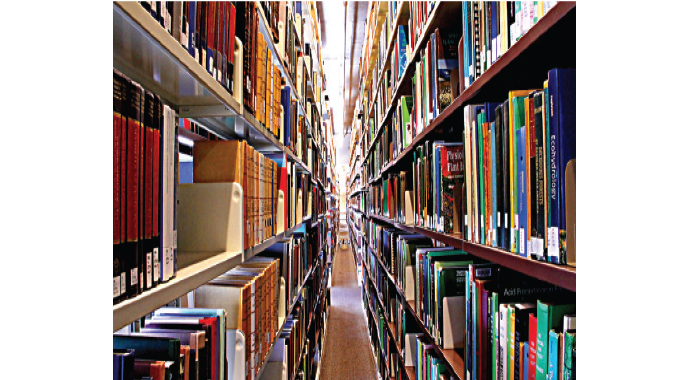
THE National Peace and Reconciliation Commission (NPRC), working in conjunction with academic institutions and civil society organisations (CSOs), is set to establish a peace resource centre.
This would serve as a platform for knowledge sharing to be utilised as a research centre by researchers, academics and its staff.
The Commission, through the resource centre, seeks to contribute to peace through the knowledge collected and preserved thereby promoting understanding of peace.
In its January-December 2021 annual report, NPRC said the resource centre will make a lasting impression on the preconditions for peace, national healing, and reconciliation.
“The NPRC, working together with academic institutions, CSOs and peace practitioners is currently in the process of developing a peace library,” reads part of the report.
“Peace libraries have an important role to play in national healing, peace and reconciliation processes in divided societies.
“By giving access to knowledge, the library can encourage better understanding between people of different origins and different opinions. Through giving access to learning, the resource centre can build the capacity of communities, and thus it can be a positive force for equality of opportunity, personal development, economic advancement, and social transformation.”
According to the report, the proposed facility will also serve as a reservoir of knowledge to ensure that barriers to the free flow of information are removed, especially those that promote structural violence.
“NPRC notes that there can never be genuine tolerance and peaceful co-existence of social justice, equality and social cohesion among citizens without the free flow of information and ideas,” said the Commission.
“The library will be a platform for knowledge sharing, which can be utilised as a research centre by researchers, academics, and NPRC staff.”
NPRC said its commitment to intellectual freedom and unfettered access to knowledge and balanced information based on the principle of integrity, inclusivity and mutuality through the peace library will make a lasting impression on the preconditions for peace, national healing, and reconciliation.
“The NPRC has begun to create a physical and online library that will serve as a resource centre for reading material in general and its work in particular,” it said. “Having access to the right information has the capacity of liberating people from the shackles of ignorance and misinformation.”
The Commission said knowledge generation and dissemination; being key in peace building processes, will help to prevent, manage, resolve conflicts and contribute to national healing and reconciliation in Zimbabwe.
“Access to peace building information is expected to go a long way in bridging the communication between the Government and its citizens, thus, reducing agitations, protests, and restiveness,” it said.
“This is ongoing work on the part of the Commission, which regularly interfaces with various organisations such as individuals, media and academic institutions.
“The Commission does so in an effort to communicate its activities and findings and also embrace new findings on peace-building issues locally and regionally. Through these efforts, the NPRC interacted with individuals, including Professor Shoko from University of Zimbabwe on indigenous knowledge systems.” — @mashnets



 Online Reporter