A workplace injury or occupational disease should not mark the end of a person’s productive life. With appropriate clinical rehabilitation, social support and opportunities to learn new skills, injured workers can rebuild confidence, regain independence and participate meaningfully in their families, communities and the economy.
The National Social Security Authority(NSSA)’s Workers Compensation Rehabilitation Centre (WCRC) is an institution that provides rehabilitation services to insured Zimbabwean workers affected by work-related injuries and diseases. Located in Bulawayo next to Mpilo Central Hospital and established in 1971, WCRC is the Authority’s only specialized institution of its kind that serves as a national referral facility.
It has a daily holding capacity of up to 200 clients across its departments, 80 of whom can be inpatients.
Clinical and social rehabilitation: supporting the whole person
Through clinical rehabilitation, WCRC helps beneficiaries restore and maximize their functional abilities. Physiotherapy uses exercise, manual techniques, a specialized gymnasium, electrotherapy and hydrotherapy facilities to improve movement, strength and mobility, relieve pain to support recovery.
Occupational Therapy on the other hand, helps beneficiaries regain independence in everyday activities, use adaptive techniques and equipment, and prepare for a safe return to work, sometimes after workplace assessments.
The Industrial Clinic at the WCRC provides medical assessments and treatment, while the
Paraplegic Unit offers specialised wound care and trains people with spinal cord and other severe disabilities in self-care and coping with activities of daily living. The training often include bladder and bowel management for clients with paraplegia and quadriplegia.
Social rehabilitation complements clinical care by addressing the emotional, family and community challenges that can follow an injury.
Through Social Work services, beneficiaries receive psychosocial support, counselling, community resettlement assistance and support with return-to-work programs.
NSSA’s Project Dzimba/Izindlu assists workers who develop severe disabilities and settle back into their communities by providing accessible rural housing or home adjustments, helping create safer living environments and greater independence.
Vocational training: turning ability into opportunity
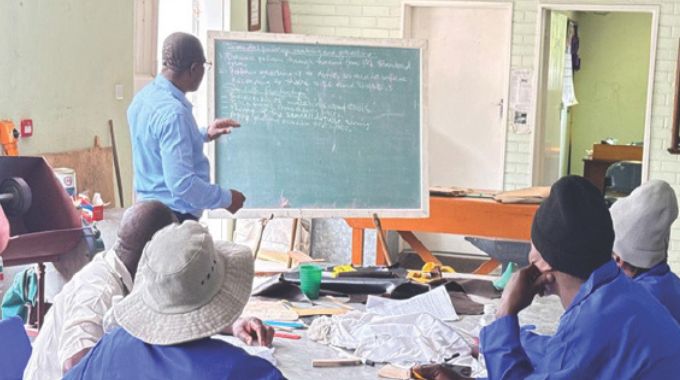
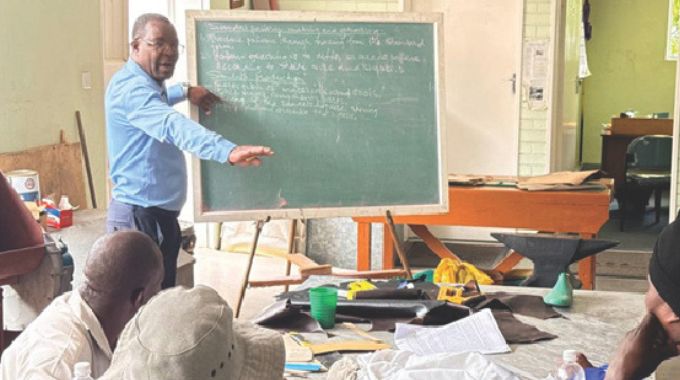
A key part of WCRC’s work is equipping beneficiaries with practical skills that can open a new path to employment or self-employment.
The vocational training programme prepares injured workers to return to their former work where possible, seek alternative employment in the open labour market, or establish small businesses and income-generating projects to supplement their pensions.
Courses offered at the Centre include tailoring, leatherwork, metal fabrication, carpentry, gardening, poultry production, aluminium fabrication, detergent making and beverage production.
Through hands-on instruction, beneficiaries learn use tools and equipment to make products, apply safe working methods and develop the practical competencies needed to turn training into a livelihood. The programme also nurtures confidence, creativity, and problem-solving techniques while fostering self-reliance. Training is considered considering each beneficiary’s abilities and physical limitations, so that tasks and methods can be adapted to support meaningful participation.
A SUCCESS STORY: MR MOSES CHITOMBO
From vocational rehabilitation to an award-winning enterprise
The impact of vocational training is demonstrated in the journey of Mr Moses Chitombo who is wheelchair bound following a spinal cord injury. He went through the NSSA WCRC vocational training leather work, in 2013 and his experience demonstrates how rehabilitation can create a pathway to entrepreneurship. The training helped him acquire practical skills which provided a foundation from which to rebuild his life, pursue economic independence and develop an enterprise.
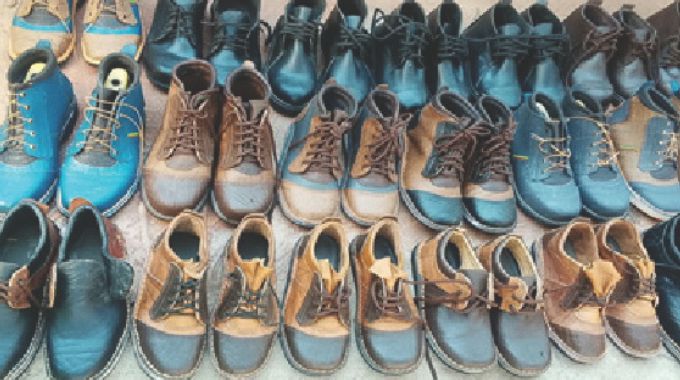
Mr Chitombo went on to establish Stone Works and Leather Craft, a business specialising in the manufacture of shoes, bags, belts and hats. His products demonstrate how practical training can be translated into marketable goods and viable business activity.