Online Reporter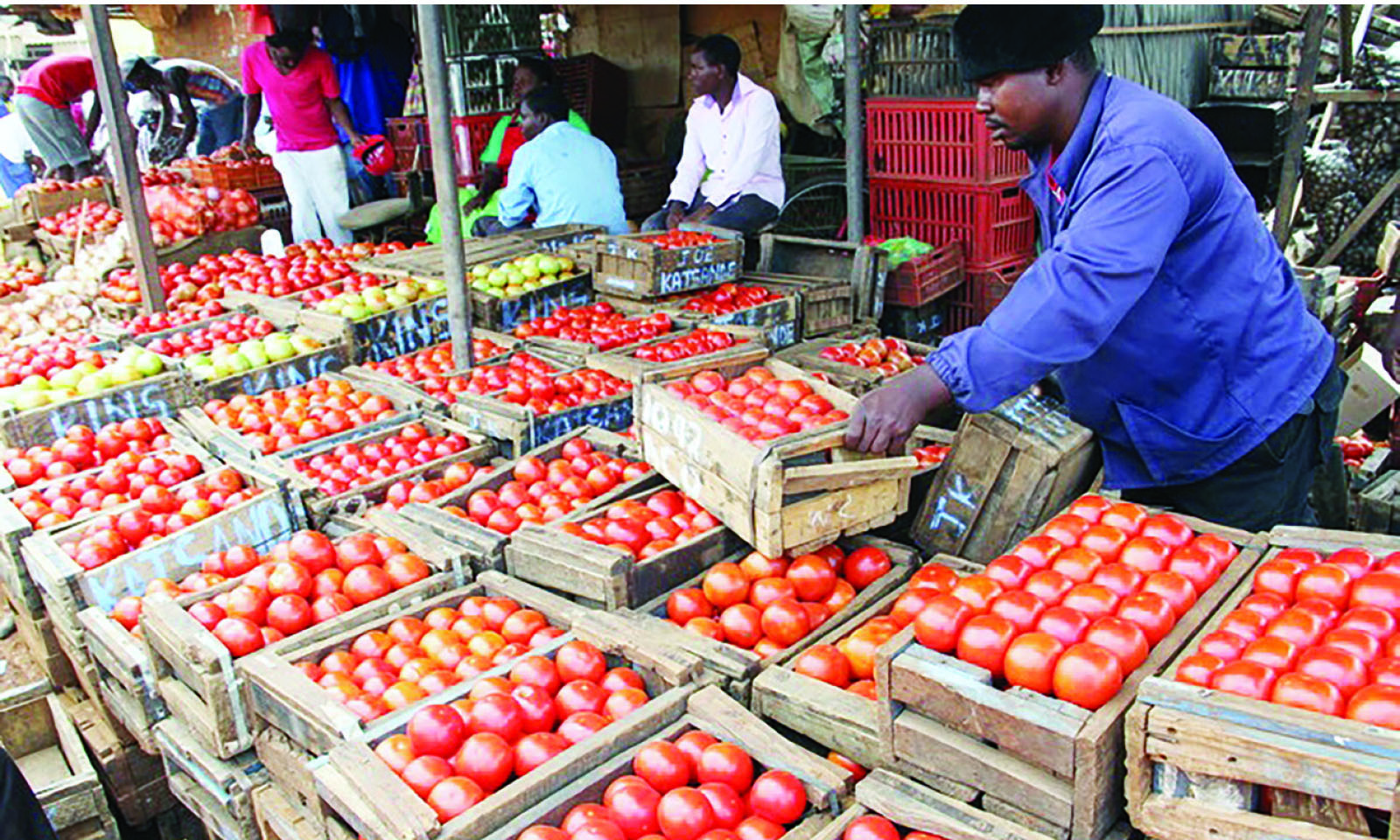
Obert Chifamba
Agri-Insight
IN a recent analysis on the performance of most mass fresh produce markets across the country, prominent market expert and Knowledge Transfer Africa (KTA) chief executive officer, Dr Charles Dhewa made a very important observation that most farmers do not seem to consider in their crop production calendars.
The issue of producing crops en masse leading to the subsequent flooding of markets with produce at the same time. This happens when farmers produce the same commodities in big volumes before hitting the markets and triggering fierce competition for both customers and viable prices.
According the Dr Dhewa, this is the situation currently afflicting most of our fresh produce markets and is not only driving prices down, but also threatening the livelihoods of those who depend on single crops for their income. As the market becomes flooded with identical products, the risks of waste, competition, and environmental degradation also escalate.
This analysis will explore the disadvantages of simultaneous commodity production and attempt to proffer strategic insights for farmers seeking to diversify their operations, stabilise their incomes and contribute to a more sustainable agricultural ecosystem. It will examine innovative practices and the environment under which many of the smallholder farmers who participate actively in the mass markets are failing to generate meaningful revenue.
The current glut of agricultural produce at mass markets has left farmers unable to set their own prices, relegating them to mere price-takers incapable of dictating terms in sync with a vibrant economic landscape.
As a result, individual farmers literally have very little control over pricing and are forced to accept whatever rates the market dictates.
Under this scenario, the farmers can just but watch their livelihoods galloping away. They cannot identify the riders, yet they would have unknowingly played the protagonist’s role in creating the situation.
The competition to control proceedings at the markets is intensifying by the day, as more players enter the fray after realising that agriculture is one of the low-hanging fruits they can bank on to eke out a living.
At the moment, most of the farmers are grappling with the challenge of establishing sustainable incomes, as they contend with the fluctuating prices influenced by external factors such as seasonality and consumer demand. This situation calls for innovative solutions to empower them and ensure they can secure fair compensation for their hard work, Dr Dhewa further explained.
The fact that most of the smallholder farmers who cannot compete in high-end markets end up finding their way to the mass markets with commodities such as fruits, vegetables and grains, which they can afford to produce has always been a sure recipe for an oversupply of most commodities.
Besides leading to a significant decrease in prices, which can reduce farmers’ incomes, market saturation naturally makes it difficult, if not almost impossible, for farmers to sell their produce. It also gives birth to intense competition, which affects profitability.
There will be a lot of produce that will remain unsold and the sad reality is that most of the fresh produce is perishable and quickly goes bad given that most of the markets do not have cold storage facilities.
Once such produce loses quality, farmers have no option, but sell it for a song or throw it away in extreme cases after it becomes unusable. This translates into huge financial losses that could have been easily avoided if farmers had made informed decisions on the time of producing their crops and the subsequent time of going to the market.
On the one hand, the situation prevailing at the markets now should school farmers into realising that relying on a single commodity can also make them vulnerable to market fluctuations and changes in consumer preferences. This simply means that farmers should have several crop options to ensure they spread risk should one product fail or perform badly on the market.
The other danger associated with large-scale production of one crop on the same piece of land every season is that there can be problems of soil depletion, increased pesticide use, and reduced biodiversity. This kind of situation is not healthy for both the land and the farmer who depends on agriculture for an income.
It can also help the situation if farmers adopt staggered planting schedules that can equally help spread the harvest, reducing the risk of flooding the market at one time. They can also kill competition among themselves by forming cooperatives that will allow them to collectively market their products, helping to stabilise prices through coordinated production.
The other important thing is for farmers to do market research and stay informed about market trends, which will help them to decide what and when to plant, aligning production with consumer demand. Where the above suggestions are not possible, farmers can easily dodge the bane of market saturation-inspired losses by processing their crops into value-added products, for instance, into jams, sauces and dried vegetables to create new revenue streams.
Farmers must not just try to think outside the proverbial ‘box’ but must remove it completely and look around them for solutions to mitigate the risks associated with producing the same commodity and flooding the market. In this day and age when there are many contractors looking for producers to work with, why not take the contract or futures route? This will naturally help lock in prices and provide a guaranteed market for their products.
There may also be need for policy interventions in developing pricing models that take into account production costs and other crucial production factors to save the farmers from operating in the red every season. Such interventions can assist by regulating pricing models and ensuring other critical factors such as the business environment and production costs are more user-friendly than they currently are.
It is also necessary for regular conversations around the pricing models to ensure they remain in sync with the ever-changing dynamics of doing business in agriculture. This may require the collaborative effort of the relevant Ministries of Lands, Agriculture, Fisheries, Water and Rural Development, Finance and Investment Promotion and Local Government to keep this farmer category relevant to the food security and national economic development goals of the country.
If there are no such policy interventions, especially on the issue of prices, farmers will continue losing out on viable prices and farming will cease to be a profitable business after all.
It will not take rocket science for anyone to appreciate that prices are the bottom line for agricultural profitability, hence the need for urgent action to come up with a permanent solution on the matter, as my good old friend, Dr Dhewa puts it.