Online Reporter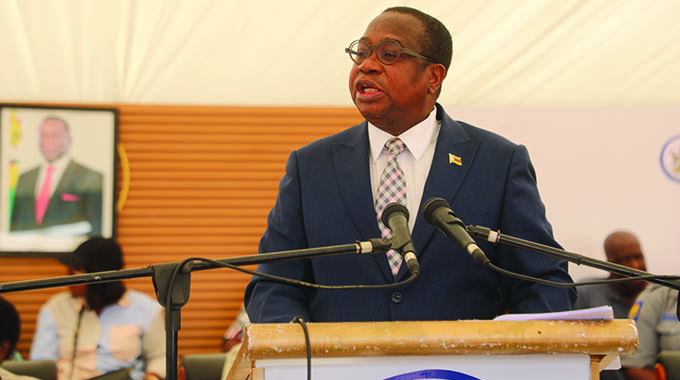
Lovemore Kadzura-Mutare Bureau
NATIONAL Development Strategy 1, which comes to an end this year, was a resounding success that set the country on course to achieving Vision 2030 to become an upper-middle income economy Finance, Economic Development and Investment Promotion Minister Professor Mthuli Ncube has said.
Addressing virtually the ministry’s 2026-2030 strategic planning workshop in Mutare Professor Ncube said all the 14 thematic areas of focus under NDS1 delivered notable improvements in areas such as public investment, infrastructure development, export growth and work is in progress to stabilise the exchange rate and respond to climate shocks.
He said limited competitiveness and governance gaps in some public entities were being addressed.
“Over the past five years under the stewardship of President Mnangagwa Zimbabwe has made significant strides in implementing NDS1 the first of our National Development Strategies anchored on Vision 2030. Our macro-economic fundamentals have shown resilience with GDP growth averaging above five percent between 2021 and 2024 amid moderate inflationary pressures and fiscal consolidation efforts that yielded improved expenditure discipline. Infrastructure development accelerated the agricultural sector recorded bumper harvests and mining investment reached record levels.
“Policy coherence in fiscal planning and alignment with Vision 2030 created measurable improvements in macro-framework stability and planning discipline. A structured monitoring and evaluation system and comprehensive Mid-Term Review provided critical course corrections and evidence to guide policy decisions.
“Progress under NDS1 14 thematic areas delivered improvements in public investment planning priority infrastructure projects and a stronger policy consensus around investment promotion and export growth. However we are diligently working to ensure exchange rate stability and manage climate shocks address limited industrial competitiveness and governance inefficiencies in some public enterprises.
“Planning is crucial for the prioritisation successful coordination and timely execution of flagship projects and public service delivery against a backdrop of off-balance sheet contingent liabilities and constrained fiscal space for capital projects despite improved budget strategy alignment.
“Private sector confidence has slowed down investment hampering service delivery at a time when Government is emphasising Public-Private Partnerships as it embarks on economy wide policy reforms” said Professor Ncube.
Turning to the impending NDS2 Professor Ncube revealed that the economic reform agenda will be deepened and accelerated from the current stabilisation to structural development which will be anchored on stability and fiscal consolidation, industrialisation and value addition and pushing institutional effectiveness and good governance.
“As we prepare for NDS2 (2026-2030) our focus must shift from stabilisation to structural transformation. NDS2 must deepen the reform agenda and drive inclusive under the following strategic imperatives strengthen domestic resource mobilisation enhance expenditure enhance expenditure efficiency and broaden the tax base to support inclusive development.
“Promote innovation technology adoption and local value chains to enhance productivity and exports. Modernise public enterprises digitalise public finance management and entrench accountability. Focus on 10 national priorities that deliver food security infrastructure industrialisation human capital and investment facilitation as central pillars.
“Ensure the 2026 Budget amplifies public investments that catalyse private sector activity and crowd in finance for infrastructure and value chains.
“Rebalancing budgets toward a catalytic capital expenditure with clear value for money frameworks and strengthen procurement oversight.
“These priorities align with Vision 2030 and the African Union’s Agenda 2063 framework emphasising transformation through innovation integration and sustainable governance” said Professor Ncube.
The strategic workshop was attended by Deputy Minister Honourable Kudakwashe David Mnangagwa Permanent Secretary Mr George Guvamatanga and heads of parastatals under the ministry among other delegates.