

 Online Reporter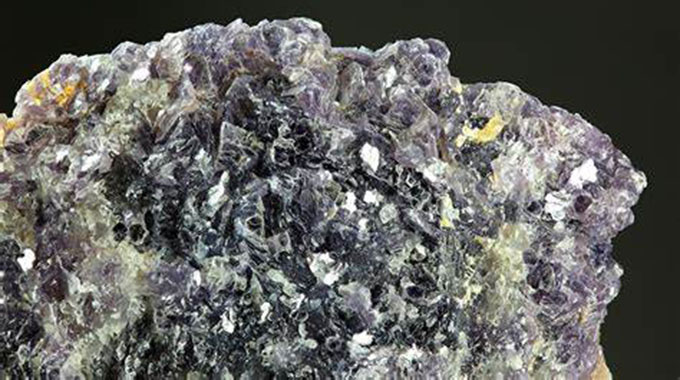
Nelson Gahadza
Senior Business Reporter
The Government will prioritise the beneficiation of lithium during the National Development Strategy 2 (NDS2) implementation period, 2026 to 2030, building on gains achieved under NDS1 (2021-2025).
During the ND1 period, the country transitioned from exporting raw lithium ore to exporting lithium concentrate.
Zimbabwe, which has the largest lithium reserves in Africa and the fifth-largest deposits globally, is positioning the mineral as a commodity that will drive the mining sector’s contribution to the economy and the green-energy-driven industrialisation agenda.
The country also has the highest number of lithium projects under exploration and development on the continent, underscoring its growing strategic importance in global battery mineral supply chains.
Finance, Economic Development and Investment Promotion Minister Professor Mthuli Ncube, in the NDS2 document, said during NDS1, lithium emerged as a strategic growth sub-sector, with policy interventions restricting the export of raw lithium ore, anchoring significant investment into beneficiation.
“Under NDS2, the Government intends to move the lithium value chain further upwards, prioritising the beneficiation of lithium concentrates into lithium salts. Already, lithium players have made progress towards investing in facilities that will convert lithium ore into lithium salts by 2027.
In this regard, the Government will phase out the export of lithium concentrates by January 2027 and support the production and export of lithium salts to strengthen the domestic lithium value chain,” he said.
He noted that NDS2 will prioritise transition from the production of lithium sulphate to lithium carbonate and lithium hydroxide production, which are critical inputs in battery manufacturing.



