Online Reporter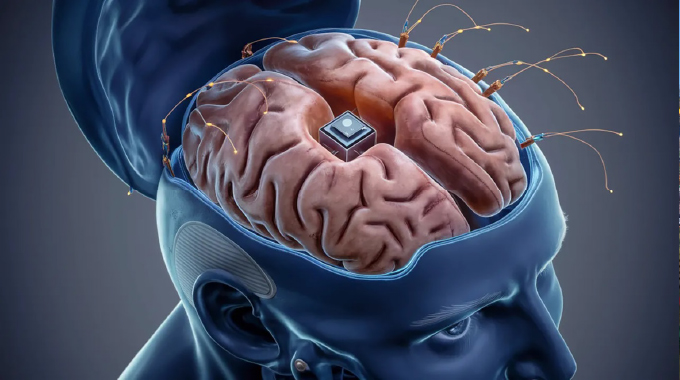
Jacqueline Ntaka, [email protected]
NEURALINK, the brain-computer interface company founded by entrepreneur Elon Musk, continues to attract global attention as it pushes the boundaries of medical technology. Videos showing people with severe paralysis using computers and communicating through thought alone have captivated millions, offering a glimpse into what many believe could be the future of healthcare and human-computer interaction.
Yet behind the excitement lies an important reality that researchers, regulators and the company itself are keen to emphasise. Neuralink’s devices remain investigational and have not been approved by the United States Food and Drug Administration (FDA) or other regulatory authorities for general use. The technology is still being tested through clinical trials involving volunteer participants.
Recent videos released by Neuralink feature trial participants sharing their personal experiences after receiving the implant. Some participants have described being able to control a computer cursor using their thoughts, browse the internet and carry out tasks that were previously impossible because of paralysis. These stories have generated hope among people living with serious neurological conditions and their families.
However, experts caution that such experiences represent individual cases rather than guaranteed outcomes. Neuralink’s own disclaimer makes this clear, noting that participant experiences may not reflect those of all trial volunteers or predict future results. Clinical trials are designed specifically to test the safety, effectiveness and limitations of new technologies before they are made widely available.
The distinction is important. Medical innovations often produce encouraging early results, but broader testing can reveal challenges that are not immediately apparent. Different participants may respond differently to the same treatment or device, while long-term effects may only become clear after years of observation. This is why regulatory approval processes are typically rigorous and can take considerable time.
For people living with paralysis and other neurological disorders, the potential benefits of brain-computer interfaces are significant. The technology aims to create a direct connection between the brain and external devices, helping users regain a degree of independence and communication. If successful, future applications could extend beyond computer control to areas such as speech restoration, mobility assistance and other forms of rehabilitation.
At the same time, researchers stress that expectations should remain realistic. While the images and videos emerging from clinical trials are undoubtedly impressive, they represent only one stage of a lengthy scientific process. The ultimate success of the technology will depend on continued research, regulatory scrutiny and evidence gathered from a larger number of participants.
For now, Neuralink remains one of the most closely watched projects in modern medicine. Its trials provide hope for future breakthroughs, but they also serve as a reminder that scientific progress requires patience. The stories being shared today offer a glimpse of what may be possible tomorrow, yet they should be viewed as personal experiences from an ongoing experiment rather than proof of a finished product.
Jacqueline Ntaka is the CEO of Mviyo Technologies, a local tech company that provides custom software development, mobile applications and data analytics solutions. She can be contacted on [email protected]