Online Reporter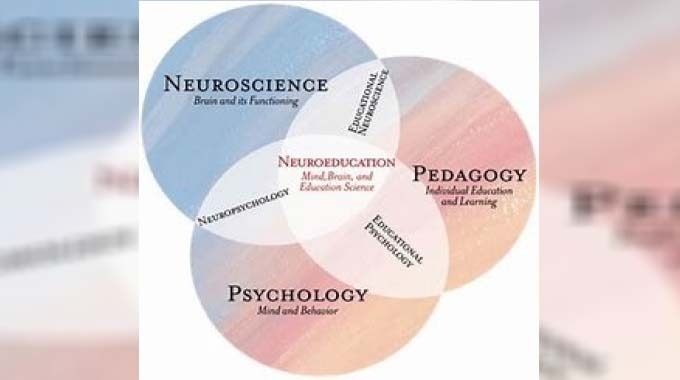
Simbarashe Murima, [email protected]
Neuroeducation is an example of education that strives to enhance neurological development and cognitive skills in teaching and learning.
Integrating neuroscience and education equips educators and learners at all educational levels with brain-compatible teaching and learning techniques.
So, to convey sense to this article, I will define neuroscience as the study of the nervous system, with a particular emphasis on the brain, that helps us comprehend the mental processes that go into learning. In contrast, education enhances learning.
Therefore, neuroeducation is an expansive discipline that explores how the brain works in learning environments and uses neuroscience to improve methods for teaching and learning.
However, to help educators fully understand how the human brain develops functionally, it is essential to combine neuroscience and education in contemporary edification.
Although educators do not have to become “neurologists” and change their teaching professions, they can benefit from having a rudimentary understanding of how the brain works to promote both surface learning and deep learning.
Neuroeducation, on the other hand, encourages better teaching strategies and more efficient learning approaches and ultimately intensifies students’ acquisition of knowledge and skills.
Hence, educationalists can design more meaningful, effective, and stimulating learning experiences for students at all educational stages by co-ordinating the brain’s natural processes with appropriate instructional approaches.
Withal, I briefly explain fundamental concepts about how the brain influences behaviour, cognitive processes and human reasoning.
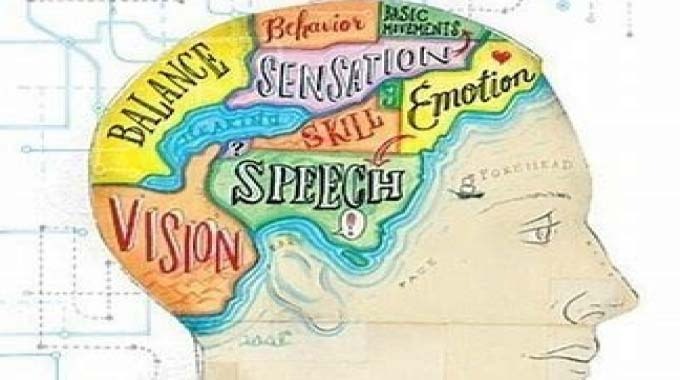
The Greeks and Egyptians discovered distinct brain regions central to intelligence, thoughts and memory.
The brain’s three primary regions are the cerebrum, cerebellum and brainstem; other regions are crucial to learning, such as the hippocampus and amygdala, which are involved in the formation and processing of short to long-term memory.
Importantly, neuroeducation demonstrates how cognitive performance and physical and mental health are intricately constructed.
Consequently, rewiring, strengthening and forming connections between nerve cells are all parts of learning in the brain.
For example, the cerebrum, the brain’s main component, which contains the cerebral cortex that controls higher intellectual functions, is divided into the left and right hemispheres.
The neocortex, also known as the neopallium or isocortex, is a layer of neural tissues that constitutes the cerebrum and is essential for perceptual awareness, language, declarative and episodic memory, attention and cognitive processes.
Interestingly, psychologists have focused on understanding how behavioural changes occur in the brain.
Neuroscientists place a strong emphasis on plasticity, which refers to the brain’s capacity to alter its connections during a person’s life.
According to research, brain plasticity, or neuroplasticity, refers to how a person’s brain evolves in response to different learning experiences.
Intriguingly, neuroeducation is a reconstructive force in the educational fraternity that empowers educators to devise pedagogical techniques that sharply harmonise the intricacies of the human brain.
Furthermore, as educational professionals get a more thorough understanding of the brain, neuroeducation ensures that they will be better able to support students’ learning.
Besides, neuroeducation can foster stronger critical thinking skills, promote student engagement and enhance knowledge retention if properly understood and applied.
Through neuroeducation, we can gain a greater understanding of how the brain functions in educational settings.
Additionally, neuroeducation may help us understand how our brain processes knowledge, how it retains it, and even how emotions can influence learning in either a positive or negative manner.
Moreover, neuroeducation can create inclusive, equitable learning environments that celebrate cognitive distinctiveness like metacognition.
This is crucial for promoting lifelong curiosity and growth outside the classroom. Mnemonic experiences that are linked to personal experiences can achieve this.
Neuroeducation offers tools for a lifetime pursuit of knowledge and skills based on individual needs, unique characteristics, and environment, as well as an understanding of neuronal dynamics in teaching and learning.
Simbarashe Murima (PhDc) writes in his capacity as an education, tourism and hospitality expert in Zimbabwe, Namibia and South Africa. Feedback: [email protected] or 0781480742.