Online Reporter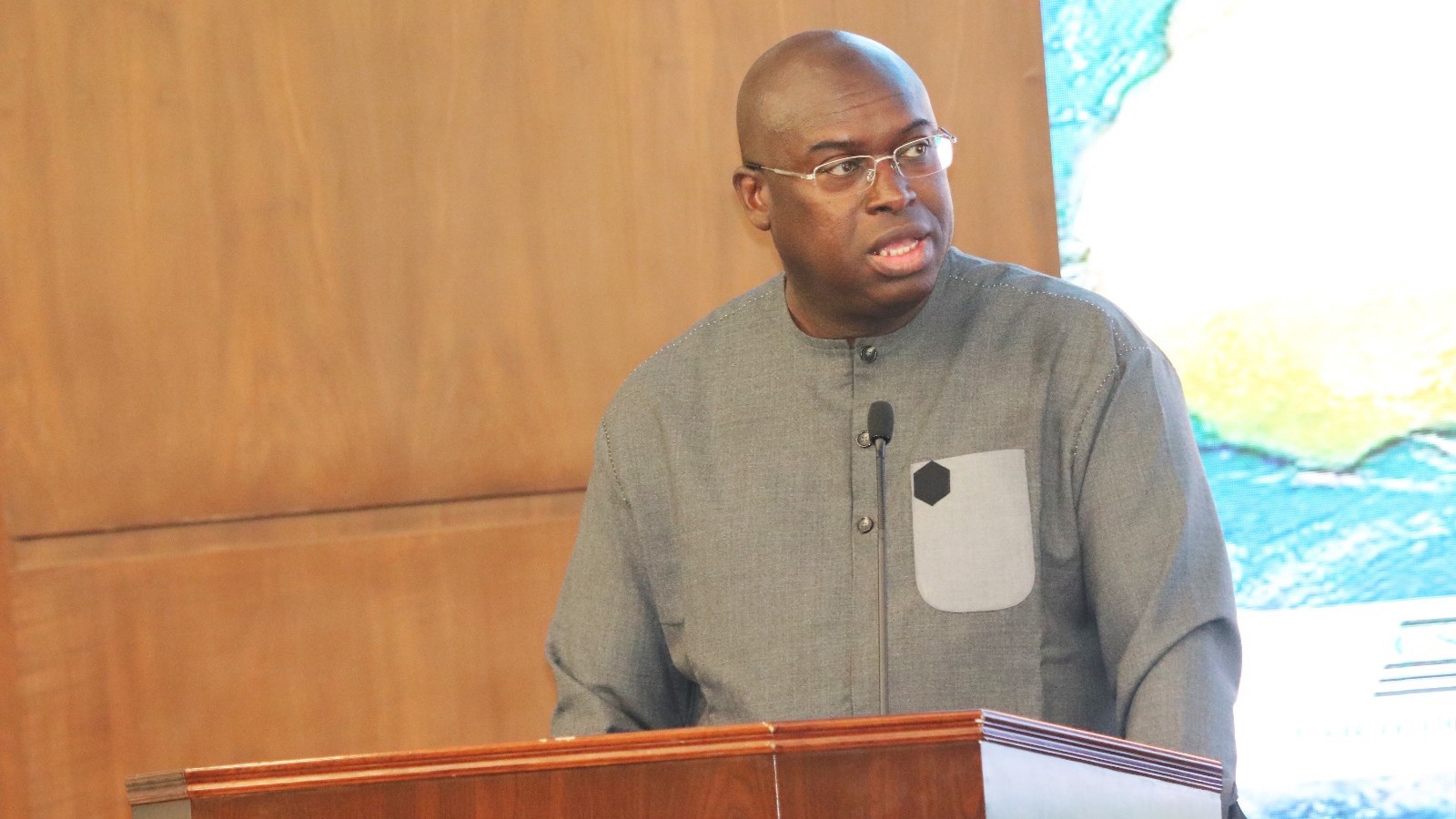
Sharon Kavhu-Dafonseca in CAIRO, Egypt
SPACE-based technologies are key in helping African nations tackle some of the continent’s most pressing challenges, from food security to climate resilience, the African Space Agency (AfSA) has said.
In an interview here on the sidelines of the recent GMES & Africa Forum 2, which was running under the theme “GMES and Africa: A Journey Towards Shaping Africa’s EO Road Map as a Key Pillar of a Sustainable African Space Economy,” president of the African Space Council of the AfSA Dr Tidiane Ouattara highlighted how the GMES & Africa initiative is delivering practical results across sectors critical to Africa’s economy and livelihoods.
“Africa has vulnerable cities facing climate change and other security risks. Among GMES & Africa’s key achievements is its contribution to food security and economic resilience,” he said.
Monitoring land, water and oceans
Dr Ouattara said GMES & Africa — a continental programme for earth observation (EO) — covers all aspects of climate and food security monitoring.
For example, along the coast of Ghana, EO data is being used to track fish stocks, helping protect marine biodiversity critical to local food systems.
In addition, the programme is providing data on wetlands and flood-prone areas, enabling better land and water management.
Institutions such as RCMRD in Nairobi are monitoring land degradation to improve agricultural productivity.
In Southern Africa, EO data is being applied to study climate impacts on vulnerable regions and optimise resource use.
“Through GMES & Africa, we have brought together Francophone and Anglophone researchers, allowing them to access critical data quickly. Climate modelling requires decades of data, and this integration is unprecedented,” he said.
Supporting agriculture in semi-arid regions
EO data is also being used in semi-arid regions like Tunisia to manage water resources for agriculture.
By monitoring water quantity and distribution from space, agricultural departments are improving irrigation efficiency and ensuring sustainable crop production.
Dr Ouattara highlighted another practical application of space data in Central Africa, where rivers account for 80 percent of economic transactions.
EO data enables safer navigation by monitoring water levels, reducing accidents and supporting trade.
“Using space, boat operators can navigate rivers more safely depending on water levels, improving both commerce and lives,” he explained.
These examples, he said, illustrate the transformative potential of space technologies for Africa.
He also said GMES & Africa is creating a model for how earth observation can directly address food security, climate adaptation and economic development.
“Space is no longer abstract for Africa. It’s a practical tool for protecting resources, improving livelihoods and strengthening the economy,” he added.
The GMES & Africa Forum 2, which was held from December 1-3, brought together policymakers, scientists and private sector partners from across Africa, reinforcing collaboration and knowledge sharing in building a sustainable African space economy.