Online Reporter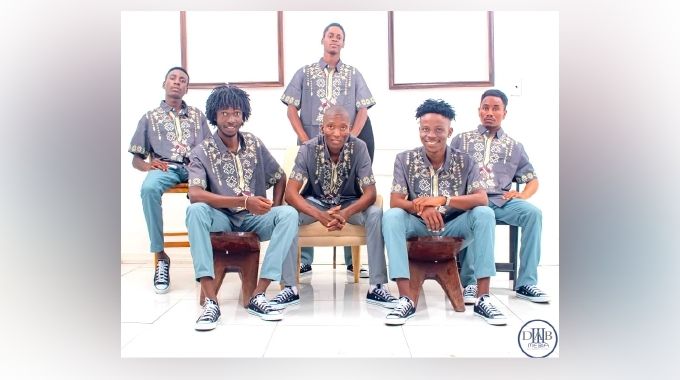
Langalakhe Mabena Sunday Life Reporter
MORE than three decades after the formation of the celebrated Imbube ensemble iHawu Lesizwe, a new generation of singers is working to ensure that the group’s cultural “shield” remains firmly raised and relevant for today’s audiences.
Founded on February 1, 1990, at Nkulumane High School in Bulawayo, iHawu Lesizwe emerged under veteran cultural practitioner Timothy Mlalazi and a group of young men united by a shared mission — to preserve Zimbabwean heritage through the powerful harmonies of Imbube music.
The group’s name, iHawu Lesizwe (the shield of the nation), symbolised its purpose — to promote peace, unity and cultural pride through song. Today, that mission is being carried forward by a youthful second generation led by Bukhosi Mlotshwa, who says reviving the group was never about nostalgia but responsibility.
“Reviving iHawu Lesizwe was never simply about nostalgia, it was about responsibility. With our founder, Mlalazi, still alive to guide and mentor us, we recognised that the shield he raised in 1990, should not be allowed to fall,” said Mlotshwa.
“We reflected on the sacrifices made by the first generation, their achievements, international tours and the dream they carried, that Imbube music should continue to thrive for generations to come.”
The revival has brought together a carefully selected line-up of young vocalists determined to continue the group’s legacy. The current formation includes Mlotshwa, Buthwelihle Ndlovu, Future Ndlovu, Gabriel Mhlanga, Moses Zidla and Khululekani Sibanda.
According to Mlotshwa, joining the group required more than just vocal talent.
“Our recruitment process was guided by three key principles, which are talent, discipline and character. Imbube music demands unity. We sought young men who respect the culture, possess strong natural vocal ability and understand that being part of iHawu Lesizwe is about serving a greater purpose rather than seeking individual fame,” said Mlotshwa.
Mlotshwa said working with the current members has been great, especially with continued mentorship from founder Mlalazi and the first generation of the group.
Like many cultural revival projects, the group is not without challenges, with funding for recording projects emerging as the biggest hurdle.
“Our biggest challenge at present is securing funding for recording projects. We are preparing to record a full album, which we aim to release early next year. We’re working towards making that vision a reality with the support and blessing of the first generation,” said Mlotshwa.
Despite these challenges, the group has already begun rebuilding its presence. Earlier this year, iHawu Lesizwe released a single titled Imbila, a collaboration with emerging artiste Macala Macala.
“The release of Imbila was intended to remind audiences about iHawu Lesizwe, reconnect with long-time supporters and begin rebuilding our fan base. The song is receiving positive feedback, which is a sign that we’re heading in the right direction,” he said.
Beyond the upcoming album, the group is also setting its sights on expanding its audience locally and internationally, with hopes of touring in the coming years.
The revival of iHawu Lesizwe is anchored in a rich legacy of success. During its peak, the first generation released two albums and several singles that gained popularity in the 1990s, earning the group international exposure in South Africa, Botswana, France, Germany, Sweden and the Netherlands. Their journey also brought recognition through numerous accolades, including National Arts Merit Awards, Music Crossroads in 1997, Chibuku Neshamwari honours, Alliance Française recognition in 1998 and awards tied to HIV and AIDS awareness campaigns.
For Mlotshwa and his peers, this history is not just a record of past glory but a foundation for future growth.
“The first generation achieved a great deal and that serves as a major source of inspiration for us. It’s now our responsibility to carry that shield forward and we look forward to creating fresh memories and achieving new milestones,” said Mlotshwa.