


 malvernmugadzikwa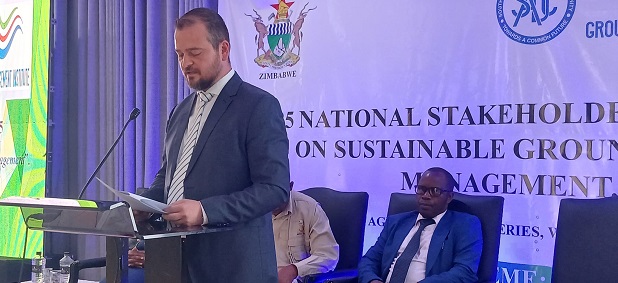
Malven Mugadzikwa
THE Government has called for a unified approach to managing groundwater, emphasising its critical role in sustaining the country’s communities, ecosystems and economy.
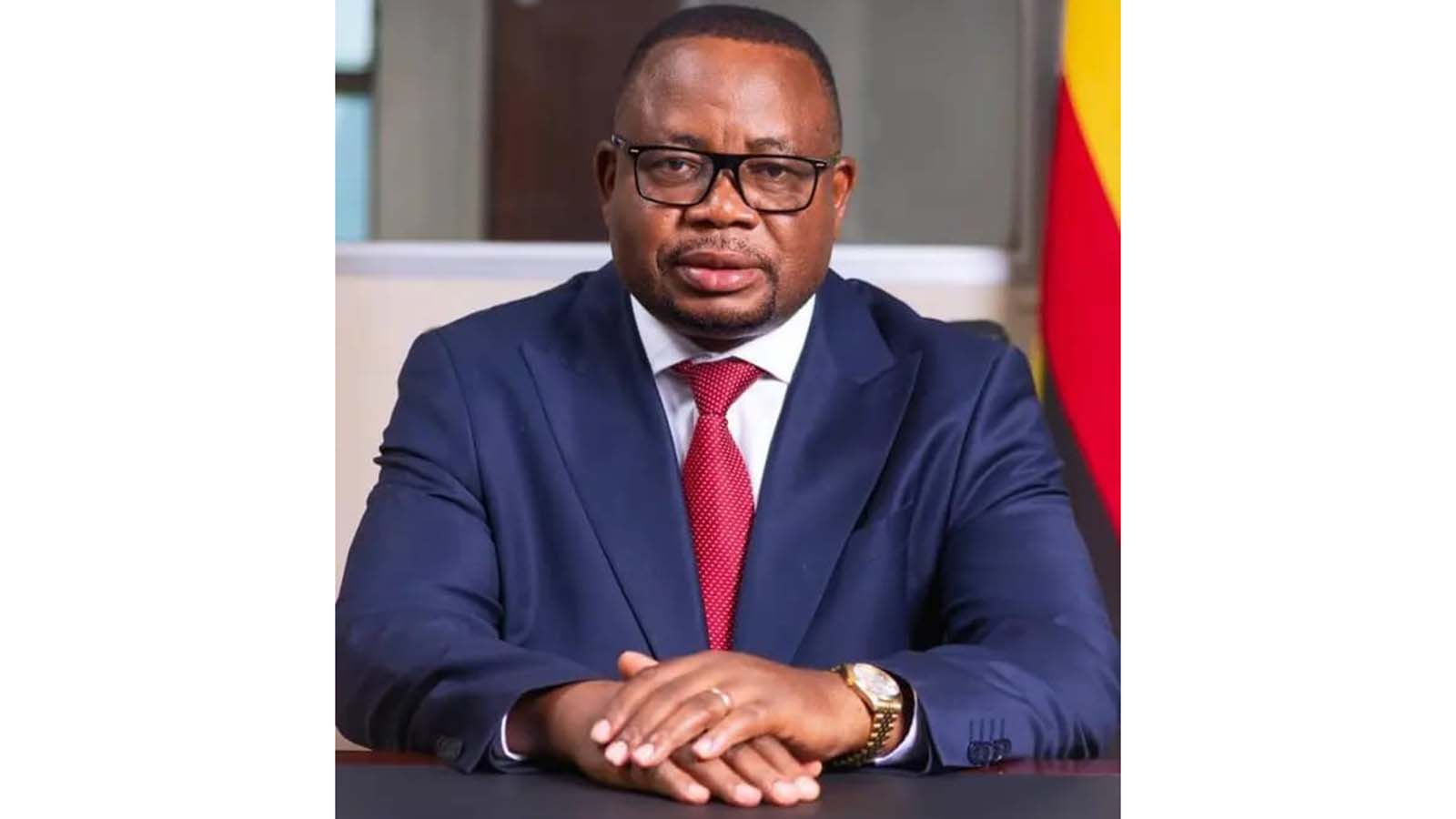
In a speech read on his behalf by Deputy Minister Vangelis Haritatos during the 2025 National Stakeholder Dialogue on Sustainable Groundwater Management on Wednesday, Lands, Agriculture, Fisheries, Water and Rural Development Minister Dr Anxious Masuka highlighted the vital importance of groundwater.
“We gather here as a community with a shared vision to safeguard one of our most precious and often overlooked natural resources — groundwater.
“We are here not just as representatives of our respective organisations or sectors, but as custodians of a vital resource that sustains our communities, economies and ecosystems,” he said.

The dialogue, running under the theme “Sustainable Groundwater Management through Stakeholder Engagement”, comes amid growing pressure on groundwater.
Minister Masuka highlighted the impact of the 2023/2024 El Niño-induced drought, which led to increased reliance on groundwater for domestic water supply and irrigation.
“This increased pressure on groundwater resources demands that we rethink our approach to water management.
“It is essential that we transition towards a more integrated, sustainable and equitable management model that accounts for both current needs and the needs of future generations.”

Dr Masuka commended the Southern African Development Community Groundwater Management Institute for supporting sustainable groundwater initiatives across the region.
Groundwater plays a crucial role in Zimbabwe’s water supply, with cities like Bulawayo relying heavily on the Nyamandlovu aquifer.
The Government is also implementing the Presidential Rural Development 8.0 programme, which includes drilling solar-powered boreholes for each of the country’s 35 000 villages, 9 600 schools and youth horticulture projects in every ward.
“These efforts aim to improve livelihoods and alleviate poverty through sustainable groundwater exploitation,” said Dr Masuka.

He also emphasised regulatory reforms, noting the ongoing review of the Water Act and the ZINWA Act to strengthen the management and regulation of groundwater.
Dr Masuka also underscored the importance of addressing challenges such as over-abstraction, pollution and climate change impacts, calling for collaboration among Government departments, parastatals, academia, civil society organisations and local communities.
“As a nation, we must recognise that groundwater is a finite resource.
“Its preservation requires a Whole-of-Government approach as well as cooperation from all stakeholders.
“It is through collective effort, dialogue, innovation and shared responsibility that we can sustainably manage groundwater.”
Dr Masuka praised the Rural WASH Information Management System (RWIMS) for monitoring rural water supply and urged stakeholders to ensure that all boreholes are integrated into a synchronised national database.
He concluded with a message of inclusivity: “Our solutions must be fair, inclusive and accessible to everyone, ensuring vulnerable and marginalised communities are not overlooked. “Let us ensure that we leave no one and no place behind as we strive towards an empowered and prosperous upper middle-income society by 2030, as espoused by His Excellency, President ED Mnangagwa.”


 Online Reporter