malvernmugadzikwa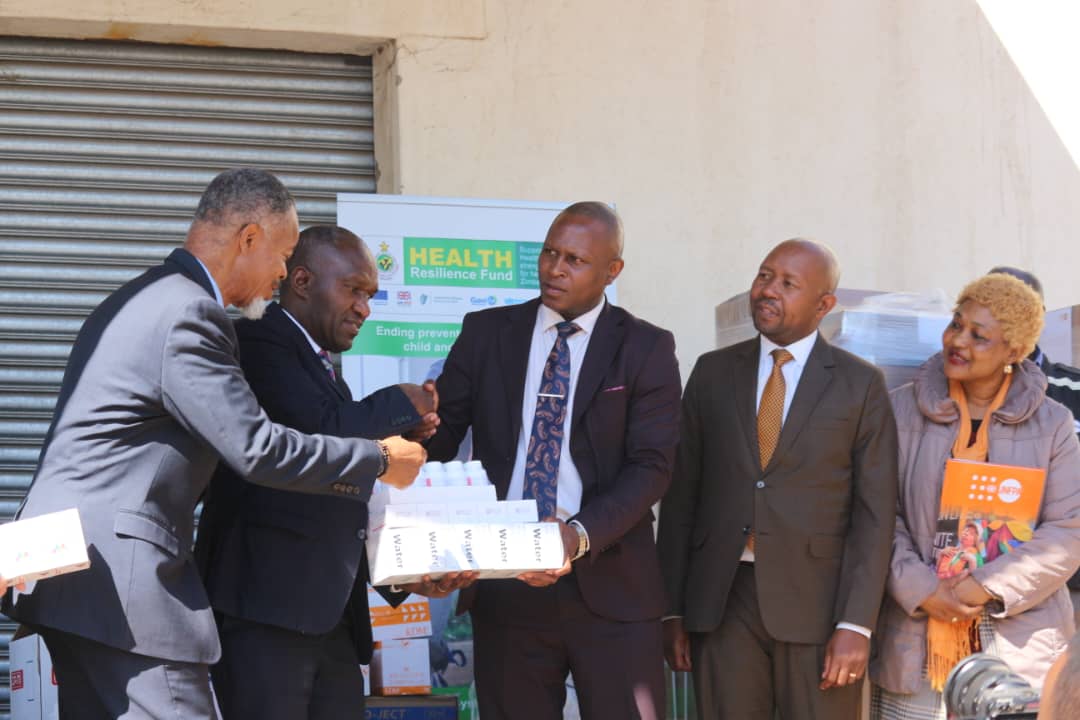
Fatima Bulla-Musakwa
GOVERNMENT has recommended strategic partnerships as a vehicle to drive sustainable improvements in healthcare delivery.
This follows the handover of a consignment of medicines, nutrition commodities, maternal, new-born child health and emergency equipment worth US$9,2 million from the Health Resilience Fund (HRF) to the Government.
The donation, including fistula kits, anesthetic machines and operating theatre tables, among other things, was made on Thursday morning at the National Pharmaceutical Warehouse.
Also on the consignment were neonatal incubators, phototherapy machines used to treat neonatal jaundice, anti-shock garments that help stabilise women suffering from obstetric hemorrhage, ready-to-use therapeutic food to treat children with malnutrition and cholera response supplies.
The supplies were procured through technical support from the United Nations Population Fund (UNFPA) and the United Nations Children Fund (Unicef).
In a speech read on his behalf by Deputy Minister Sleiman Kwidini, Health and Child Care Minister, Dr Douglas Mombeshora commended the HRF for the significant milestones in the health sector.
“This reflects the operational effectiveness and efficiency of partnerships,” he said.
The HRF is a pooled fund that benefits from financial contributions under the coordination of the Health and Child Care Ministry to improve health care in Zimbabwe.
Governments of Britain and Ireland, the European Union and GAVI, the Vaccine Alliance support the HRF.
UNFPA Country Representative, Ms Miranda Tabifor noted the importance of medical supplies in the provision of quality health care.
“Without supplies, commodities and medicines, we cannot prevent maternal death, we cannot meet the unmet need for family planning, we cannot end gender-based violence and other harmful practices and we cannot end new HIV infections,” she said.
The HRF is aligned with Zimbabwe’s National Development Strategy 1 and the National Health Strategy 2021-2025.
HRF co-chair and programme manager at the Embassy of Ireland, Mr Dumisile Msimanga said the target populations of the fund are women, adolescents, girls and children who are at risk of being left behind in the provision of basic essential health services.



 Online Reporter