Sundaymail Editor
Michael Tome
THE Government says the Zimbabwe Industrial Reconstruction and Growth Plan (ZIRGP) 2024-2025, launched on November 1, 2024, will strive to contain the influx of smuggled and counterfeit goods, whose occupancy on local shelf space continues to grow.
ZIRGP is aimed at broadly enforcing consumer protection and trade measures legislation, as well as quality standards to guard against smuggled, counterfeit and substandard goods.
Trade in counterfeit goods has become a significant and alarming issue globally, with its prevalence expanding rapidly. This surge poses serious economic challenges, including undermining legitimate businesses, creating job losses and reducing tax revenues.
Moreover, the social ramifications are considerable, as counterfeit goods often compromise consumer safety.
In Zimbabwe, the situation remains critical, with counterfeit products continuing to pervade the market despite the presence of specific legislation aimed at curbing this illicit trade.
Various enforcement agencies and regulatory bodies are working tirelessly to implement measures that would discourage the distribution and purchase of counterfeit goods. However, these efforts have not been sufficient to stem the tide, as counterfeit items continue to flood retail outlets, often at the expense of genuine products.
The persistence of this issue indicates a complex interplay of factors, including insufficient enforcement of existing laws, low consumer awareness of the risks associated with counterfeit goods and robust demand for cheaper alternatives.
Recently, the Consumer Protection Commission (CPC) highlighted that some counterfeits are being made in backyard industries around the country.
The products include toothpaste, peanut butter, shoe polish, cooking oil, baked beans, relish mixes, drinks and cough syrups.
Generally, ZIRGP, which is a transitional industry and commerce plan, intends to address the main challenges faced by the manufacturing and commercial sectors, and the underlying policy imperatives that ought to provide critical enablers for accelerated industrial development.
Its main objective is to prop up local industry performance in support of the Local Content Strategy, which calls for increased uptake of materials and services from local industry.
Also top on the ZIRGP’s objectives is the need to improve the cost of doing business; strengthening value chains; promoting small and medium enterprises (SMEs) linkages; and improving ease of doing business for optimum performance of industry and other commercial sectors.
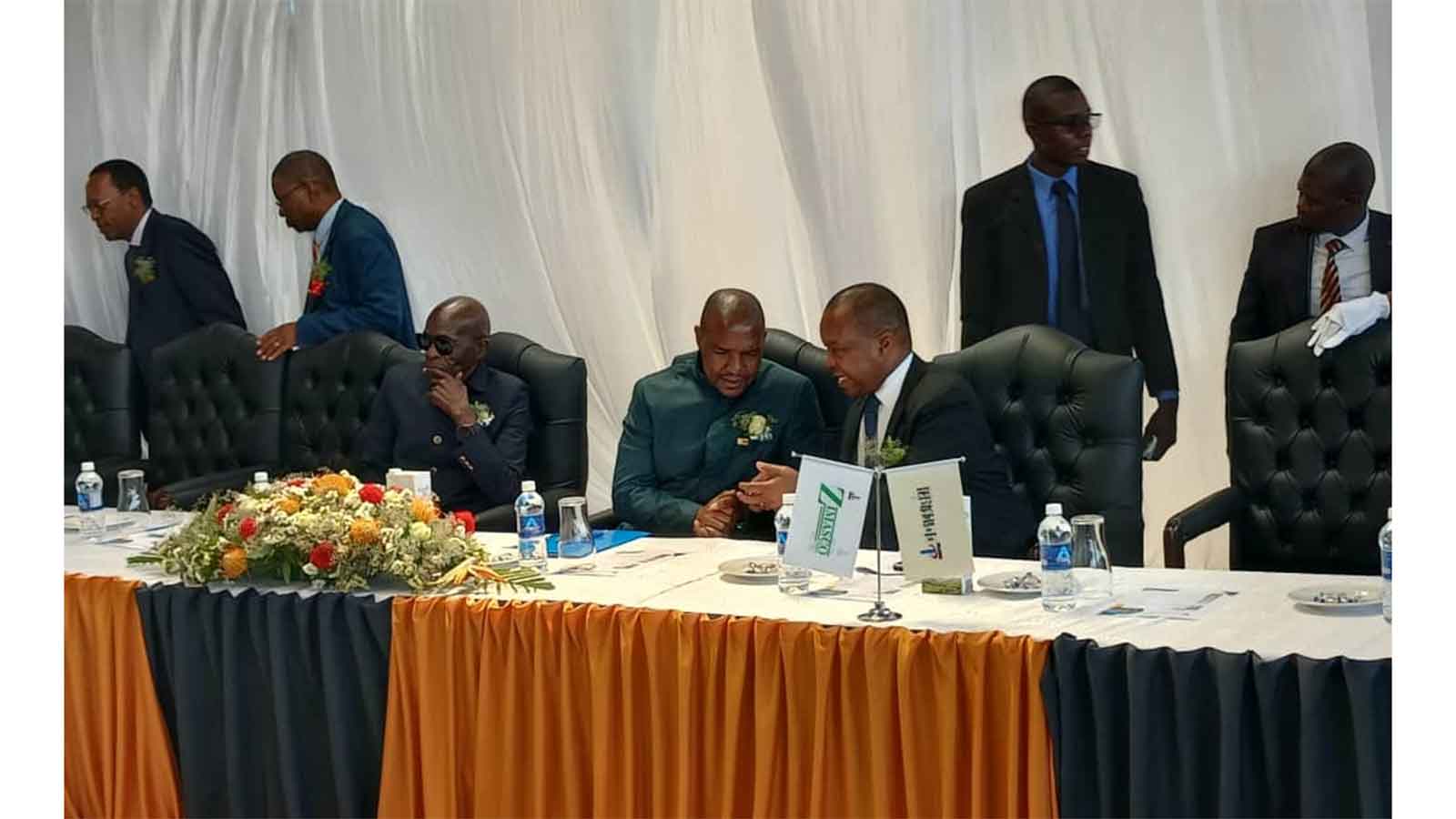
“Our economy is confronted with a number of challenges such as the influx of smuggled and counterfeit products; the informalisation of industry and commerce; power challenges, mainly due to climate change impacts; and the high cost of doing business, among others,” said Minister Mangaliso Ndlovu while launching ZIRGP in Mutare.
“We must find a way to address these issues head-on if we are to realise the full potential of our industrial and commercial sectors. This is the task that requires Government, business and the consumers to work together and I have no doubt that these challenges are not insurmountable.”
CPC research and public affairs manager Mr Kudakwashe Mudereri said the commission has consistently expressed its concerns regarding the increasing prevalence of counterfeit products in the market.
He said these counterfeit items pose risks to consumers, particularly because they often fail to meet safety standards and can adversely affect public health.
“This issue is particularly troubling as it directly contravenes Section 10 of the Consumer Protection Act, which emphasises the fundamental right of consumers to health and safety. The commission is committed to addressing this challenge to ensure that consumers can trust the products they purchase and to safeguard their well-being,” said Mr Mudereri.
“Several of these products, which are sold on the street and in unregistered shops, expose our consumers to health risks.”
According to Minister Ndlovu, ZIRGP also seeks to deal with the negative trade balance, which he attributed to the failure of the manufacturing sector.
“We are an economy that is comfortable with the exports of raw materials, yet importing value-added or finished products.
“This is not what will take us to Vision 2030, but a complete shift in our focus. As such, I will set up a team that will work with business on specific strategies to drive down imports through import substitution while, at the same time, focusing on export development.”
ZIRGP was crafted to serve as a transitional framework to align the industrial policy with the National Development Strategy 2, which will run between 2026 and 2030.
The implementation of this plan (2024-2025) will be championed by the relevant sector industrialists under the purview of the Confederation of Zimbabwe Industries, the Zimbabwe National Chamber of Commerce, other business organisations and the Ministry of Industry and Commerce.



 Online Reporter