

 malvernmugadzikwa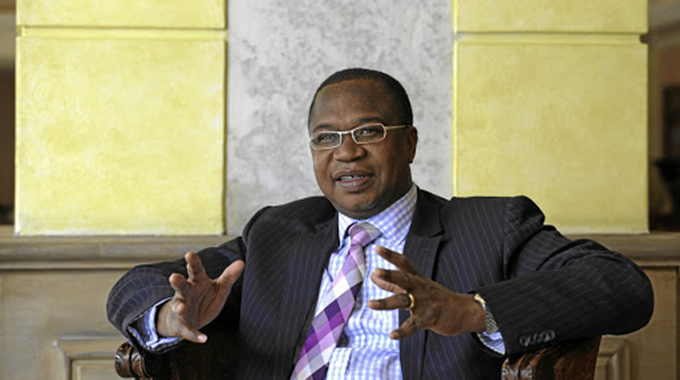
Business Writer
Zimbabwe has gazetted new legislation that will see the country using foreign currency until December 2025 while prices of goods and services sold in the Zimbabwe dollar have been capped at not more than 10 percent of the prevailing interbank rate.
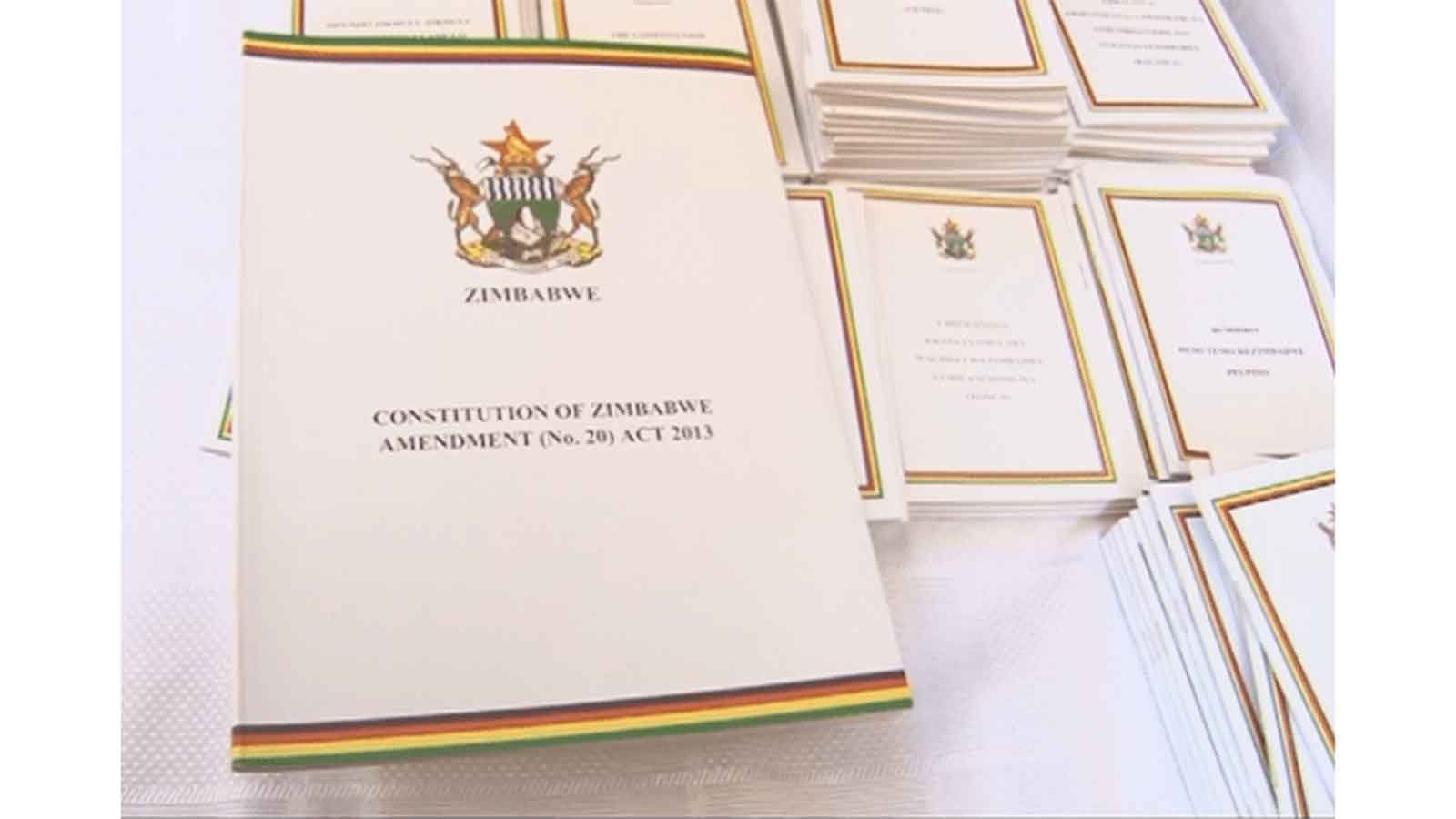
The Statutory Instrument 18A of 2022, signed into law by the President allows the settlement of any transaction or payment for goods and services in foreign currency, for the period of the National Development Strategy 1 (NDS1), the country’s economic blueprint.
NDS1 was launched in January last year and is scheduled to end in December 2025.
“The provisions of the Schedule, insofar as they express or impliedly permit the settlement of any transaction or payment for goods and services in foreign currency, shall be valid for the period of the National Development Strategy 1 (the national economic plan for the period from January 2021 to December 2025, published on the 16th November, 2021),” reads part of the Statutory Instrument.
Corporates and individuals can now receive credit denominated in any foreign currency from an authorised dealer or any other banking or financial institution while repayment shall be made in hard currency. Goods and services sold in local currency should not exceed 10 percent of the prevailing interbank rate. Currently, local prices were pegged using the prevailing auction rate. However, many businesses are pricing their goods using black market rates, almost double the official rate.
The Zimbabwe dollar is trading at 365,2 per US$1 on the interbank market while parallel markets rates are ranging between $750 and $800.
A “person shall be guilty of a civil infringement if he or she, being a seller of goods or services, offers such goods or services at an exchange rate above 10 percent of the prevailing interbank rate published by the Reserve Bank of Zimbabwe,” the law said.
In the event of non-compliance, “the civil penalty shall provide for a combination of a fixed penalty of 20 million Zimbabwe dollars or an amount equivalent to the value of the foreign currency charged for the goods or services in question (whichever is the greater amount); and a cumulative penalty over a period not exceeding 90 days or five per centum of the outstanding amount of the fixed penalty for each day (beginning on the day after the service of a civil penalty order) that the fixed penalty or any outstanding amount thereof remains unpaid by the defaulter.”
In June 2019, Zimbabwe removed the multiple currency regime introduced in 2009 after the value of the previous domestic currency was severely eroded due to devastating hyperinflation, which soared to a record 500 billion percent in 2008, according to the International Monetary Fund.
But in March 2020, the Government allowed people with free funds to use their foreign currency to pay for goods and services, alongside domestic currency comprised of the electronic Real Time Gross Settlement dollar, bond notes, and bond coins. Thus the new law provides legal certainty around the use multi-currencies.
Finance and Economic Development Minister professor Mthuli Ncube said on the Monday that allowing the use of multi-currency would be help the country stem rising inflation, now at 191,7 percent and restore confidence in the economy.
“The market lacks confidence that the multi-currency system is here to stay for the foreseeable future. To eliminate speculation and arbitrage based on this issue, the Government has decided to embed the multi-currency system and the continued use of the US dollar into law,” Mthuli said.


 Online Reporter