tawandamusarurwa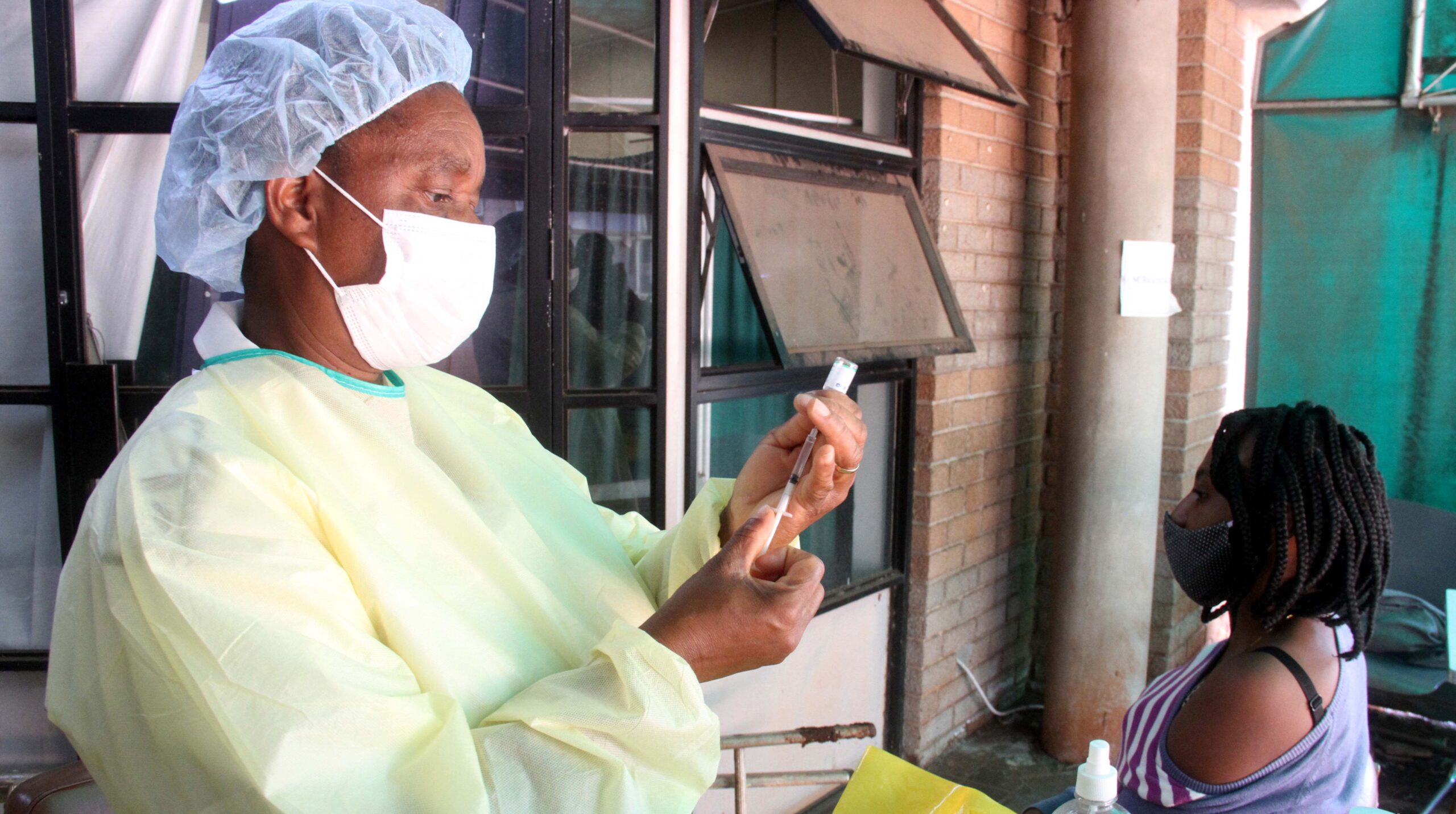
Tanyaradzwa Rusike
AFRICAN countries can draw a number of positive lessons on how to manage future pandemics from Zimbabwe’s strategies in containing the Covid-19 pandemic.
The Southern African country managed to contain the pandemic through its Covid-19 Preparedness and Response Strategic Plan, whose key facets consisted of an inter-sectoral whole of Government and society response approach that prioritised domestic funding.
Science based response policies strategies and approaches were used, in conjunction with stringent enforcement of public health and social measures.
When the Covid-19 virus unleashed its wrath upon the world in 2020, it caught most people off guard.
Not a single country was prepared for the magnitude of this unprecedented pandemic.
The global pandemic needed a resilient health system, in order to save millions of people.
Yet well-resourced countries, with state-of-the-art facilities, still
suffered under the overwhelming magnitude of the pandemic.
The aftermath that ensued was nothing short of devastating, forcing governments worldwide, including Zimbabwe, to swiftly devise a comprehensive set of measures.
A number of measures were put in place to curb the spread of the highly infectious virus.
Travel restrictions, testing, isolation for positive cases, social distancing, and sanitising, among other measures, were enforced.
And several vaccines were developed from 2020.
These measures have now become a blueprint, guiding health officials to battle against future pandemics.
Public Health Advisor to the President and Cabinet Dr Agnes Mahomvan – who was the Chief Coordinator National Response to the Covid-19 Pandemic – commended Government for managing to contain the disease.
“Zimbabwe successfully responded to the Covid-19 pandemic through strong leadership and commitment from His Excellency President Emmerson Mnangagwa as demonstrated by how he ensured that he launched the national Covid-19 Preparedness and Response Strategic plan before any cases had been recorded in the country,” she said.
Zimbabwe has since been recognised internationally as having implemented one of the best Covid-19 responses in Africa and beyond.
Domestic funding
According to Zimbabwe’s 2021 Covid-19 response expenditure analysis, 84 percent of the total of US$362 million spent on the pandemic was from domestic funding.
Dr Mahomva said the lessons learned during Covid-19 should be followed in preparation and response to future pandemics.
“An inter-sectoral whole of government and society response approach was in place and coordinated from his office.
“Domestic funding for the response was prioritised. A 2022 assessment demonstrated that about 63 percent of funds used for the response were domestic funds.
“Science-based response policies, strategies, and approaches were used.
“Cabinet approved an Expert Advisory Team that worked closely with the chief coordinator to ensure that the national response was science based. In addition, the nation followed the WHO evidence-based response strategies and guidelines,” she said.
“Stringent public health and social measures such as lock downs and wearing of face masks (just to mention a few) were introduced very early and were well communicated to the public using a multimedia approach.”
Research
While there is a need to digitalise the health sector, Community Working Group on Health executive director Mr Itai Rusike said the country needs to revisit commitments made towards research and development and put in place an accountability mechanism.
“The Covid-19 pandemic has revealed that strong, inclusive, equitable, accessible and resilient health systems are a prerequisite for human, social, and economic development.
“It has demonstrated that addressing health inequities and advancing the social determinants of health is necessary to ensure health for all,” said Mr Rusike.
“Digitalising access to health services is a very important factor in addressing the imbalance between doctor to patient ratio, ensuring health services and drugs are accessible even in humanitarian contexts and the hard to reach areas.
“This then requires improved internet and energy connectivity.”
He said there is a need to establish research centres in order to promote domestic funding for research.
“Zimbabwe should enhance its preparedness and response to the threat of new Covid-19 variants and other future pandemics by strengthening the health systems.
“While we appreciate the role and support played by donors, we emphasise that it is risky and unsustainable for a country to depend on external partners as donors can withdraw financial support anytime should their interests shift for some reasons.”
Global Network of People Living with HIV co-executive director Ms Sbongile Nkosi said Government should continue to prioritise people with special needs during pandemics.
“Our experiences to date remind us that responding to pandemics such as HIV and Covid-19 is not just about dealing with a medical condition, it’s also about the environment in which we live and how my social status will determine the care I receive.
“It means cantering interventions around the needs of people, listening to people. We understand inequalities.
“Covid-19 showed no one was safe until everyone was safe,” she said.


 Online Reporter