Online Reporter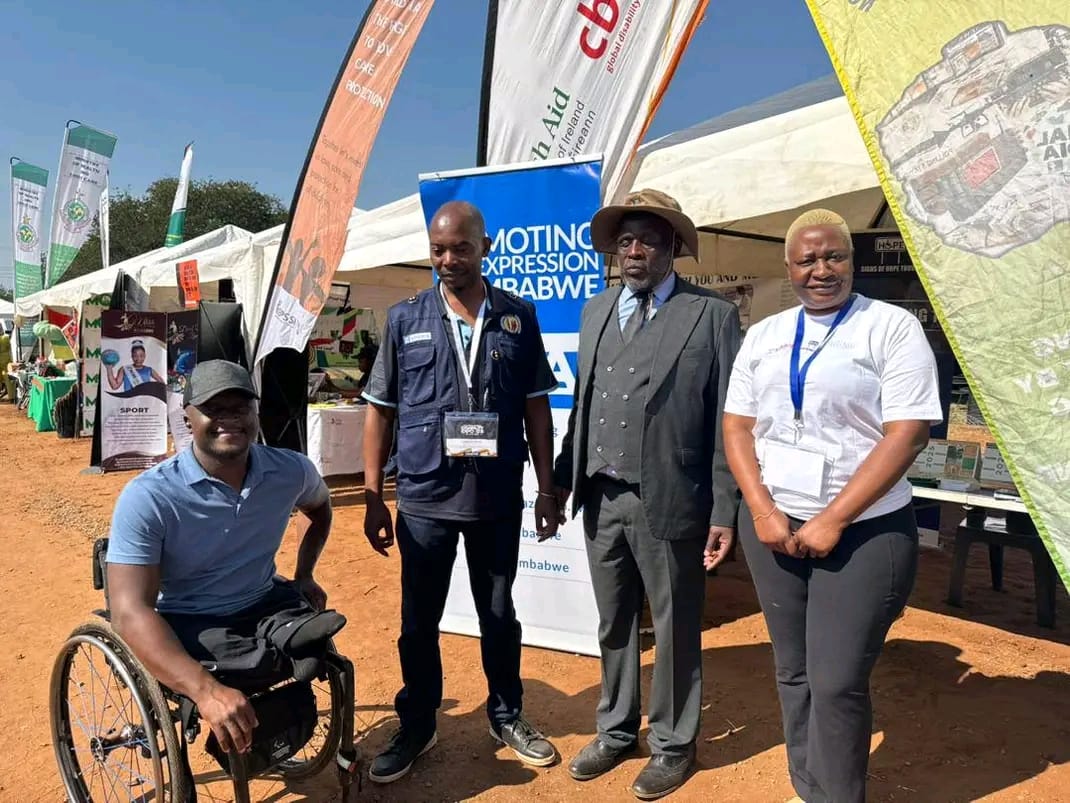
Theseus Shambare
Herald Correspondent
AS Zimbabwe joined the world in commemorating the International Day of Persons with Disabilities, attention shifted beyond national policy debates to a growing wave of continental initiatives set to reposition disability inclusion as a driver of Africa’s economic and creative transformation.
While disability rights groups in Zimbabwe reiterated calls for stronger implementation of the National Disability Policy and the Persons with Disabilities Act, regional advocates say Africa must begin unlocking the economic, social and cultural potential of persons with disabilities — a demographic the World Health Organisation estimates at over 188 million people across the continent.
This year’s commemorations are running under the theme “Fostering Disability-Inclusive Societies for Advancing Social Progress,” a reminder that inclusion is not only a rights issue but also a catalyst for development.
In Harare, Purple Signs Global, one of Africa’s leading disability-inclusion organisations, used the day to announce the 2026 launch dates for three major continental events expected to reshape Africa’s disability agenda.
The initiatives include the Africa Disability Film Festival, the Africa Banking, Insurance, and Investment Summit & Awards, and the Africa Travel and Tourism Summit & Awards, all focused on disability inclusion.
Purple Signs Global leader Dominic Tapfuma, a UN International Telecommunications union award winner, said the projects are designed to challenge long-standing stereotypes while opening new doors for investment, representation and participation.
“These initiatives seek to break stigma, encourage inclusive investment and expand opportunities across creative, financial and tourism sectors,” Tapfuma said.
He added that the events would provide platforms to amplify African disability talent, influence corporate practices and push for accessible tourism across the continent.
The announcement was made ahead of an online presentation scheduled for today, which organisers say will outline how the initiatives will be rolled out in 2026 and how organisations, governments and individuals can participate.
Back home, disability rights groups urged Zimbabwe to keep pace with regional momentum by strengthening implementation frameworks and prioritising funding for inclusion.
In its statement, Signs of Hope Trust (SoHT) said Zimbabwe has laid an important policy foundation, but warned that without decisive action, persons with disabilities risk remaining on the margins of social and economic life.
SoHT director Ms Samantha Sibanda said the Government must urgently address the economic cost of disability, operationalise the proposed Disability Levy and criminalise disability-related discrimination to enhance protection.
“We acknowledge the progress made, but the real test lies in turning policy into practice,” she said.
“A disability-inclusive society benefits everyone. When persons with disabilities participate fully, communities become stronger and nations progress faster.”
Disability advocate Nyasha Chichie Mahwende also applauded activists who continue pushing for inclusion, urging them to “keep fighting” to ensure that no one is left behind.
As Zimbabwe reflects on its commitments, stakeholders say the continent-wide initiatives spearheaded by Purple Signs Global signal a new era in which disability inclusion moves into mainstream economic, cultural and institutional spaces.
Rights groups say this year’s commemorations should encourage Zimbabwe not only to strengthen national implementation but also to position itself as an active contributor to Africa’s broader disability-inclusion agenda.