Online Reporter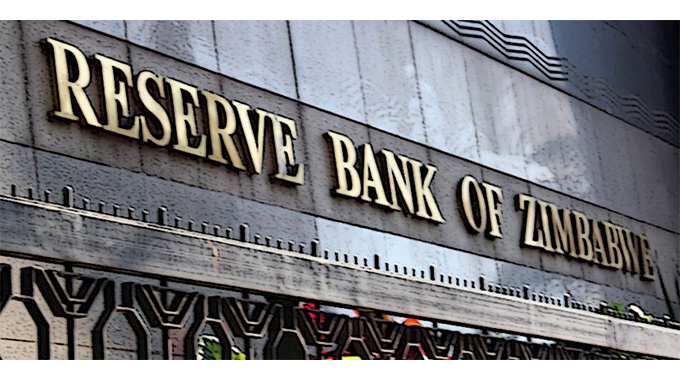
THE Reserve Bank of Zimbabwe’s Monetary Policy Committee (MPC) has slashed the key rate from 30 percent to 27,5 percent with immediate effect, citing a benign inflation environment and strong macroeconomic performance.
The decision, announced on Monday following the MPC’s meeting on September 28, 2026, marks a cumulative 7,5 percentage point reduction in policy rates since June 2026.
As part of the monetary adjustments, the interest rate on the Targeted Finance Facility (TFF) has also been lowered from 15 percent to 12,4 percent, with banks’ all-inclusive on-lending rate to productive sectors capped at 22,5 percent.
The central bank maintained differentiated statutory reserve requirements at 30 percent for demand deposits and 15 percent for savings and time deposits, while keeping minimum interest rates on savings and time deposits at their current levels.
Inflation Control and Economic Outlook
In a statement today, RBZ Governor Dr John Mushayavanhu said annual ZiG inflation fell to 2,9 percent in August 2026 — its lowest level since 1980 — before edging up modestly to 3,7 percent in September due to higher international oil prices, which topped US$100 per barrel following geopolitical escalations in the Middle East. Month-on-month inflation averaged 0,4 percent between January and September 2026, putting the country on track for an annual average inflation of 4 percent and single-digit annual inflation below 7 percent by year-end.
The MPC maintained its 2026 economic growth projection at 5 percent, anchored by resilience in the mining and agriculture sectors.
Strong external sector performance helped lift total foreign currency inflows by 37,8 percent to US$14,3 billion for the period ending August 2026, up from US$10,3 billion during the same period in 2025.
Driven by robust export earnings and diaspora remittances, Zimbabwe’s current account surplus is projected to expand to US$3,5 billion in 2026, up from US$2,1 billion in 2025, after recording a US$1,1 billion surplus in the first half of 2026.
Foreign Reserves and Exchange Stability
The central bank noted that strong external inflows have buoyed foreign currency reserves backing the ZiG to over US$2 billion in September 2026, providing approximately two months of import cover.
Enhanced foreign currency availability in the interbank market supported the exchange rate within the ZiG25–27 per US$1 trading band.
The central bank also reported full compliance with all Quantitative Targets and Structural Benchmarks under the IMF’s 10-month Staff-Monitored Programme (SMP) for both the first and second reviews.
Cautionary Stance
Despite the rate cut, the central bank indicated that the decision does not indicate aggressive monetary easing, describing it as a structural realignment to match observed inflation trends.
The MPC cautioned that future policy adjustments will depend on financial developments, noting potential headwinds from Middle East tensions, oil price spikes and forecasted El Niño conditions for the 2026/27 agricultural season.