


 Sundaymail Editor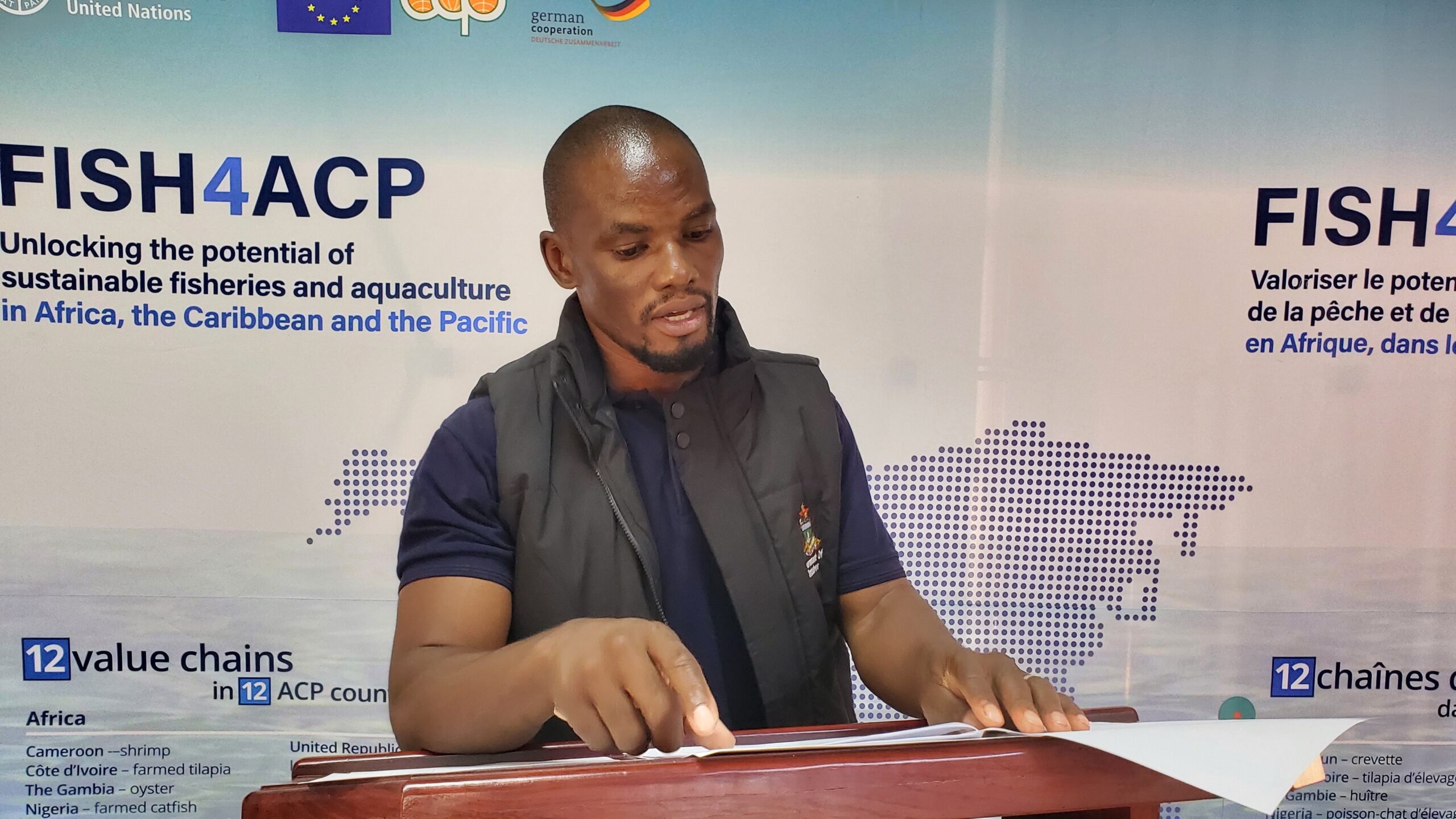
Theseus Shambare in NYANGA
ZIMBABWE’S drive to transform its fisheries and aquaculture sector hinges on a robust legal framework.
These were the sentiments expressed by stakeholders during the launch of the nationwide Fisheries and Aquaculture Bill consultations in Nyanga on Monday.
This initiative, aiming to contribute to a US$1 billion economy, will extend to Bulawayo and Kariba, addressing region-specific challenges.
Fisheries and Aquaculture Resources Department director Mr Milton Makumbe underscored the Bill’s crucial role in consolidating fragmented laws.
“We acknowledge the challenges that the sector has faced due to fragmented laws from different ministries.
“This Bill seeks to address these challenges by consolidating all aquaculture and fisheries-related regulations into a single, coherent legal framework,” said Mr Makumbe.
He said the Bill’s alignment with national strategies like the Agriculture, Food and Rural Systems Transformation Strategy and NDS1 is pivotal.
The Bill, Mr Makumbe added, will harness Zimbabwe’s 10 000 dams for enhanced food security and economic growth.
“It is not merely a procedural step but a landmark achievement that will propel our fisheries and aquaculture industry forward,” Makumbe said.
Food and Agriculture Organisation of the United Nations (FAO) Fish4 ACP’s project coordinator Mr Paul Mwera highlighted the organisation’s commitment to sustainable development through strong legal structures.
“Good laws and functioning legal institutions are essential contributors to the predictability, security and flexibility needed to spur growth in this sector.
“The Bill seeks to create an enabling environment for fish farming. Currently, a breeders’ licence is issued by the National Parks while the issue of water is handled by Zinwa (Zimbabwe National Water Authority). EMA focuses on the management of effluent and selling fish, which requires permits from the public health department.
“The cost of compliance is high and this affects investments into the sector,” said Mr Mwera.
Farmers emphasised the necessity of the Fisheries and Aquaculture Bill to boost domestic fish consumption and reduce reliance on costly imports, highlighting the untapped potential of Zimbabwe’s numerous water bodies.
“This Bill should protect farmers, especially with regards to standardising production of fingerlings and feeds production, to reduce substandard products that are counter-productive. Currently, anyone can sell fingerlings, thereby jeopardising quality,” said Mr Faison Sahumani, a Mutasa farmer.
The upcoming consultations in Bulawayo and Kariba will build upon the Nyanga discussions, addressing regional nuances and ensuring the Bill’s effective implementation across Zimbabwe.



 Online Reporter