Online Reporter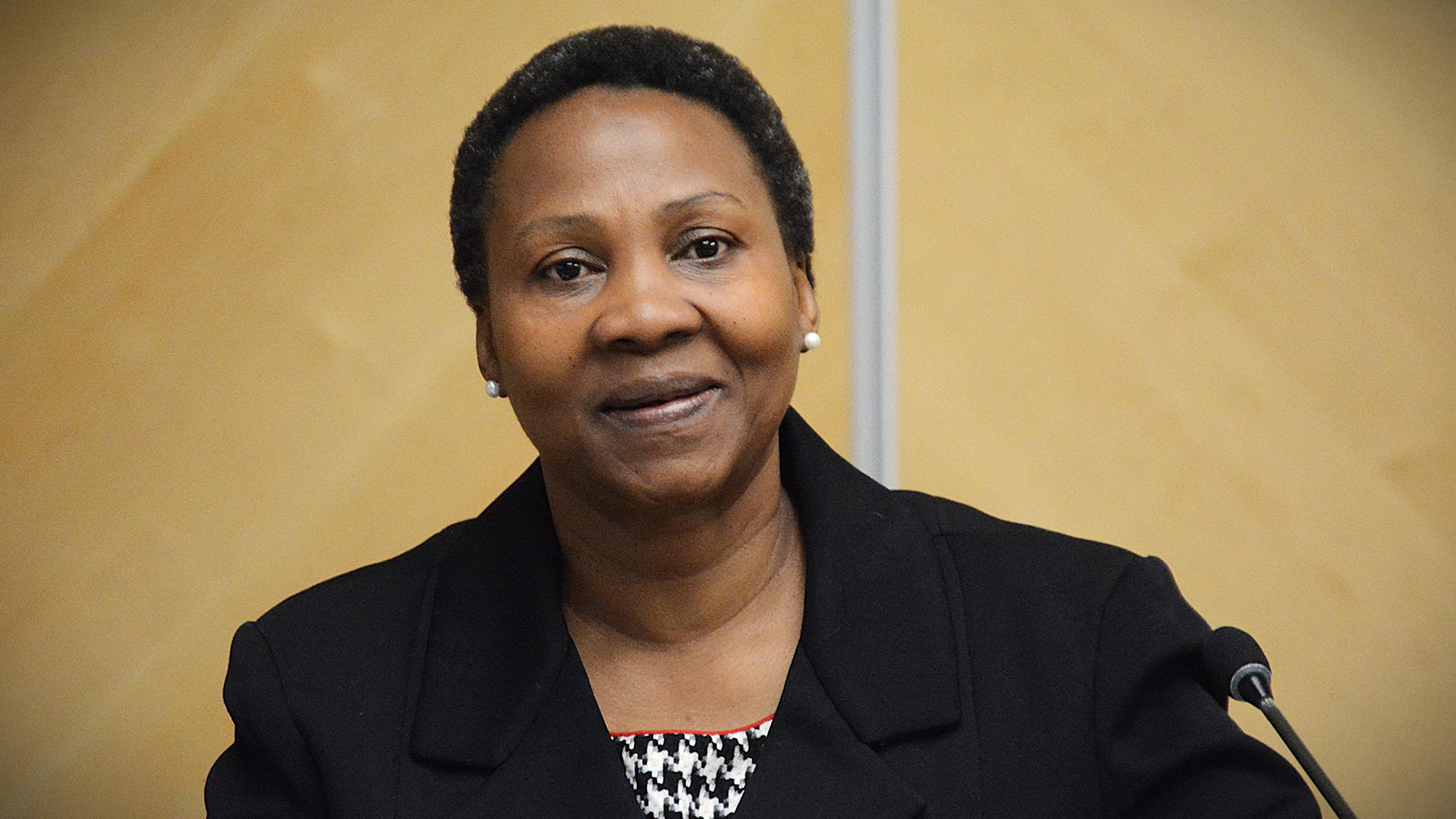
Moses Magadza in JOHANNESBURG, South Africa
THE Southern African Development Community Parliamentary Forum (SADC PF) convened a two-day Monitoring and Evaluation (M&E) Capacity Development workshop here aimed at strengthening evidence-based reporting on climate justice, health and
sexual and reproductive health and rights (SRHR).
Supported by Sweden, the workshop brings together directors of research and senior parliamentary researchers from 11 SADC member parliaments under the forum’s SRHR HIV and AIDS and Governance Programme.
SADC PF secretary-general Ms Boemo Sekgoma officially opened the workshop on Monday.
She thanked Sweden and other partners, including UNFPA and the academia, for their support.
She stressed the importance of equipping parliaments with robust evidence to guide SRHR, HIV and AIDS and Governance responses in the region.
“Effective legislatures are the key to representative democracy. Climate action must be participatory, bottom-up, and context-specific. To achieve climate justice, we must also achieve SRHR justice, documenting how comprehensive SRHR empowers communities
to become active leaders and decision-makers in climate action,” Ms Sekgoma said.
She urged participants to generate compelling, evidence-based case studies that highlight how climate change affects SRHR outcomes, from school dropouts and early marriages to restricted access to safe abortion, contraception and information.
She called on researchers to bring to the fore stories that demonstrate how gender inequalities are deepened by climate disruptions. She argued that such documentation can inform parliamentary resolutions, debates and budgets that promote equity and justice.
“Without a robust SRHR framework, there can be no sustainable socio-economic development,” she stressed, adding: “Parliamentary champions, backed by data and a rights-based approach, can be game-changers in countering climate injustice.”
Dr Jacob Segale, the monitoring and evaluation manager under the SRHR HIV and AIDS Governance Project at the SADC PF, said the workshop’s primary goal was to strengthen the capacity of participants to design, document and present outcome-based
evidence that demonstrates tangible programme impact.
He said that the specific objectives include training participants in advanced M&E methodologies for results and impact reporting; equipping them with tools to develop case studies and stories of significant change; harmonising reporting templates and data
collection frameworks across the 11 participating countries; and aligning country-level evidence with Sweden’s SRHR priorities, including gender equality, accountability and access to rights-based services.
Over two days, the participants were immersed in interactive sessions covering orientation on the SADC PF M&E system, guidance on performance indicators and hands-on training on gathering outcome-level data and crafting compelling impact stories.
Peer-learning sessions allow countries to share innovations in SRHR advocacy and accountability.
On the second day, participants will work in groups to develop country-specific case studies, peer review presentations and finalise narratives for inclusion in the forum’s reporting processes.
By the close of the workshop, Dr Segale said that SADC PF expects an enriched regional evidence base, including a consolidated portfolio of outcome-oriented case studies, harmonised M&E frameworks and heightened readiness for programme reporting and
evaluation.
These outputs will reinforce the forum’s ability to mobilise resources, advocate for rights-based SRHR policies and drive inclusive climate and health responses across the region.