Online Reporter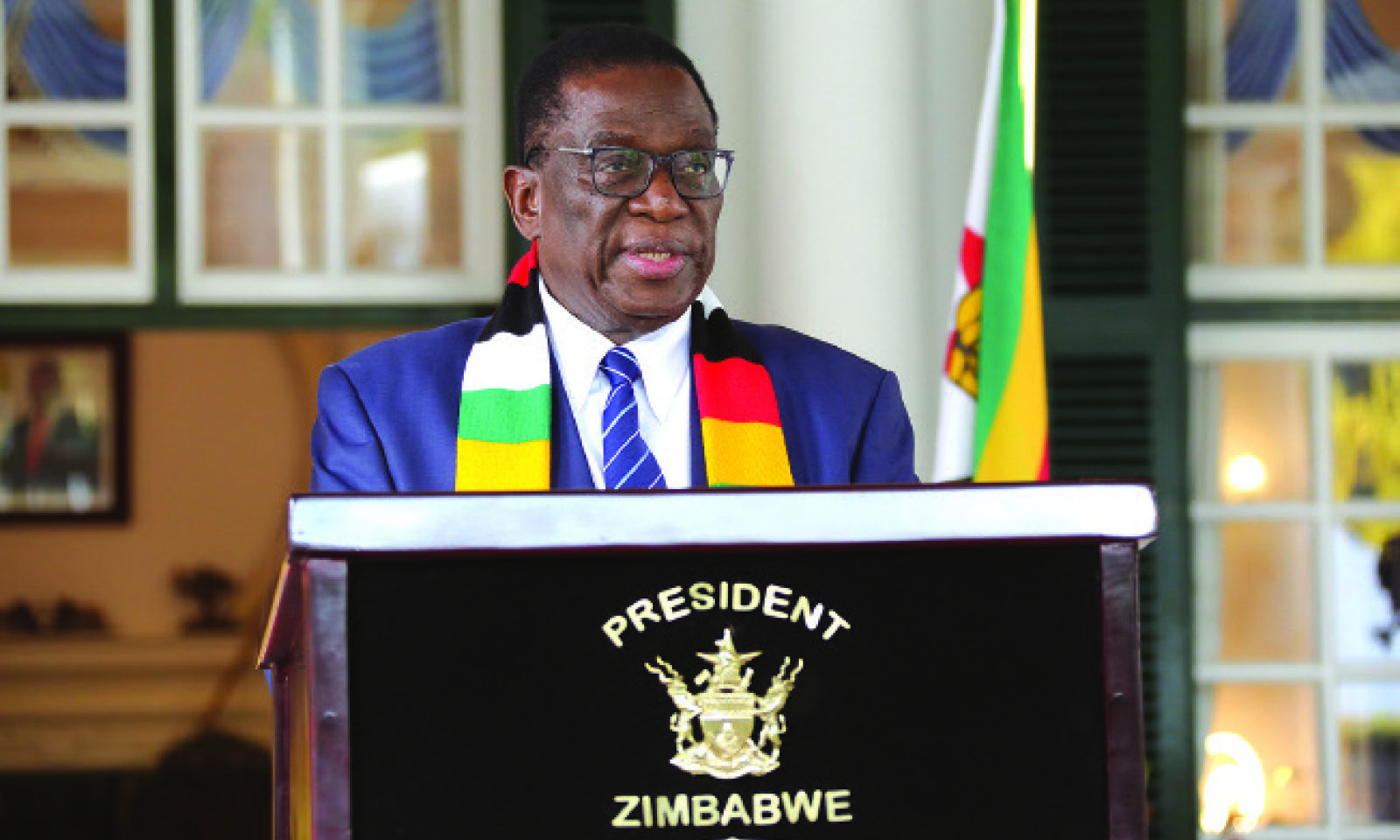
Debra Matabvu
ZIMBABWE is prepared to share its experiences and contribute to a safer and more secure world by working closely with all United Nations (UN) member states, President Mnangagwa has said.
In a speech read on his behalf by Foreign Affairs and International Trade Minister Professor Amon Murwira during the General Debate of the 80th Session of the United Nations General Assembly in New York on Friday, the President highlighted that Zimbabwe’s continued participation in UN peacekeeping missions was a sign of the country’s unwavering commitment to global peace and security.
He also underscored Zimbabwe’s recognition of the vital role played by regional organisations, as well as the importance of engaging non-state actors, in resolving conflicts and fostering durable peace.
“It is our collective responsibility to recommit to the principles and purposes of the UN Charter for the benefit of present and future generations.
“As Zimbabwe, we have anchored our foreign policy in multilateralism, guided by the principles of sovereignty, equality and peaceful coexistence among nations,” said President Mnangagwa.
“We believe that no nation can prosper in isolation. Zimbabwe’s participation in multilateral processes is therefore aimed at advancing peace and security, human rights and sustainable development for the integrity, dignity and prosperity for all.”
Sustainable peace cannot be achieved, he said, without recognising women and the youth as indispensable partners.
“Zimbabwe underscores the importance of enhanced cooperation between the Security Council and regional organisations, such as the African Union, to address the root causes of conflicts,” President Mnangagwa said.
“In our region, the Southern African Development Community (SADC), we emphasise inclusive peace processes. We stand by the principle that peace is not merely the absence of war, but the presence of justice, equity and respect for human dignity. Working with other member states, Zimbabwe has contributed towards the resolution of conflicts in the region, including spearheading joint diplomatic efforts with the East African Community (EAC), in the search for peace in eastern DRC (Democratic Republic of Congo).”
Zimbabwean peacekeepers, he also said, have demonstrated a high degree of professionalism wherever they have been deployed.
Guided by its legacy of commitment to peace and determination to share experiences, the country has since presented its candidature for a non-permanent seat on the United Nations Security Council for the term 2027-2028.
“We trust that our candidature merits the invaluable support of all member states at the election to be held in June 2026. Zimbabwe pursues a doctrine of friend to all and an enemy to none. As such, we are ready and available to work with all members of the United Nations.”
UN reforms
President Mnangagwa said the ongoing reforms of the UN, which are being undertaken through the Secretary-General’s UN80 initiative, should strengthen, and not exclude, the voice and participation of developing countries.
“Any reform that sidelines the aspirations of the Global South runs contrary to the very spirit of the UN Charter,” he said.
“For the United Nations to remain legitimate, effective and responsive, its reform must be member state-driven, inclusive and anchored in the principle of sovereign equality of all member states.
“This anniversary must, therefore, serve as a solemn reminder that humanity achieves more by working together than by working apart and against each other. It is clear that peace, development and human rights can only be fully realised through the reform of global governance institutions. The global economic, political and security architectures established after the Second World War no longer reflect today’s realities. In 1945 a large percentage of the current UN member states, including Zimbabwe, were colonies.
“To this end, we reiterate Africa’s longstanding call for the comprehensive reform of the United Nations Security Council. Africa’s continued total exclusion from the permanent category and underrepresentation among non-permanent members is an aberration which requires urgent redress. Decisions on Africa cannot continue to be made without Africa at the table. We cannot be back to 1884.”
President Mnangagwa said Zimbabwe’s own history of a protracted liberation struggle informs the country’s enduring solidarity with the peoples of Palestine and Western Sahara in their legitimate pursuit of self-determination.
He also reaffirmed the urgent need for a just and lasting peace in the Middle East, based on the implementation of the two-state solution, to ensure peaceful coexistence between Palestine and Israel.
The global economic and financial system, the President also said, needs to be reformed, as it remains “skewed against the Global South, compounding debt distress and entrenching poverty”.
“The reform of the international financial architecture is a critical necessity to unlock development finance, especially for the developing countries that have remained peripheral to the development chain.
“We emphasise the importance of a fair and rules-based international trading system that ensures equitable opportunities for all nations, particularly developing countries.”