leeroy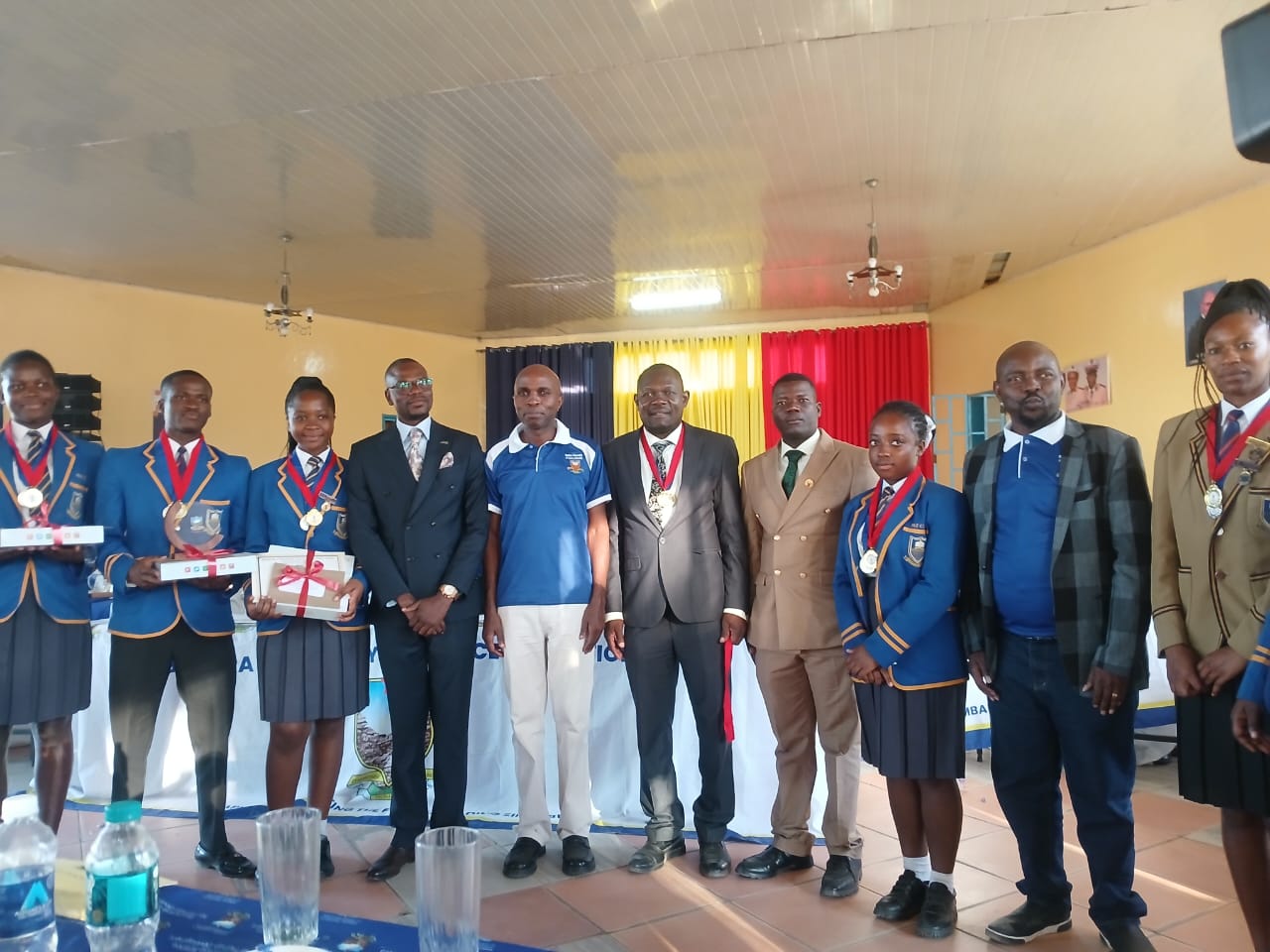
Daniel Chigunwe
Correspondent
FINANCIAL literacy is taking root in rural schools as universities and private-sector partners expand practical education initiatives aimed at equipping young people with skills to navigate the modern economy.
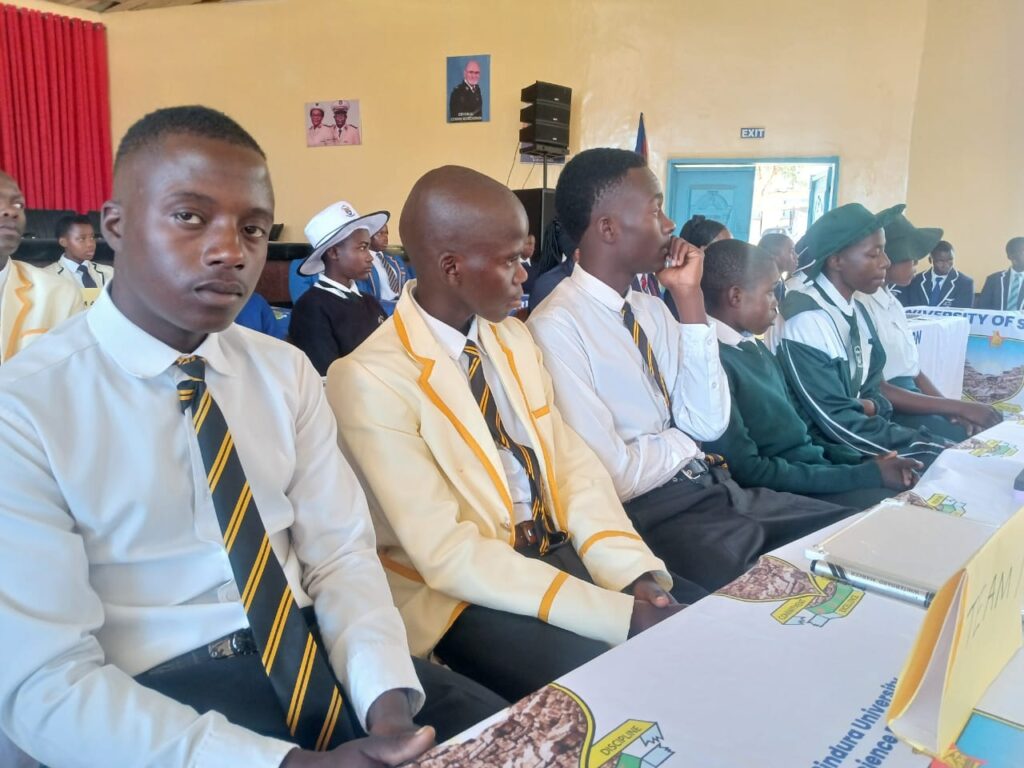
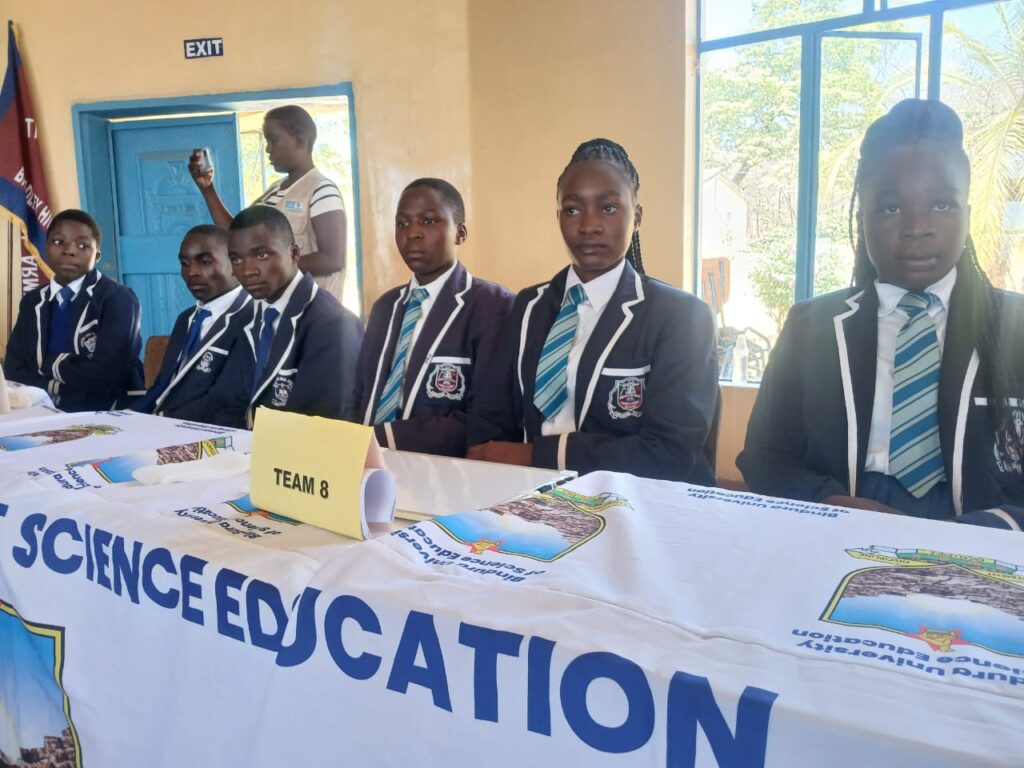
More than 120 learners from 12 schools across Shamva district participated in the second Bindura University of Science Education (BUSE) Financial Literacy Olympiad held at Bradley High School on Friday, with outstanding participants walking away with certificates, cash prizes, tablets and trophies.
The initiative, sponsored by youth entrepreneur Mr Ryan Dhokwani in partnership with BUSE, dovetails with Government’s Education 5.0 thrust, which places emphasis on innovation, industrialisation, entrepreneurship and the practical application of knowledge.
The event followed the successful inaugural edition held in May, with stakeholders calling for the programme to be expanded to more schools across Mashonaland Central province.
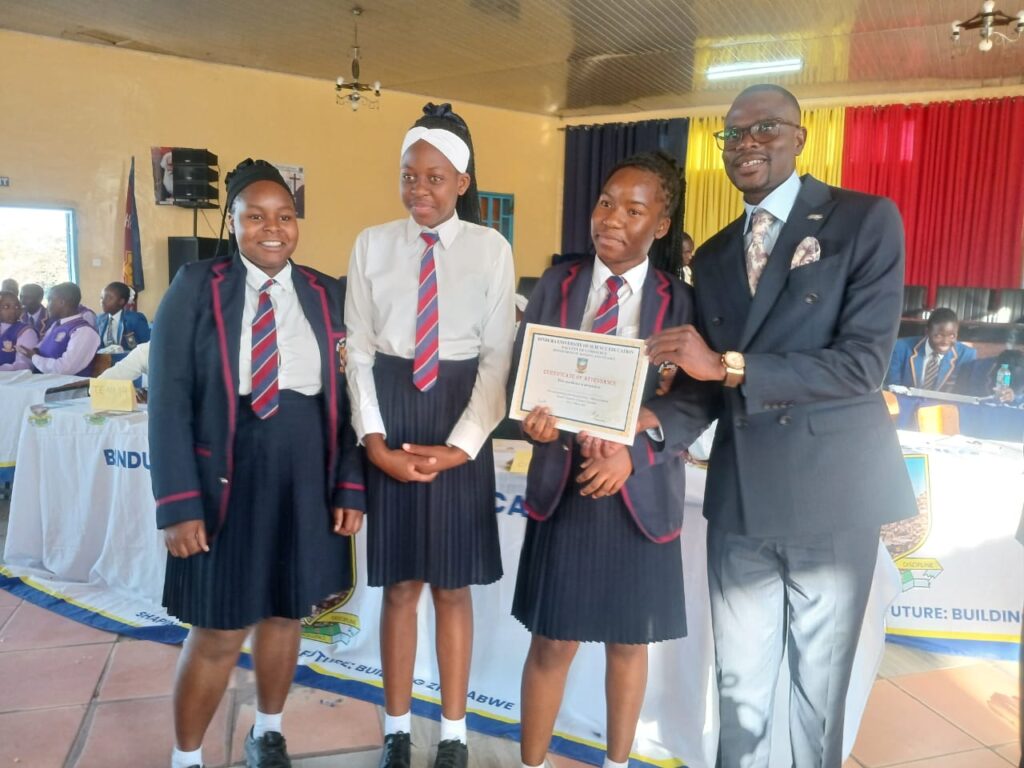
Speaking at the event, Mr Dhokwani said young people needed practical financial knowledge to prepare them for an increasingly digital economy.
“Financial literacy is not simply about knowing how to count money. It is about understanding how money works and, more importantly, how to make responsible decisions about it,” he said.
Mr Dhokwani said the programme should ultimately help learners turn knowledge into opportunities and solutions within their communities.
“If you know how to identify a problem in your community and turn it into a business opportunity, you are empowered,” he said.
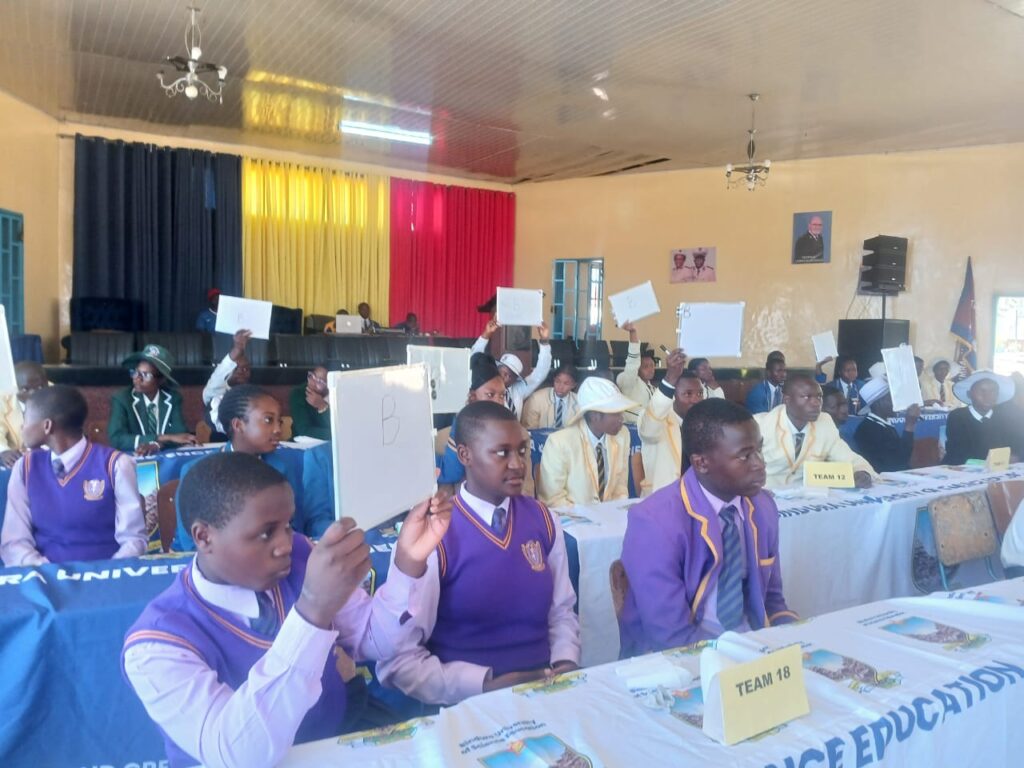
He challenged schools to create environments where learners could engage with entrepreneurship, savings, investment, budgeting and responsible financial behaviour.
For rural schools, such initiatives provide learners with exposure to practical economic skills while strengthening links between institutions of higher learning and communities.
BUSE Department of Banking and Finance lecturer Professor Kosmas Njanike said the university considered the programme important in preparing learners for the country’s development trajectory under the National Development Strategy 2 (NDS2).
“Financial literacy is critical in preparing learners to participate meaningfully in the economy envisaged under NDS2. We have therefore seen it necessary to take financial literacy to schools and equip young people with the knowledge and practical skills they need to make sound financial decisions, create opportunities and contribute to national development,” he said.
Prof Njanike said taking the programme into schools also demonstrated the role of universities in extending knowledge and expertise beyond their campuses and into communities.
The approach is consistent with Education 5.0, which seeks to strengthen the practical application of education through innovation, industrialisation, entrepreneurship and community-oriented solutions.
Mr Dhokwani commended BUSE for extending the initiative to schools, saying such partnerships could have a lasting impact on communities.
“To Bindura University of Science Education, I commend you for using your expertise and resources to take financial literacy beyond the university campus and into schools,” he said.
“This is precisely the kind of university-community partnership that creates meaningful impact.”
The participating learners competed in financial literacy quizzes before receiving certificates and prizes for their performances.
Bradley High School Upper Six learner Keith Kahari said the programme was important in preparing learners for life beyond the classroom.
“Financial literacy is a critical need for survival and success and for us learners it ensures we are moulded into integrity persons who will shun financial crimes like fraud and corruption,” he said.
The prizes included cash awards, tablets and trophies, with the recognition expected to encourage learners to pursue further interests in financial management and entrepreneurship.
Mr Dhokwani said the initiative had the potential to grow beyond Mashonaland Central and eventually become a national platform bringing together learners from across Zimbabwe.
“An initiative that began by bringing students together in Mashonaland Central has the potential to become a platform that brings together young people from across Zimbabwe,” he said.
He called on BUSE, the Ministry of Primary and Secondary Education, industry, financial institutions and other stakeholders to support the expansion of the programme.



 Online Reporter