Chronicle Editor
Prosper Ndlovu, Business Editor
A REVIEWED tax regime for vehicle importers and exporters has been unveiled to ease pressure on forex demand and buttress the on-going measures being instituted by Treasury to enhance the domestic use of the Zimbabwean dollar.
This will see 50 percent of mining royalties, duties and taxes on designated imported vehicles being paid in local currency.
All domestic taxes due from exporters on their export receipts will also be payable in both foreign and local currency in direct proportion to the approved export retention levels.
The move follows intense lobbying by industry leaders to tweak fiscal and monetary policy provisions so as to weed out illegal foreign currency trading, as well as stem rampant parallel market exchange benchmarking or indexation of prices and services.
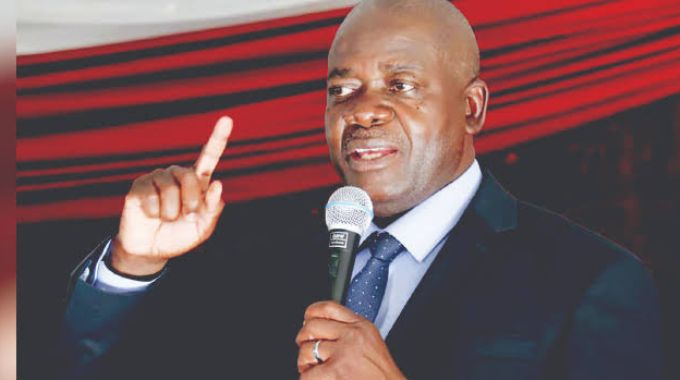
Such exchange rate malpractices continue to weigh heavily on the progress being made to transform the country’s economy, which weakens domestic and international competitiveness, Finance and Economic Development Minister, Professor Mthuli Ncube, said yesterday.
This comes as demand for forex is swelling as more traders prefer forex transactions, which piles pressure on the exchange rate, and subsequently on local dollar prices, thereby eroding consumer spending power.
This week the local dollar lost grip again at the formal forex auction to trade at 1:116 against the US-dollar while parallel market rates are hovering at 1:200 and above.
In a public advisory statement issued yesterday, the minister said the new measures would help restore macro-economic stability and ensure smooth operations by the diverse productive sectors.
“In this regard, the public is advised that the following measures now apply with immediate effect: All mining royalties are now payable in Zimbabwe dollars up-to a limit of 50 percent of royalties due,” said Prof Ncube.
“All duties and taxes on the importation of designated motor vehicles are now payable in Zimbabwe dollars again up-to a limit of 50 percent of duties and taxes payable.
“All domestic taxes due from exporters on their export receipts are now payable in both foreign and local currency in direct proportion to the approved export retention levels.”
To illustrate the new policy, the Treasury boss said an exporter who receives foreign currency of, say US$1 000 at a 40 percent surrender ratio (60 percent retention), will pay taxes on the 40 percent, in Zimbabwe dollars and the 60 percent in foreign currency.
The minister said Government, through its various agencies, was already seized with instituting various measures to enhance the formal use of the domestic currency.
He bemoaned the threatening resurgence of price instability emanating from market distortions, saying these were imposing downside risks to macro-economic stability.
Since the coming in of the New Dispensation led by President Mnangagwa in 2017, Prof Ncube said Government has rolled out comprehensive reforms that are now transforming the economy.
These include fiscal consolidation, which has resulted in balanced budget performance and the elimination of destabilising fiscal deficits despite major economic shocks such as the 2019-20 droughts, Cyclone Idai and the ongoing threat of the Covid-19 pandemic.
He also pointed to restoration of domestic and export competitiveness through the re-introduction of the Zimbabwe dollar.
This has seen rapid gains being made in stabilising the current account, which has also been boosted by increased international remittances, enhanced export performance and notable import substitution effects, said the minister.
“These measures reflect Government’s commitment to promote the wider use of the Zimbabwe dollar and to continuously strengthen the economy so as to build long lasting macro- economic stability,” he explained.
Prof Ncube said consistent implementation of the monetary targeting framework by the Reserve Bank of Zimbabwe as well as close policy coordination between fiscal and monetary authorities have also been key policy milestones towards achieving price stability.
“These developments have also seen the rapid growth of privately held foreign currency reserves from levels of around US$300 million in 2018, to over US$2 billion currently held in Zimbabwean banks,” he said.
“Official reserves have also increased from less than US$100 million to over US$1.2 billion currently, which includes, the US$960 million equivalent in SDRs recently availed by the IMF to Zimbabwe.”
In the intervening period, the minister said the Government has also improved access to foreign currency by all bona fide businesses and individuals through the official forex auction system.
Since its commencement on June 2020, more than US$2 billion has been issued to at least 7 000 beneficiary businesses organisations including small to medium enterprises.
Going forward, Prof Ncube said it was now imperative to expand the areas which the Zimbabwe dollar should be used in the economy and further provide incentives for its use.


 Online Reporter