Online Reporter
Theseus Mauruki Shambare in VICTORIA FALLS
ZIMBABWE needs a robust real-time labour market intelligence system to ensure education and skills development programmes remain aligned with the changing demands of industry, the Ministry of Skills Audit and Development (MOSAD) has said.
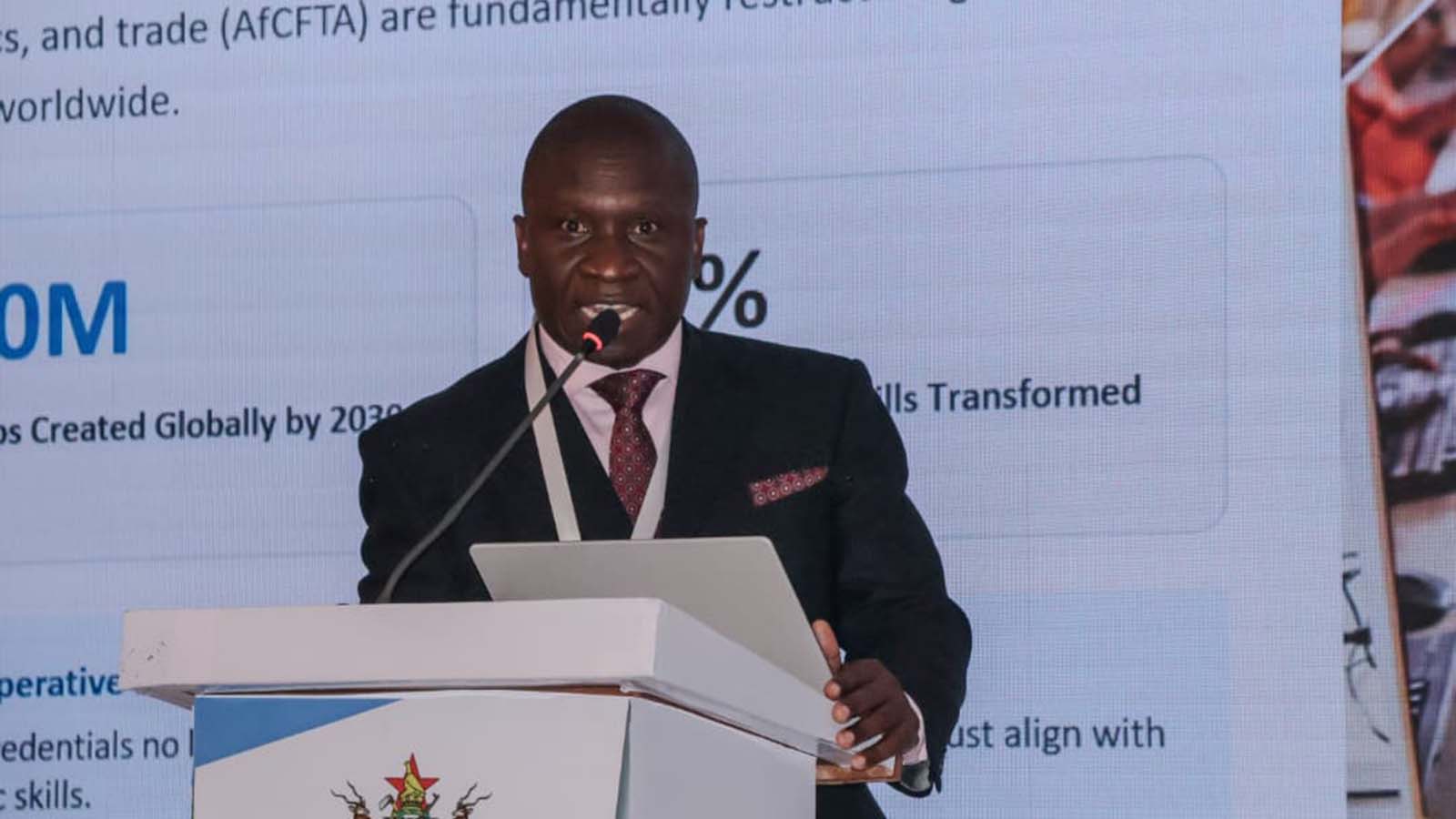
MOSAD Deputy Director (Diaspora Skills) Mr Stanley Kadzima said reliable and up-to-date labour market information was critical for Government, training institutions and industry to identify emerging skills gaps and adjust training programmes accordingly.
Addressing delegates at the ongoing Zimbabwe Tripartite Negotiating Forum Global Summit in Victoria Falls, Mr Kadzima said the rapid transformation of the world of work required the country to move away from relying on outdated information when planning skills development.
Government, he said, was working towards bringing together information from universities, polytechnics, colleges and industry-based training initiatives with labour market information systems.
“This is where we need accurate, high-quality and real-time labour market data so that we know what skills are required in the industry,” Mr Kadzima said.
 The proposed approach would enable policymakers and training institutions to better understand which occupations were expanding, which skills were becoming obsolete and where new competencies were emerging.
Mr Kadzima said Zimbabwe was facing significant changes in the skills required in the workplace, with the country expected to require changes to about 48 percent of its core workplace skills.
Globally, about 39 percent of core workplace skills are expected to be transformed as technology, the green transition, demographic changes, geopolitics and trade reshape labour demand.
He said the changing skills landscape made it necessary for training institutions to maintain closer links with employers and industry rather than operating in isolation from the labour market.
“Skills development is no longer just for the youth who are in school, but skills development must happen everywhere,” Mr Kadzima said.
He said workplace training, industry-linked curricula and continuous professional development would be important in ensuring workers remained relevant as occupational requirements changed.
Mr Kadzima also called for greater collaboration between Government, business, labour and training institutions in developing the country’s human capital.
Such collaboration, he said, would help ensure that training programmes respond to actual economic requirements while also allowing employers to communicate emerging skills needs to education and training providers.
He said the country’s response should include both technical competencies and core human skills such as resilience, agility and empathy.
“Many were used to compete on the basis of strength, physical strength, but machines are replacing that, and empathy will be a critical core skill that will be needed,” Mr Kadzima said.
He also emphasised on the potential role of micro-credentials in providing workers with shorter and more targeted forms of skills development.
Mr Kadzima said Zimbabwe would need to consider how such credentials could be incorporated into the National Qualifications Framework.
He said a responsive skills system would be critical as Zimbabwe seeks to prepare its workforce for a changing economy.
“Human capital is the most important asset for an organisation or a nation. Competition is going to be based on talent.”