


 Sundaymail Editor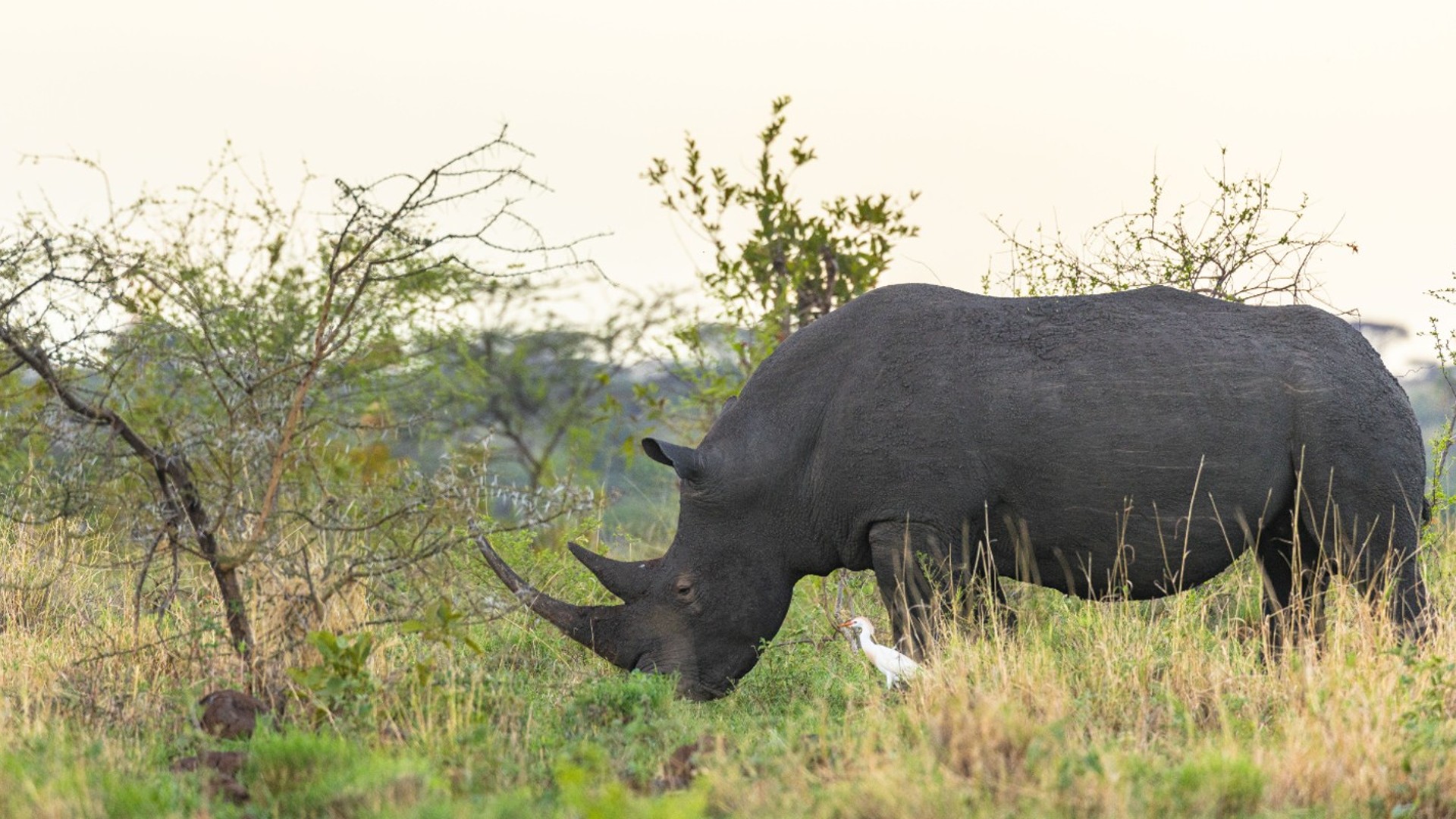
Harmony Agere
THE Zimbabwe Parks and Wildlife Management Authority (ZimParks) has strongly opposed a proposed mining project within Hwange National Park, urging the Ministry of Mines and Mining Development to reject the application for exclusive prospecting rights in the area.
The proposed site, the Sinamatella Black Rhino Intensive Protection Zone, is a critical habitat for endangered black rhinos.
“This area is a critical habitat for black rhinos and currently supports a growing population of this endangered species, which is listed under the Convention on International Trade in Endangered Species of Wild Flora and Fauna (CITES) Appendix 1,” said ZimParks in a statement released on Thursday.
“The proposed mining project will actually increase the risk of species extinction and prospects of population recovery will be negatively affected.”
The environmental impact of mining in Hwange National Park would contradict ZimParks’ conservation mandate and Zimbabwe’s global reputation in sustainable wildlife management.
ZimParks also highlighted the adverse effects of mining on tourism, a key revenue generator for the country.
“Approving mining in this zone would not only contradict ZimParks’ conservation mandate but also tarnish Zimbabwe’s reputation regionally and internationally as a world leader in sustainable conservation,” reads the statement.
“Tourism is a major revenue generator for the country, and our operations significantly rely on the revenue generated from tourism through leased concessions; thus, any mining operations introduced could adversely affect our ability to deliver quality experiences for tourists.”
Environmental concerns such as air, noise and land pollution were also raised, with ZimParks warning that mining would disrupt wildlife movement and increase poaching incidents.
“Mining activities are known to create air, noise, and land pollution, which detrimentally impact visitor experiences and disrupt wildlife movement, not to mention the increased cases of poaching.
Sinamatella is also home to the Bumbusi ruins, a site of cultural and historical significance for the Nambian-speaking communities, where traditional leaders conduct annual rituals.
The authority stressed the importance of preserving this heritage.
Furthermore, the park is home to Africa’s second-largest elephant population and ZimParks expressed concern that mining activities could interfere with groundwater flow, worsening existing water shortages and escalating human-wildlife conflict.
“Mining may interfere with the flow of groundwater, threatening vital water sources relied upon by our wildlife,” reads the statement.
“This disruption can worsen existing water shortages, leading to increased mortality rates in species and heightened human-wildlife conflict in surrounding communities.”



 Online Reporter