Mkhululi Ncube, [email protected]
FOR 13 years, the people of Ngwana Village in Bulilima District, Matabeleland South Province, have carried a shared dream, building a health centre that would bring essential medical services closer to their homes.
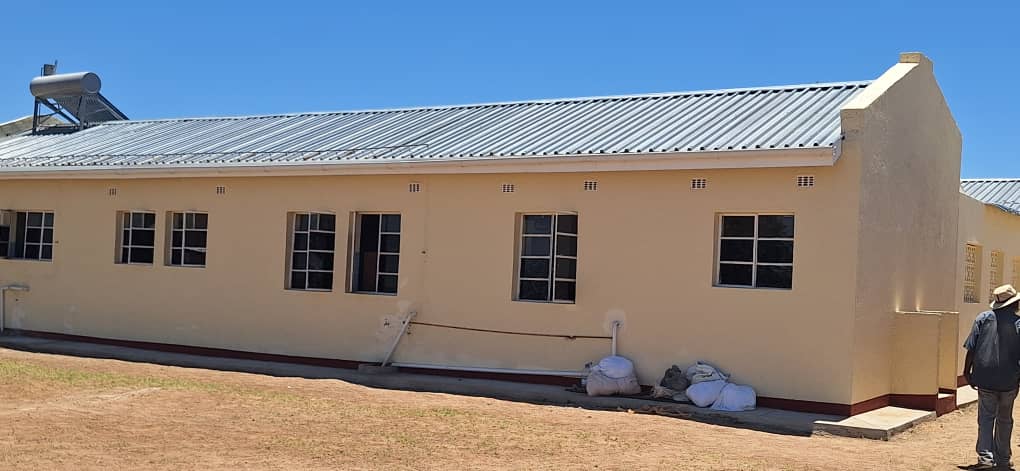
From moulding bricks and transporting river sand and water to assisting builders, villagers invested their time and labour in the construction of Ngwana Clinic, determined to end the long journeys they endured to access healthcare.
There were periods when progress appeared to stall, but the community remained committed, drawing support from development partners, Government departments and well-wishers along the way.
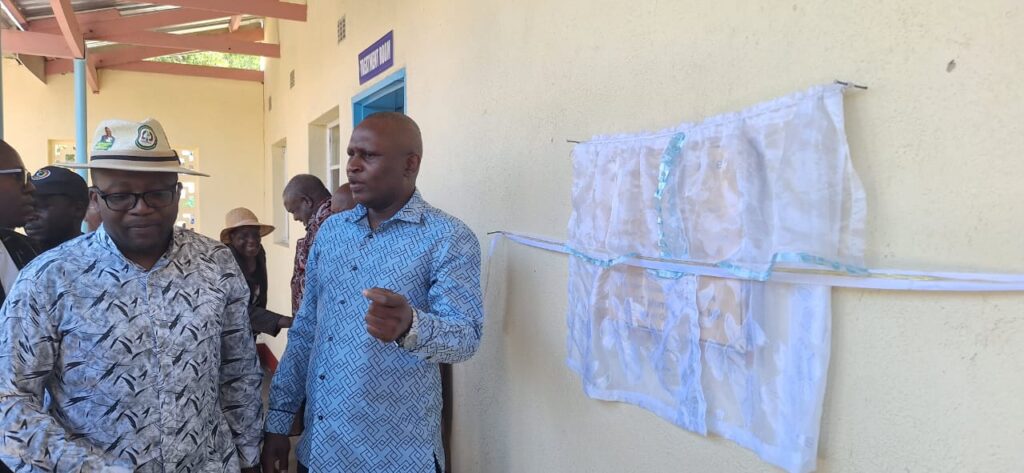
Last Friday, that long journey culminated in a moment of celebration as villagers, Government officials and development partners gathered to witness the commissioning of the clinic.
“Takahana kwazokwazo….we are very happy,” was a common expression among villagers as they greeted one another.
For gogo Auglet Msokosi, the clinic represents a lasting legacy that the older generation will
bequeath to those who come after them.
“It was lots of hard work but today we are so happy we have our own clinic. Our hard labour has finally paid off. We will get our medication close, our grandchildren will give birth nearby instead of travelling for to Matjinge or Ndiweni clinic,” she said in an interview on Friday.
Led by the Bana BeNgwana Development Trust (BBDT), the community mobilised resources and forged partnerships to turn the project into reality.
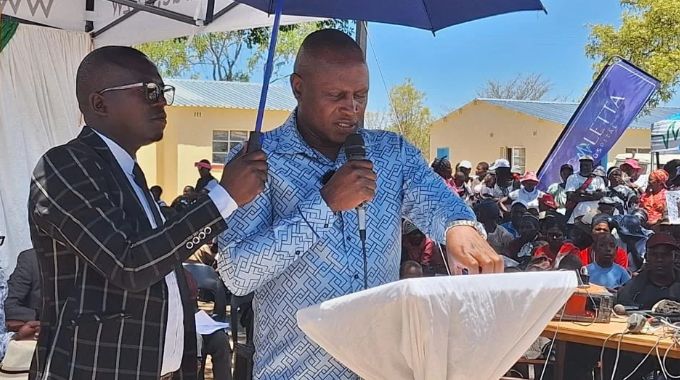
Reverend Clifford Nunu said the clinic was a product of collective effort involving the community, the local authority, Government departments and international partners.
“This clinic was built by the Ngwana community with BBDT in the lead, with the full support of the community, Bulilima RDC, International Organisation for Migration (IOM), the various government departments such as The Ministry of Defence which seconded Zimbabwe National
Army artisans with free labour in various stages of the main structure.
“We also had fellow development associations in Bullilima, our international partners such as PRO
AFRICA Foundation and Moeder Teresa Foundation in the Netherlands, Kutsinhira in the USA and even local churches and businesses,” said Reverend Nunu.
The clinic stands on a site that once housed a colonial-era health centre, which operated from a two-bedroom house.
However, following a historic gun battle between freedom fighters and the Rhodesian Army at Vikani borehole in June 1977, the facility was damaged and subsequently closed.
Rev Nunu said the closure left villagers with no option but to travel long distances to access healthcare.
“From then on, our community had to walk up to 10km to access health services at Ndiweni Clinic,” he said.
He said the opening of the new facility marked a turning point for the community and future generations.
“We are here today to break that history of pain and to resurrect that which was dead to life. Never, never again shall our children, grandchildren, great-grandchildren, and all generations to come, should walk such long distances for health care. As BBDT we vowed that we will not leave our communities the way we found them. This clinic is one such change! Hats off to that,” he declared.
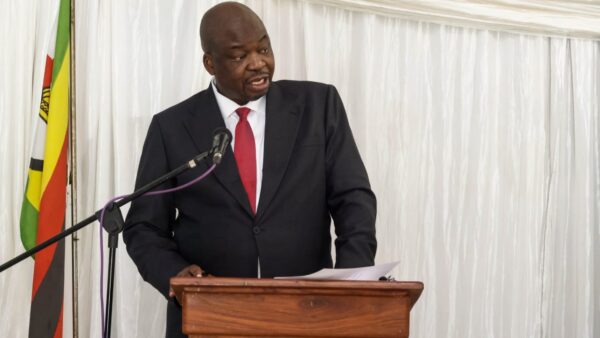
Deputy Minister of Health and Child Care Slaiman Kwindini, who officiated at the commissioning ceremony, hailed the community for working together to bring healthcare services closer to residents.
“This is an important milestone for Ward 21 and a practical demonstration of what communities can achieve when they work together towards a common goal. Today we are bringing essential health services closer to the people of Ngwana, strengthening our primary health care systems and advancing our national commitment to ensuring that every Zimbabwean has access to quality health services,” he said.
He said the clinic would reduce the distances women travel to access maternity services and strengthen immunisation programmes.
The Deputy Minister urged residents to make use of the facility, saying primary healthcare services at clinics were free.
“Our President declared that Primary health is free and that people should not failed to go to clinics and suffer at home. He said he does not want people dying or giving birth at home due to money challenges,” he said.
Deputy Minister Kwindini also said the Ministry was working towards opening a nursing training school at Plumtree Hospital to enable people from the area to train and work closer to their communities.
He assured villagers that doctors would periodically visit the clinic to provide services and warned health workers against mistreating patients.