daniel chigunwe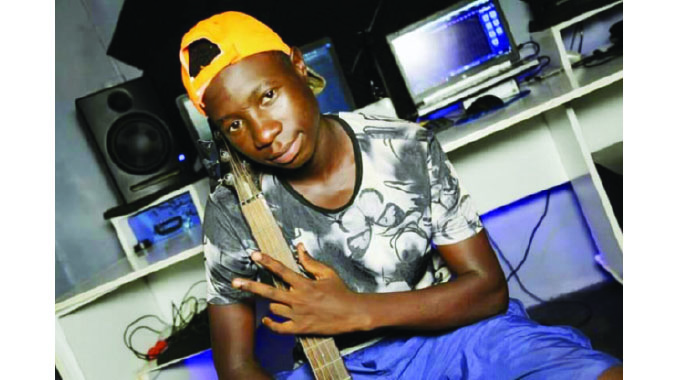
Arts Reporter
Four years down the line after Tedious Matsito passed away and left his band, Ngwenya Brothers in quandary, his son Muchapedza Matsito is promising to resuscitate the band and uphold the legacy of his father.
By the time Tedious Matsito passed away in 2019, Muchapedza was just 17.
The demise of Tedious Matsito led to some band members leaving for greener pastures, the likes of Shame Jonifani popularly known as Mwana Guruve, a talented guitarist, went on to form his own band, while Elias Makusha, the drummer, left the band to pursue his side hustles.
At 21-years now, Muchapedza is vowing to bring back the Ngwenya Brothers in the game and he is set to release his second album on the 29th of this month.
He released his first album in 2021 titled “Mandipa Mukana” with six tracks.
His upcoming album is called “Chinokura Chinokotama” with six tracks.
Some of the tracks are the title track “Chinokura Chinokotama”, “Ndaterera”, “Mambo Ndyire” and “Nguva Yangu”.
In an interview with The Herald Arts and Entertainment, Muchapedza said with his upcoming album, he was going to herald the rebound of Ngwenya Brothers.
“I believe that with my new album, it will be the turning point of Ngwenya Brothers and once again making some waves,” he said.
“I’m very optimistic that the public will not miss my late father because in me they are going to see Tedious Matsito once again.”
Muchapedza said with his new offering, he will play his part to save the sungura genre from extinction.
For the past decade, sungura appeared to be trailing other genres like Zimdancehall, gospel and Zim hip-hop.
“With my new release, I’m sure the sungura genre will be saved and once again compete with many other genres,” said Muchapedza. “You see, in the past 10 years, sungura was behind Zimdancehall and Zim hip-hop, so I’m firing some warning shots to those genres and I believe sungura will rule the music industry once again.”
Muchapedza is grateful to his fans, promoters and other artistes who believe in him and give him maximum support.
He said he was not going to starve his fans and insisted that in his library he had some hundreds of songs.
The Ngwenya Brothers band was here to stay, he said.
“At first, I just want to thank my fans, promoters and other artists who are giving me support,” said Muchapedza.
“I’m promising them that I’m not going to starve them because I have many unreleased songs in my library, so the Ngwenya Brothers are here to stay.”
Muchapedza recorded his new album with the assistance of other doyens in the industry, the likes of Alick Macheso, Somandla Ndebele and Nicholas Zakaria.
Macheso commented Muchapedza as a talented and hard working young man.
Through his manager, Tich Makahadze, Macheso believes Muchapedza will thrive in the industry.
“When I saw him, I saw a raw talent, he is very talented and I believe that in future he will make noise in our industry,” he said. “I gave him some notes to record his album and I believe the public will enjoy it.”
Veteran sungura musician and guitarist Nicholas “Madzibaba” Zakaria applauded Muchapedza for his work.
He said for the past few years, the sungura genre was lacking some rookies and young blood to take it forward.
Zakaria believes that if the sungura genre had more young players it will once again rule the local music industry.
“I’m very happy with what Muchapedza is doing, he is doing a good job to make us remember the Ngwenya Brothers,” he said. “I believe if we have young talents in our industry, sungura will once again restore its pride.”
Another veteran sungura musician, Somandla Ndebele, said he was happy about Muchapedza and in him he was seeing a future star.
He said some veteran musicians were going to hang their boots from the industry, so there was need to have young stars who could fill the void.
“I’m very happy with what Muchapedza is doing, in him I’m seeing a star and I believe when we retire from the industry he will fill up our slots,” he said.
“We are left with some few years in the industry, we are about to retire, so we need some young artistes who can feel our places.”



 Online Reporter