

 Online Reporter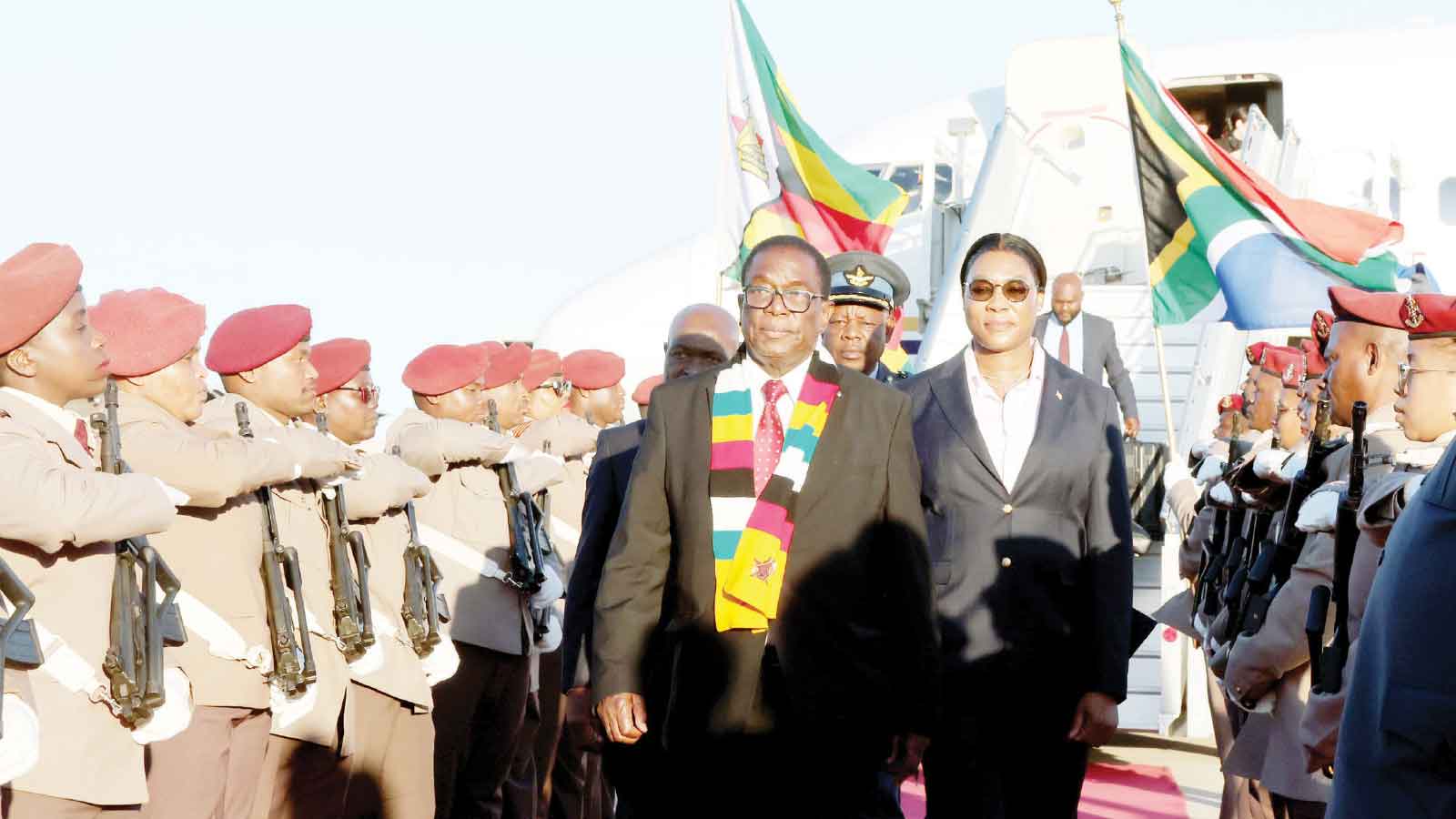
Kudakwashe Mugari in DURBAN, South Africa
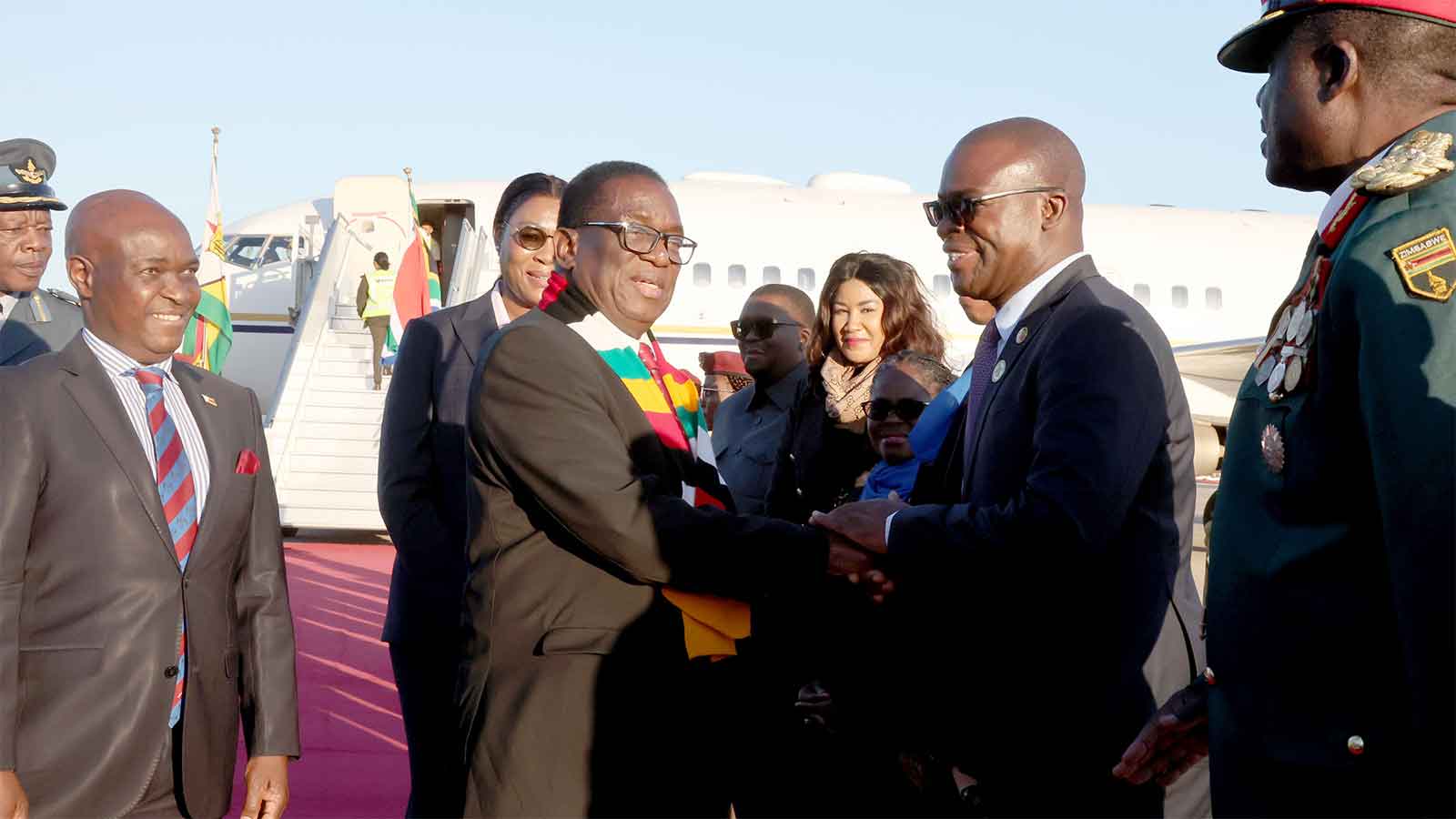
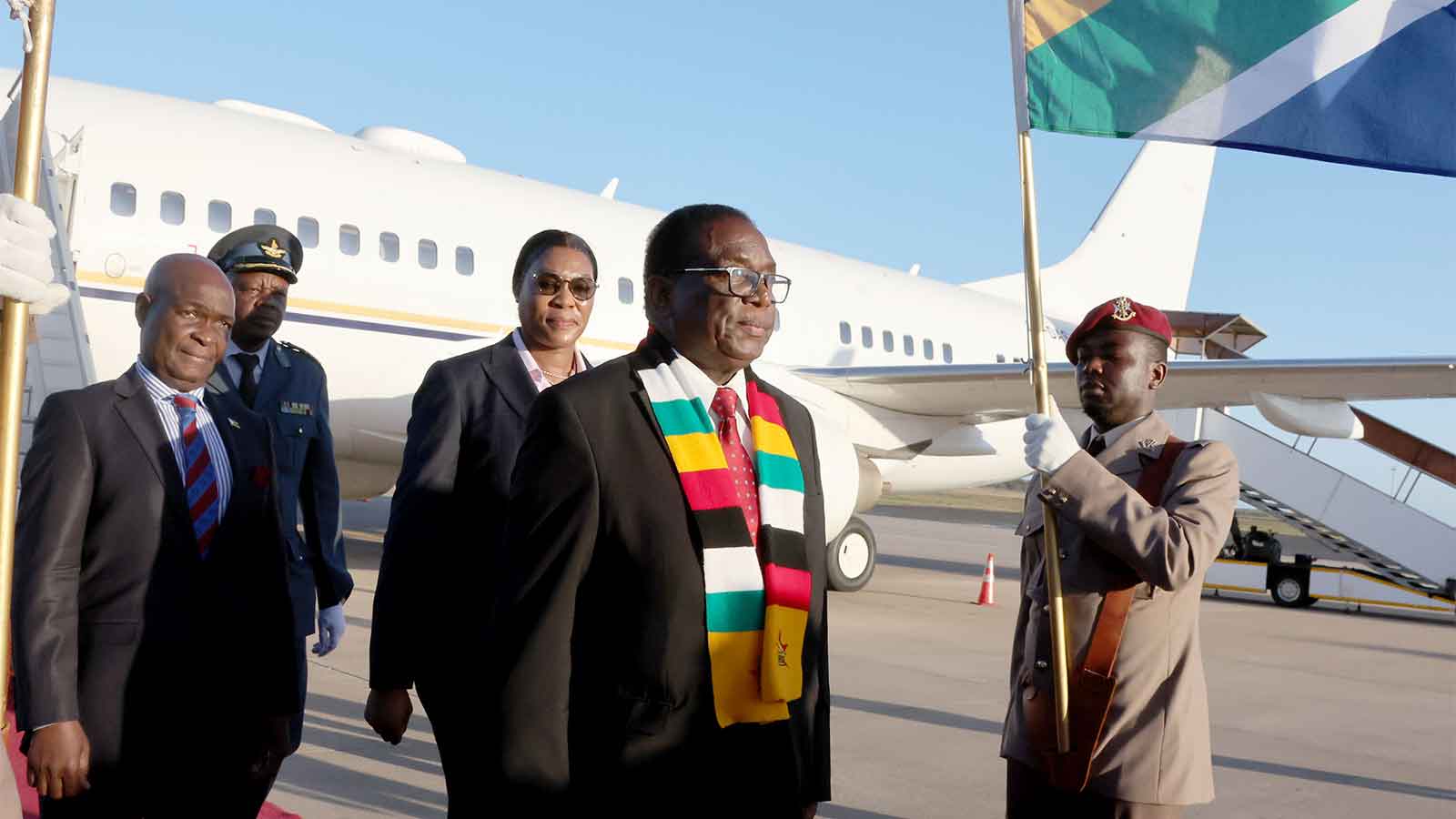
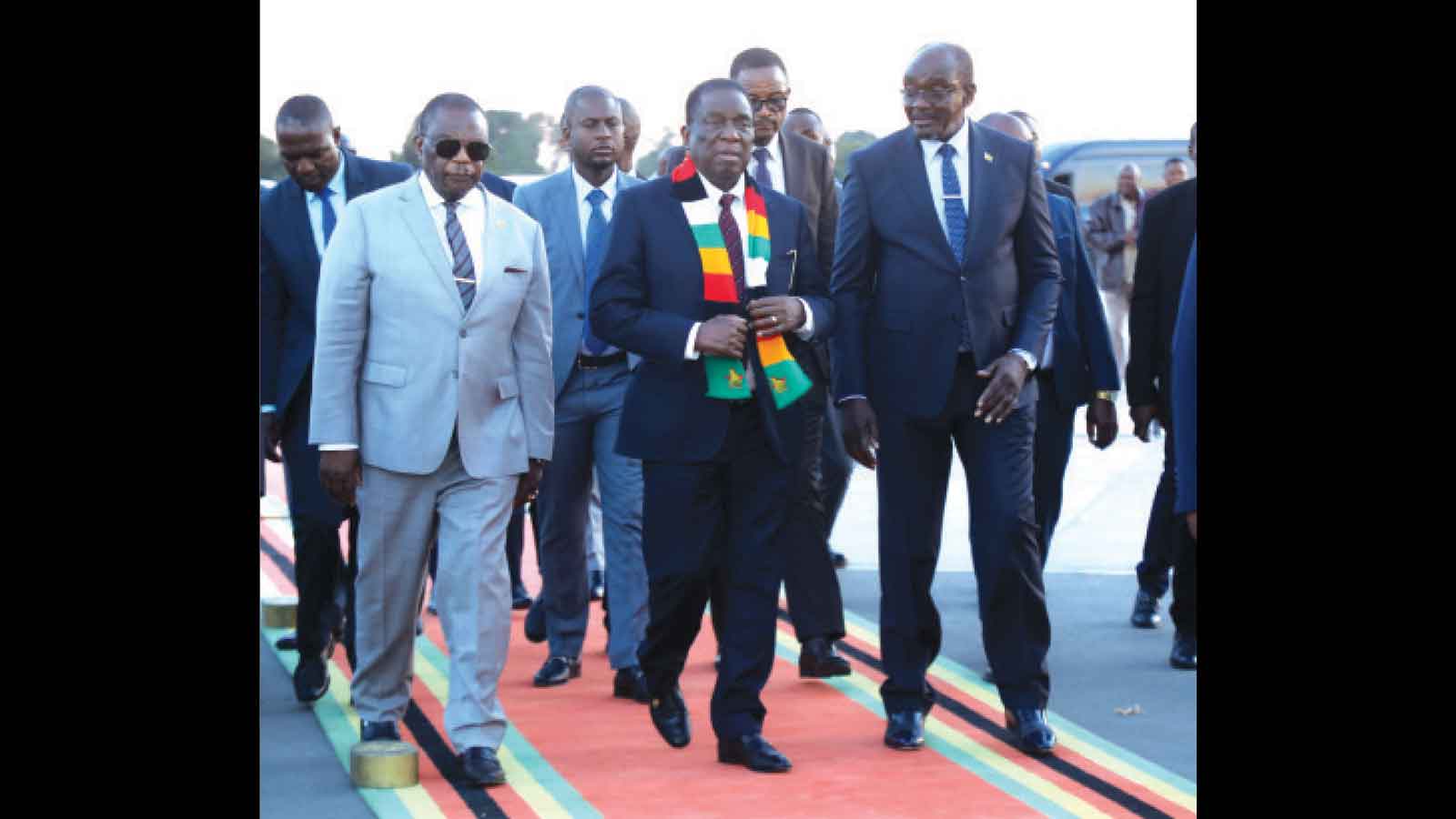
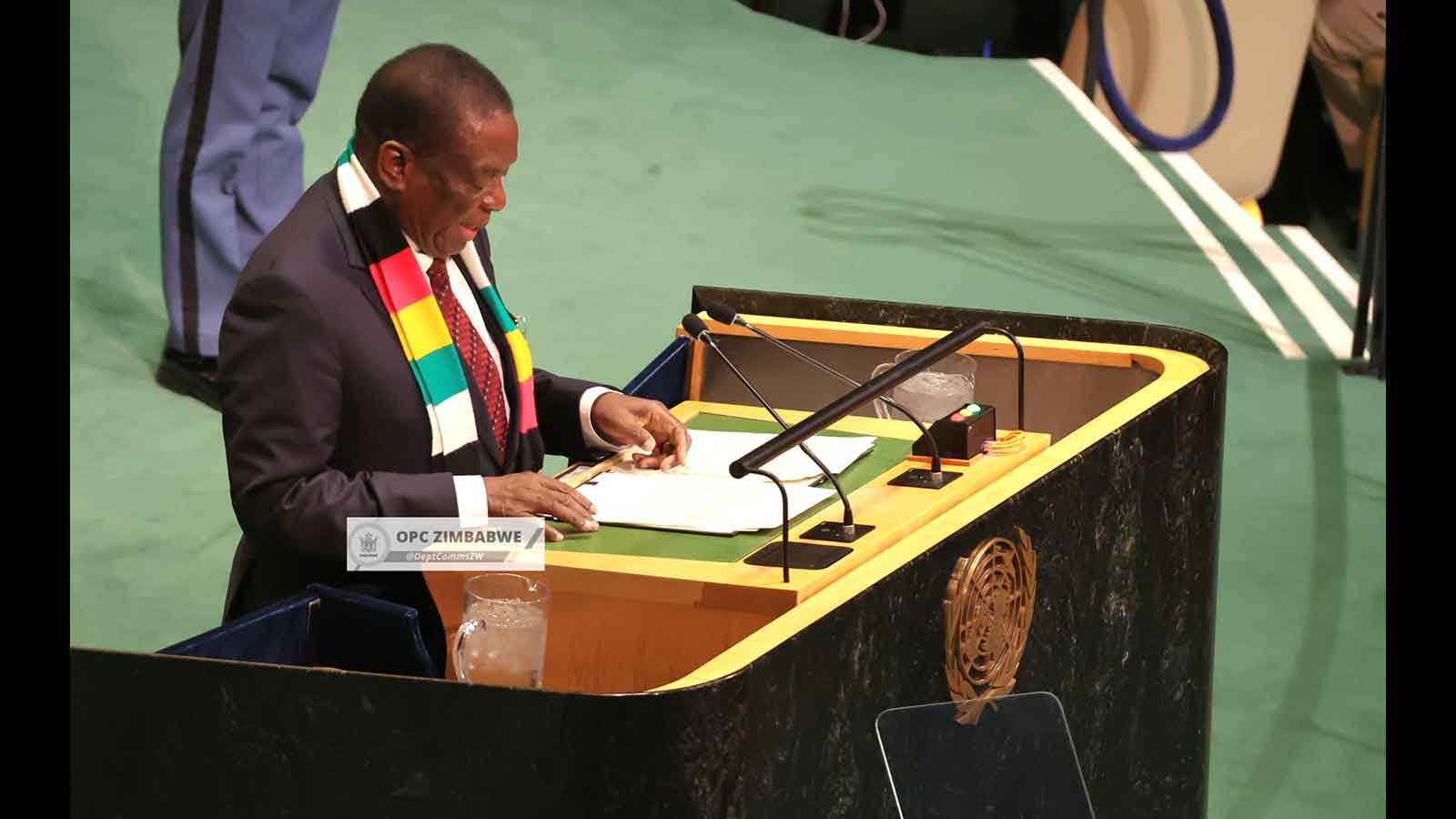
PRESIDENT Mnangagwa arrived here yesterday to attend the 46th Ordinary Summit of SADC Heads of State and Government which is being held today at the International Convention Centre.
South African President Cyril Ramaphosa is set to officially assume the SADC Chairmanship during the summit, having held the position on an interim basis following recent political disturbances in Madagascar.
The gathering also coincides with the anniversary of the transformation of the Southern African Development Coordination Conference (SADCC) into SADC (Southern Africa Development Community), which took place on 17 August 1992 in Windhoek, Namibia.
This year’s summit is being held under the theme: “Resilient, Sustainable and Inclusive Industrialisation through Infrastructure Development, Agricultural and Critical Minerals Transformation in Pursuit of a Just World.”
The President confirmed his arrival through a post on his X handle.
“I have safely arrived in Durban, South Africa, to participate in the 46th Ordinary Summit of Southern African Development Community (SADC) Heads of State and Government.
“Zimbabwe remains deeply committed to driving regional integration. We look forward to fruitful deliberations that unlock the full potential of our shared infrastructure, agriculture, and vast mineral wealth.
“Together, we are building a stronger, self-sustaining SADC ecosystem that leaves no one and no place behind.”
As the supreme policymaking body of the regional community, the Summit provides strategic direction and sets priorities for cooperation and development across Southern Africa.
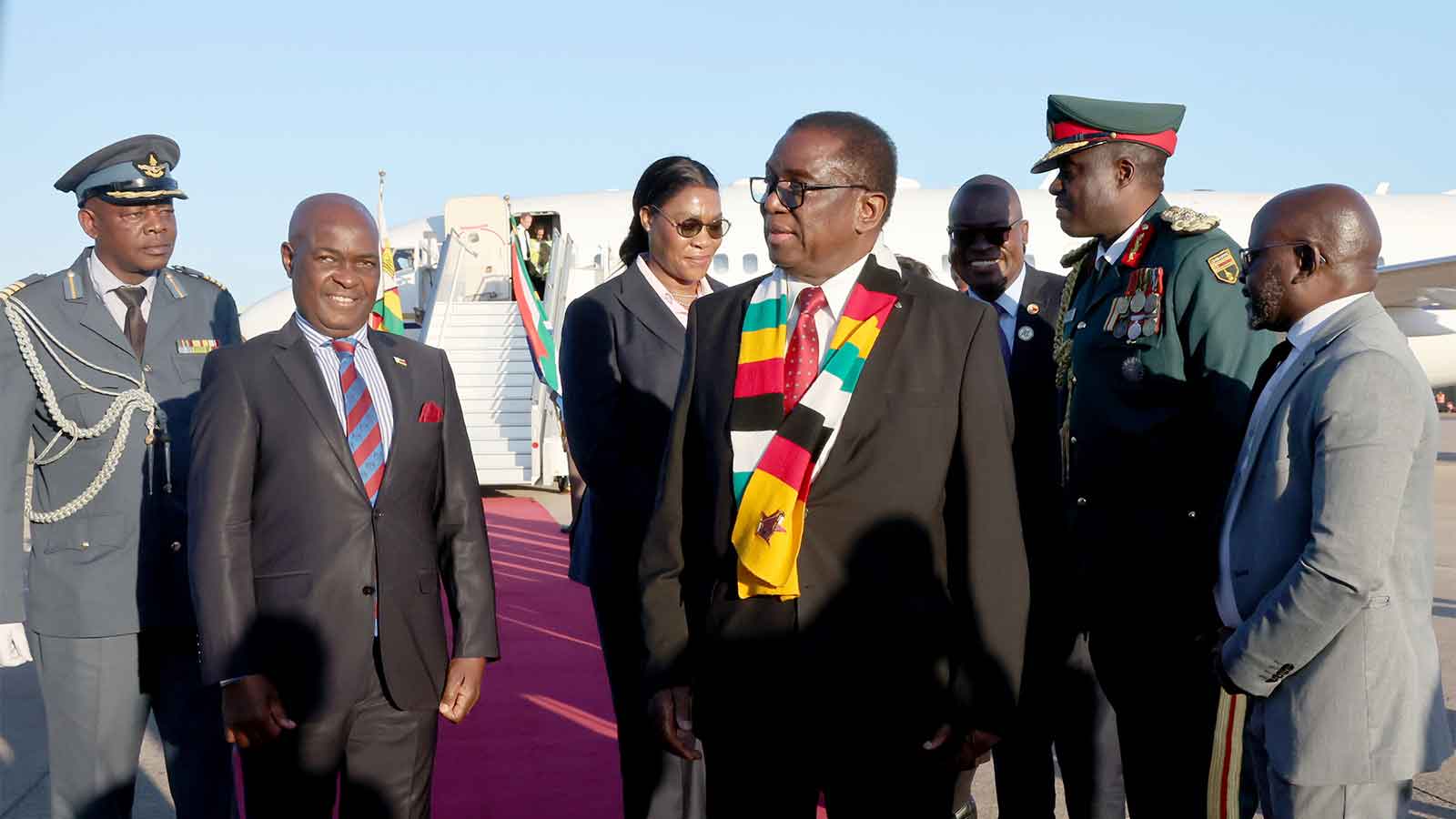
President Mnangagwa was accompanied by Chief Secretary to the President and Cabinet, Dr Martin Rushwaya; Deputy Chief Secretary (Presidential Communications), Mr George Charamba and Attorney General, Ms Virginia Mabiza.
Vice President Dr Kembo Mohadi is the Acting President.
Last night, the President attended a gala dinner hosted by his South African counterpart, President Ramaphosa, alongside other regional leaders.
Ahead of the main summit, Zimbabwe’s Minister of Foreign Affairs and International Trade, Professor Amon Murwira, outlined Harare’s renewed push for SADC countries to achieve regional food self-sufficiency. He argued that member states should focus on commodities where they hold a comparative advantage, building regional value chains rather than operating in isolation.
“For example, there are countries like Malawi, Tanzania and Madagascar who are very good at rice. We could have a rice programme,” said Prof Murwira.
“There are countries like Zimbabwe who are very good at winter wheat. We could be focusing on this for food self-sufficiency.” He stressed that this approach would allow SADC nations to complement one another, reducing the pressure on each country to produce everything independently.
Prof Murwira also called for the aggressive dismantling of both tariff and non-tariff trade barriers among member states, as well as the development of common agricultural programmes, transboundary special economic zones, and regional industrial projects — all in line with the bloc’s Vision 2050.
“We want to bring down trade barriers, both tariff and non-tariff trade barriers amongst ourselves,” he said. “We want to move away even from one-stop border posts to non-stop border posts. That’s integration.”
Prof Murwira made it clear that the era of policy formulation must now give way to tangible action, adding that agriculture is central to industrialisation because food production can supply raw materials for processing industries while reducing the region’s reliance on costly imports.
“It’s now time for implementation. Enough talk of policies. The policies are there,” he said.
The food self-sufficiency drive forms part of four broader pillars that Zimbabwe is championing within SADC: peace and security, industrialisation, infrastructure development, and social and human capital development.
Prof Murwira said the success of the regional bloc should ultimately be measured by its impact on ordinary citizens.
“Joint industrialisation is part of the integration agenda of SADC that we want—a common future where industrialisation is there to provide the basic human needs that we need,” he said.
“SADC must now to go to the people. It has to be felt on the ground.”


There is unreported harassment of Zimbabweans being treated like kids by SA border workers being shuffled around in queues and queues broken and being ordered to keep lining again for no real mature reasons, i recently saw it around mid-August when i visited SA, these include insults and public undressing while Zimbabweans wait to stamp their passports, the problem there is no complaining facility and it keeps going on…i do not see the SADC experience as nice at worst people regret dealing with SA attitude which is now structurally integrated in their border relations…they do not understand the other Africans and what the African continent is really all about
I have seen a lot of noticeable improvements in Zimbabwean lifestyle and if government keep up the gear it seems getting better and ensure development and support reach people on the ground, some of us graduated and the economy begun to shrink from multiple factors and forces we all know..do not forget the older generations in the 40/50s we were not given a better opportunity to work in Zimbabwe yes youth are there but do not let our page remain blank there are many of us and we are struggling to fit or get recognised at our age despite our government funded education all the way to the UZ/NUST of our years among other college graduates..we will be happy to bring our experience in projects and any shared capacity building for new generations..we have the fire and experiences