


 Online Reporter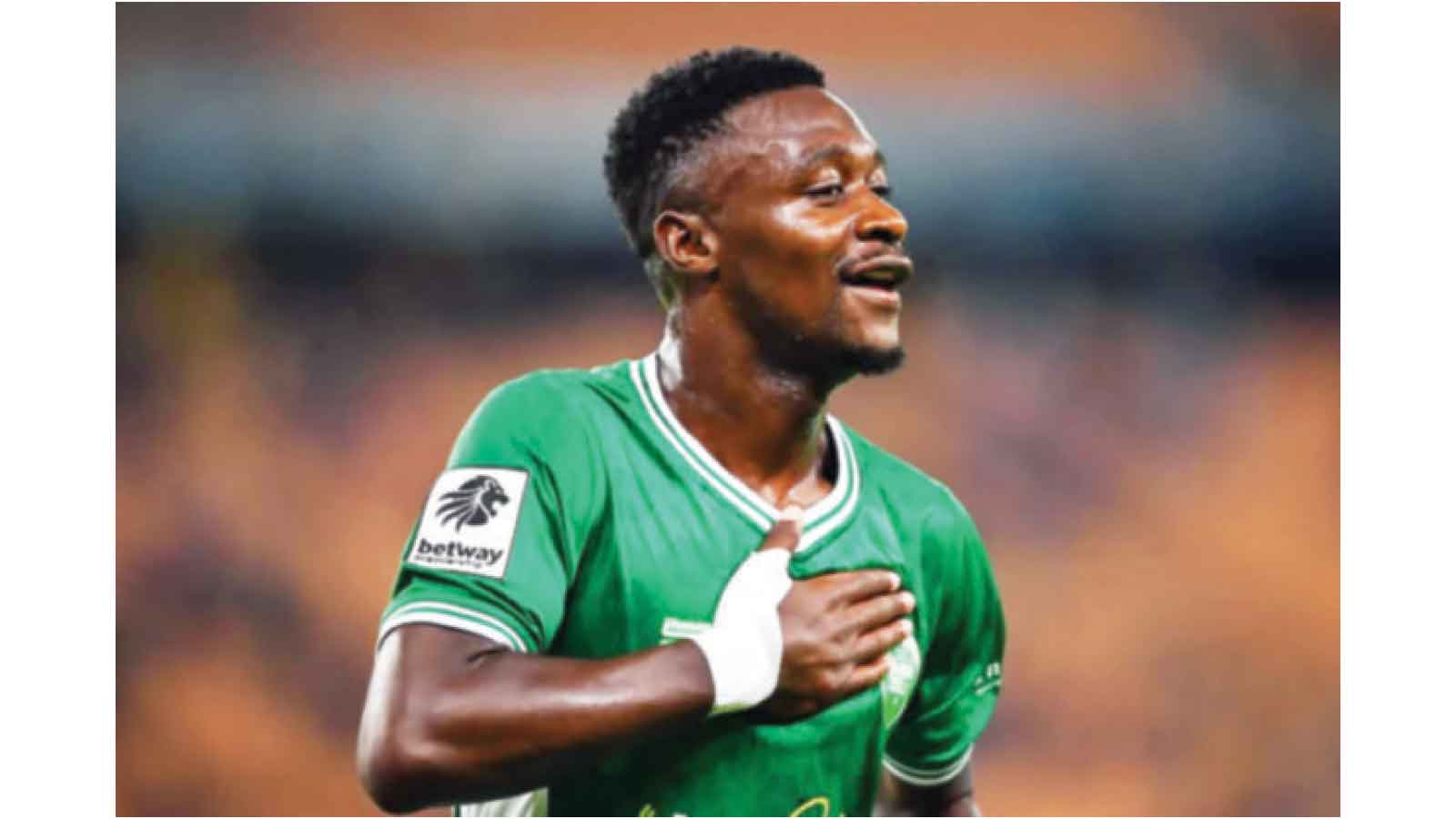
SENIOR national soccer team striker, Thandolwenkosi Ngwenya walked into this weekend’s South African Premier Soccer League fixture carrying a weight no professional athlete should ever have to bear.
In the days leading up to AmaZulu’s 2-0 victory over Siwelele, the young striker found himself at the centre of a storm—vilified online, threatened by faceless cowards, and even publicly criticised by his own coach.
Yet when the whistle blew at Kings Park Stadium on Saturday afternoon, Ngwenya responded in the only language footballers truly know—performance, courage, and contribution.
He provided an assist for the opening goal and then scored the second goal to seal the three points for AmaZulu.
He emerged not as a villain, but as a symbol of resilience.
The death threats he received after injuring Orlando Pirates’ Sihle Nduli were not just disgraceful — they were a sobering reminder of how toxic football discourse can become when passion mutates into hostility.
Injuries are an unfortunate part of the game, not a moral failing. To weaponise them against a player is to abandon the very spirit of sport.
No matter how heated rivalries get, no matter how painful a team’s loss may be, threatening a player’s life is indefensible. It is a stain on the game and on those who claim to love it.
What made Ngwenya’s situation even more troubling was the criticism from within his own camp. When a player is under fire, the dressing room should be the safest place in the world—a sanctuary of trust, unity, and shared purpose.
Instead, Ngwenya found himself absorbing blows from both outside and inside. For a young player still carving out his identity in the South African Premier Soccer League, such public rebuke from his coach could easily have shattered confidence.
Many players would have retreated into their shell, played cautiously, or disappeared from the moment.
Ngwenya did the opposite.
This is precisely why his display deserves applause.
Football is not just about skill; it is about character. It is about how players respond when the world seems determined to shrink them.
Ngwenya showed that he will not be intimidated, bullied, or emotionally derailed. He showed that he is made of sterner stuff than his critics imagined. In a league where mental strength is often overlooked, his resilience should be celebrated as much as his technical ability.
AmaZulu’s victory was important, but Ngwenya’s response to adversity was even more significant.
It sent a message to supporters across the country: players are human beings first.
They feel pressure, they feel fear, and they feel the sting of public condemnation.
Yet they also possess remarkable capacity for courage.
His coach, too, should take note. Criticism has its place in football, but timing and tone matter. When a player is already under siege, leadership demands protection, not public scolding.
AmaZulu have a gem in Ngwenya, and nurturing him will require empathy as much as tactical instruction. If anything, his weekend performance should prompt reflection within the technical team: this is a player who thrives when trusted.



We shouldn’t forget the environment this young player is playing in. I rather would have a live Thando Ngwenya playing cautiously than a dead one who tried to prove a point. South Africa is a merciless society. When one is threatened with death for whatever reason, there are more chances it will be carried out. So it is rather better to remain cautious even when making a comment like the writer did.