Trust Khosa-Zimpapers Arts and Entertainment Hub
THE National Gallery of Zimbabwe has assured stakeholders that preparations to host the 58th Conference of the International Committee for Museums and Collections of Modern Art (CIMAM) are on course, with the gathering set to run from November 20-22 in Harare.
More than 300 international museum directors, curators and art collectors will attend the three-day conference. The event presents a valuable opportunity to showcase Zimbabwe’s artistic heritage, promote local visual artists and expose their collections to the global art community.
Delegates will also tour leading galleries, independent art spaces and cultural attractions, shining a spotlight on the country’s growing contemporary art scene.
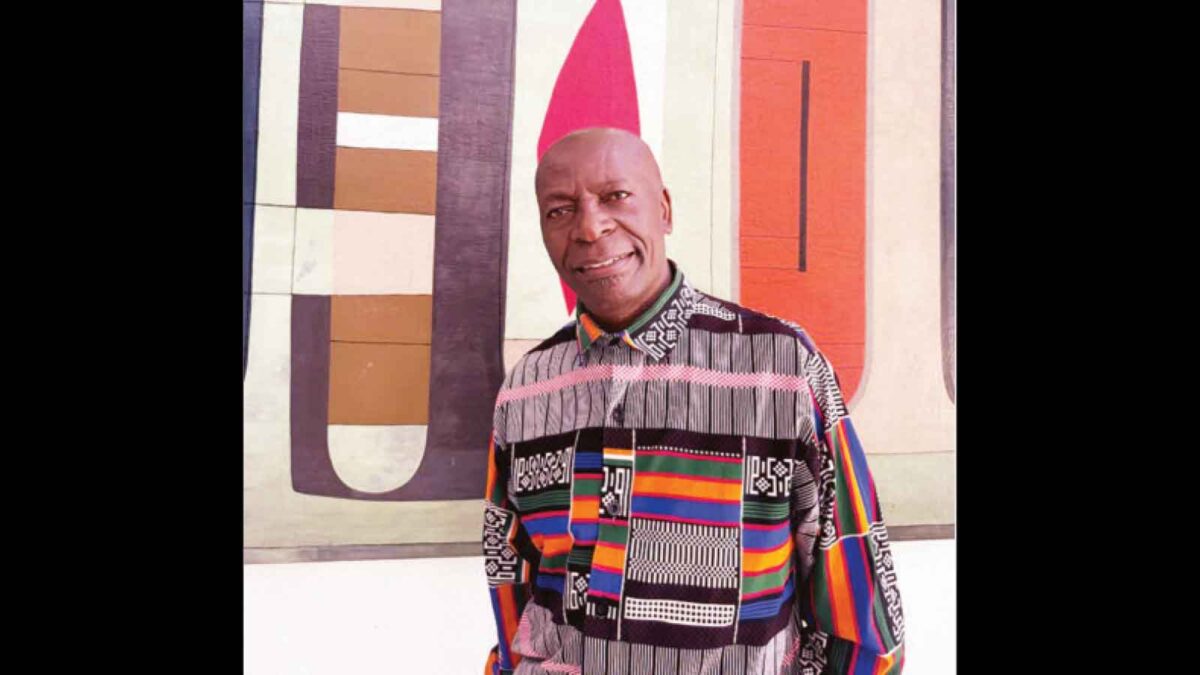
In an interview with Zimpapers Arts and Entertainment Hub, NGZ executive director Raphael Chikukwa confirmed that preparations are at an advanced stage, with only final touches remaining.
“We are simply doing the final touches here at the gallery, as you can see, with the workmen doing their job to perfection,” he said.
“We are expecting close to 300 guests at this conference, which runs from the 20th to the 22nd of this month.
“As it stands, you can see that we don’t have enough time left, so we have to ensure that everything is in place.
“Our guests will start arriving on the 19th and, by Wednesday next week, everything will be on course. We are expecting a successful event.
“It’s a huge milestone to be hosting international visitors in Zimbabwe.”
Chikukwa described the conference as a key platform to market Zimbabwe’s iconic art institutions and tourism attractions, particularly the Great Zimbabwe Monuments.
“We cannot talk about this country’s rich cultural heritage without mentioning places such as the Great Zimbabwe Monuments.
“Of course, we will be visiting local galleries and artists during the event, which will also feature a conference programme, but we won’t forget to market Zimbabwe’s tourism attractions.”
Chikukwa, who has been instrumental in positioning Zimbabwe on the international visual arts stage, said the country is ready to deliver on the conference theme, “Museums Beyond Limits: Imagining Repair Across Cultures, Ecologies and Knowledges”.
Organisers have invited experts to engage delegates on critical issues shaping the future of museums and contemporary art.
“We have invited professionals to reconsider institutional authority, colonial legacies, cultural restitution, ecological responsibility and the relationship between museums and the communities they serve.
“This is meant to preserve Zimbabwe’s artistic history, which encompasses colonial-era institutions, the emergence of internationally recognised stone sculpture, the development of post-independence contemporary art and the growth of independent spaces that have reshaped how artists work and engage with audiences.
“The conference, therefore, presents an opportunity to encounter these histories in the places where they continue to unfold.”
While the NGZ serves as the main venue, several other art spaces will form part of the programme. These include Animal Farm in Chitungwiza, established in 2013 by artist Admire Kamudzengerere as a model of artist-led cultural development combining printmaking, residencies, ecological sustainability and community engagement. Other participating venues include Chapungu Sculpture Park, which preserves the country’s stone-sculpture heritage, Chitungwiza Arts Centre, First Floor Gallery Harare, Village Unhu, Mbare Art Space, Dzimbanhete Arts Interactions, Tarisa Visual Art Studios, Kumba Kwedu and Wallen Mapondera Studio.
These hubs have played a vital role in nurturing local talent and popularising Zimbabwean art globally.
Zimbabwe’s internationally recognised visual artists — including Moffat Takadiwa, Wycliffe Mundopa, Gresham Tapiwa Nyaude, Troy Makaza, Gareth Nyandoro, Kudzanai-Violet Hwami, Wallen Mapondera, Virginia Chihota, Portia Zvavahera and Gideon Gomo — continue to push contemporary boundaries.
The conference offers a major opportunity to strengthen global partnerships, attract interest in local collections and unlock new prospects for the creative sector.