Online Reporter
Peter Matika [email protected]
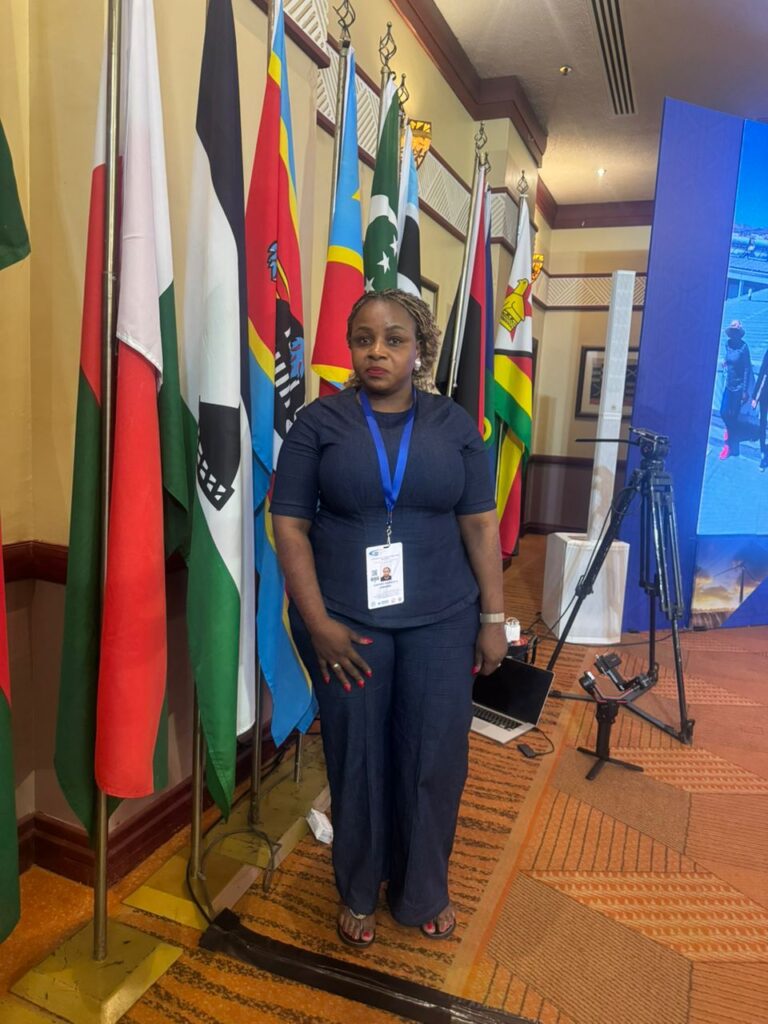
THE National Handicraft Centre (NHC) has intensified its push for a greener, energy-efficient craft industry, with its board chairperson, Sandra Ndebele-Sibindi, attending the SADC Sustainable Energy Week Conference in Victoria Falls.
The regional conference, being held at Elephant Hills Resort, has drawn policymakers, energy experts and industry leaders to deliberate on sustainable energy solutions for Southern Africa.

Ndebele-Sibindi said the NHC is aligning its programmes with national goals to foster a more sustainable craft industry by 2030, in line with Zimbabwe’s broader development agenda.
“The craft sector cannot remain on the sidelines of the green transition. As a centre that supports thousands of artisans, particularly rural women, we must ensure our production methods are environmentally sustainable and energy efficient,” she said.
The NHC plays a pivotal role in developing and marketing Zimbabwean crafts, with a significant portion of the products coming from rural women who depend on the sector for their livelihoods.
Among the key initiatives being championed is the adoption of renewable energy, particularly solar power, for small-scale workshops in rural communities.
Zimbabwe’s abundant sunlight presents an opportunity for artisans to transition from fossil fuels to clean energy sources, reducing operational costs while protecting the environment.
The centre is also promoting sustainable production methods, including the use of natural dyes in textile manufacturing to lower water consumption and reduce harmful chemical discharge.
In line with global best practice, producers are being encouraged to adopt a zero-waste approach by repurposing off-cuts and other waste materials into new products.
Research within the sector has also highlighted the need to reduce heavy reliance on wood, which contributes to deforestation and environmental degradation, and to explore alternative sustainable materials.
Ndebele-Sibindi said environmental impact management remains central to the NHC’s strategy.
“We must protect our natural resources while empowering our communities economically. Sustainability and economic empowerment are not mutually exclusive; they go hand in hand,” she said.
The NHC’s green transition efforts dovetail with Zimbabwe’s National Energy Efficiency Policy (NEEP), launched in 2025, which promotes energy efficiency as a pillar for sustainable development and Vision 2030.
Through its programmes, the centre aims to enhance the livelihoods of crafters by improving production efficiency, reducing costs and expanding access to environmentally conscious markets.
As a hub working closely with the National Gallery of Zimbabwe and local artisans, the NHC is positioning itself to help build an eco-friendly, energy-efficient craft industry.
Stakeholders at the SADC conference will outline ways to work together to support sectors like handicrafts in moving to sustainable energy models, strengthening both environmental protection and economic resilience.