Online Reporter
Elsy Shito and Honorine Ufitamahoro
In the hands of education lies the power to either build a future of hope or shatter the dreams of generations. How can we expect to build a thriving economy and realise the dreams of the Zimbabwean populace when education — the bedrock of opportunity — remains elusive for our most marginalised communities?
Education has long been hailed as the cornerstone of development, a belief strongly championed by Julius Nyerere. Nyerere famously emphasised that education is not merely a means to an end; it is a transformative force that can build nations and empower communities. In the Zimbabwean context, the implementation of educational reforms is not just important; it is imperative for fostering sustainable development and realising the aspirations of the entire populace, particularly the most vulnerable, from the depths of Binga to Chimanimani.
Nyerere articulated that “to educate a person in mind and not in morals is to educate a menace to society.” This underscores the dual role of education as a tool for intellectual growth while also cultivating ethical and socially responsible citizens.
In Zimbabwe, where economic disparities persist, education must fulfil this dual mandate. It should equip young minds with skills and knowledge while instilling values that promote unity and social responsibility, particularly among minority and marginalised groups.
One of the critical challenges facing Zimbabwe is ensuring that education reaches the most underserved segments of society: the poor, the elderly who missed educational opportunities, and rural communities.
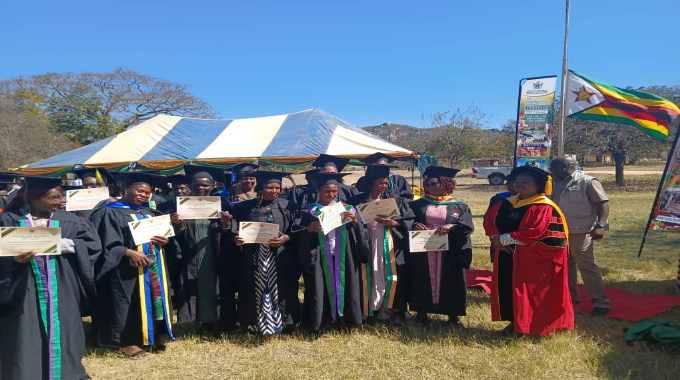
Education must be accessible and inclusive, breaking down barriers that have historically excluded these groups from opportunities. From war veterans to emerging generations, many Zimbabweans aspire to a better life filled with opportunity, ambition, and self-fulfilment, rooted in the belief that education can make it possible.
However, this hope is only valid if the educational infrastructure supports it. By implementing community-based education programmes, adult literacy initiatives, and flexible learning options, the nation can empower individuals of all ages, offering them the chance to improve their livelihoods and reintegrate into society.
The link between education and economic development is well documented. A well-educated workforce is essential for attracting investment, fostering innovation, and driving industrial growth.
By prioritising vocational training and higher education, particularly for marginalised populations, Zimbabwe can empower its youth and adults alike to contribute meaningfully to the economy.
In a country where economic challenges persist, investing in education could yield significant dividends. Such an approach would not only reduce unemployment but also promote entrepreneurship, enabling individuals from underprivileged backgrounds to realise their potential.
Education also serves as a pathway to realising dreams and aspirations. Building a nation through education means crafting a system that allows every child, young adult, and even the elderly to dream big.
Schools must be equipped with adequate resources, qualified teachers, and relevant curricula that prepare learners for the realities of the modern world. Additionally, education programmes should be designed to address the unique challenges faced by the elderly, providing them with opportunities to acquire skills that can enhance their quality of life.
Nyerere reminded us, “We must use our education to empower ourselves and our communities.” This calls for targeted initiatives that prioritise inclusivity, ensuring education becomes a tool for social equity and justice.
To realise the vision of education as a nation-builder, Zimbabwe must reassess its educational priorities. This includes improving access not only for children but also for adults seeking to better their circumstances. Curriculum reforms should address both traditional subjects and the skills required for the 21st century, such as digital literacy, entrepreneurship, and environmental awareness.
There must also be a concerted effort to invest in teacher training and development. Educators are the backbone of any successful education system; without passionate and skilled teachers, the dreams nurtured in classrooms and community centres can easily fade.
Echoing Julius Nyerere’s vision, the future of the nation depends on its ability to harness the transformative power of education — not merely as a path to academic achievement, but as a comprehensive tool for social and economic empowerment.
As Zimbabweans strive to overcome challenges and build a shared future, investing in education for all — particularly the marginalised, the poor, and the elderly — must remain at the forefront of national priorities. Only then can individual dreams intertwine with national aspirations, creating a tapestry of hope, resilience, progress, and development.