admin
admin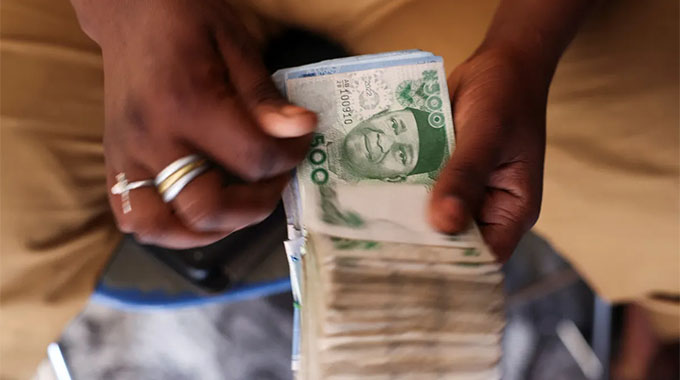
Nigeria’s official currency exchange rate is once again widening a gap with the parallel-market rate, shrugging off a brief convergence spurred by central bank actions.
The naira closed at 743 per dollar on the platform accepted as the official rate by the central bank on Tuesday, according to data compiled by Bloomberg. That’s about 11 percent stronger than the 834 a dollar it fetched on the parallel market, according to Abubakar Mohammed, chief executive of Forward Marketing Bureau de Change in Lagos.
Africa’s biggest crude producer eased foreign exchange controls in mid-June as it sought to simplify its exchange-rate regime. As a result, the naira weakened as much as 40 percent in the investors and exporters window, briefly aligning with the black-market rate. The forex reforms were a key demand of investors and multilateral institutions including the World Bank.
But the removal of the currency peg has so far failed to eliminate a backlog of dollar demand, forcing businesses to turn to unofficial sources. That’s undermining the central bank’s effort to close the gap between the official and black-market rates.
“Customers that have gone to the investors and exporters window and are unable to source forex are coming to the parallel market,” Mohammed said.
The central bank had initially said that it would allow the currency to trade freely until it finds its new market-related level. But its been intervening in the market to prevent sharper losses for the currency, amid concerns a weaker exchange rate would fuel inflation. – Bloomberg
Bloomberg


 Online Reporter