

 admin
admin
Ruth Butaumocho-African Agenda
Gender-based violence, child marriages and spousal killing are on the increase in Africa and even globally, following the introduction of containment measures for Covid-19 in the last two years.
The containment measures that countries put in place to stop the further spread of Covid-19 have seen an escalation in gender-based violence (GBV) against women and girls in Southern Africa.
While countries continue to battle Covid-19 from different angles, gender-based violence is one of the many tragic sideshows playing out in the background as the pandemic takes centre stage.
With no place to hide except being at home, women and girls and in some instances men in intimate relationships are finding themselves at the end of a tight rope, from their partners who are psychological and physically abusing them, resulting even in death.
Cases of gender-based violence continue to soar amid growing concern that the problem can spiral out of control unless urgent and mitigation measures are put in place.
Experienced by women in developed and developing countries in all regions of the world, increasing evidence shows that gender-based violence remains a systemic issue which affects all sectors of society.
Gender-based violence does affect the physical and emotional health of women and ultimately damages communities and societies, unfortunately, despite the known magnitude of the problem, gender based violence remains a contentious societal challenge that is spiralling out of control.
Like its neighbouring countries, Zimbabwe is also battling with the problem of gender-based violence, which has become multifaceted.
Cases are too numerous to mention of reported gender based violence, where children have also been killed in such brutal forms of violence in recent months.
Hardly a week passes without some woman or child being brutally murdered or seriously injured in a domestic dispute.
One of the emblematic cases of gender-based violence occurred this week when a Gweru man on Tuesday chopped to death his wife and two children with an axe before the third child escaped and was saved by neighbours.
Whilst it is not yet clear what could have prompted the murder, the incident comes hardly weeks after a Harare man, Tinashe Ruzaya Paunosvisva of the Ushewekunze area killed his wife Ronah Masango with an axe while their two minor children watched in horror.
Paunosvisva early this week committed suicide in Beitbridge after he failed to cross into South Africa.
Such brutal incidences of gender- based violence, especially against women and girls, call for community vigilance in identifying potential cases of domestic violence that can be dealt with before lives are lost.
It is sad when communities turn a blind eye to explosive and very dangerous domestic disputes which rage for years, for fear of being labelled “marriage wreckers”, when they can actually intervene, report or counsel the couple. For all what it is, the surge in gender-based violence cases in such difficult times where communities are battling the effects of Covid-19, have not only upended lives of the victims, but also those of their children and families, turning into a cycle of violence and social trauma.
For a country that has an avalanche statues and legal instruments against gender-based violence, the vice should not be as problematic as it now, and should actually be nipped in the bud.
Zimbabwe’s Domestic Violence Act is among a coterie of pieces of legislations that seeks to protect victims and ensure that they are saved from further harassment and abuse, while the country’s Anti-Domestic Violence Council, established in 2009, oversees implementation of the law.
On a continental scale, the African Charter, the Maputo Protocol, the Convention on the Elimination of All Forms of Discrimination against Women (CEDAW) and other regional and international instruments, to which Zimbabwe and other African countries are signatories, provide for mechanisms to address violence against women, gender discrimination and structural inequality
Such progressive laws should not be allowed to gather dust, but should be used against malcontents within our society, that continue to perpetuate domestic and gender based violence, at a time when there is global consensus that such primitive and retrogressive practises should not be allowed to continue.
No one should be above reproach when it comes to gender-based violence and that alone should encourage victims to report abuse when they can still can.
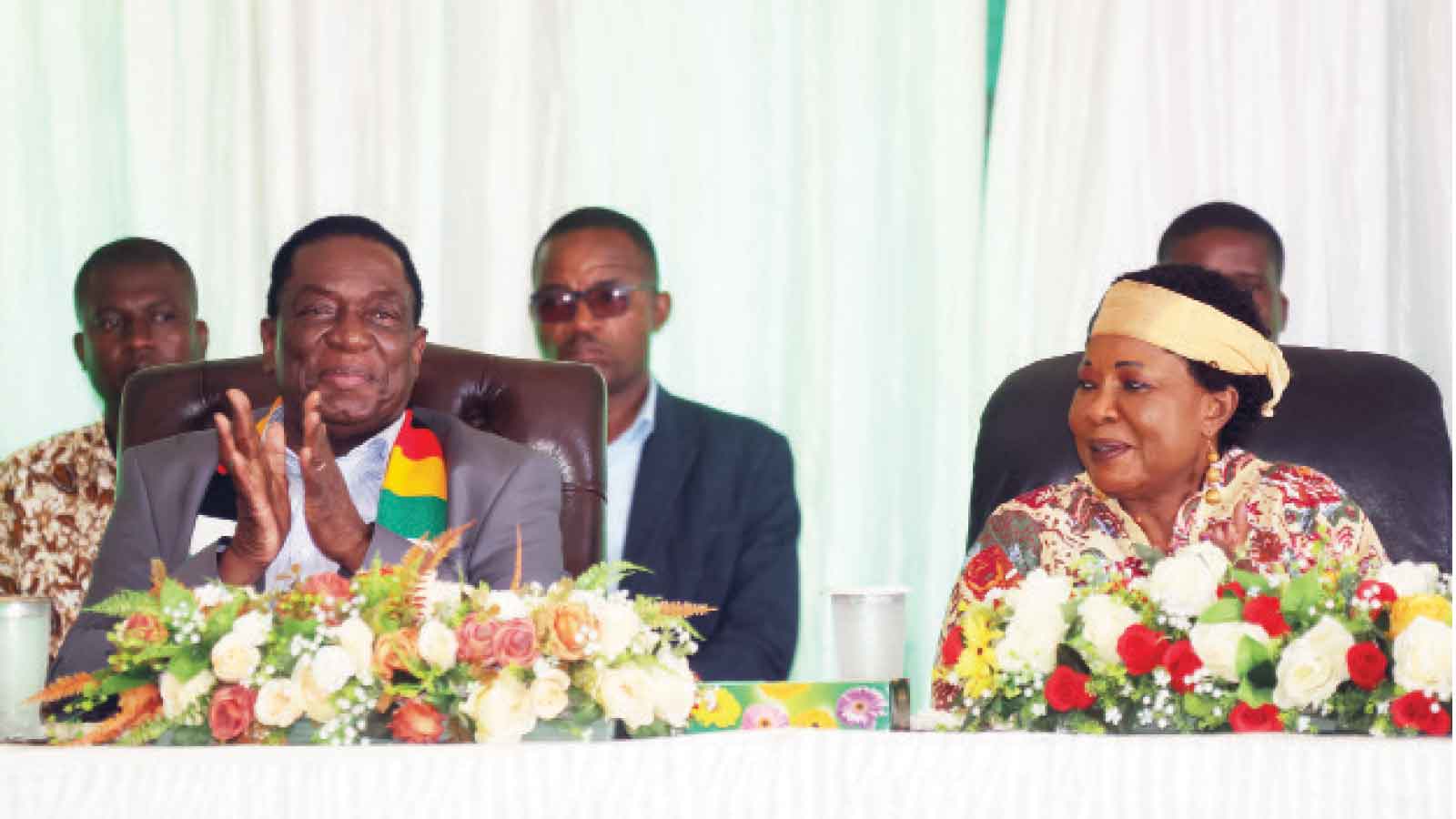
In the same measure, the Government through President Mnangagwa, has shown commitment to eradicate gender based violence by adding its call against this heinous act and supporting all the necessary programmes to end the vice.
On several occasions, President Mnangagwa have spoken strongly against perpetrators of gender-based violence. The President recently reiterated the same message when he officiated at the launch of Spotlight Initiative High Level Political Compact.
“Zimbabwe is committed to see the realisation of the global aspiration demonstrated through the adoption of Sustainable Development Goals, specifically Goal Number Five which focusses on gender equality and its associated targets on ending violence against women and girls,” he said.
“My Government is equally ensuring the mainstreaming of gender across the implementation of the 2030 Agenda for Sustainable Development. Today we therefore recommit ourselves to this cause by making a declaration through the high level political compact on ending gender-based violence and harmful practices.”
With such clarion call coming from the highest office, the fight against gender-based violence should not be lost to translation, but requires everyone to join hands to fight the beast in our midst.
It is within the same token and space that the nation should also call to an end harmful practices that hinder girls’ progress and rob them of the freedom to explore the increasingly connected world and the opportunity to change the trajectory of their communities and countries as change-makers, innovators, and leaders. Once the girls and women have been liberated from harmful practices, a positive trajectory of gender equality will take shape, which then informs the need for a violent free society, when people treat and respect each other as equal beings.
We need a paradigm shift which totally acknowledges that gender -based violence has no place in our society and should be condemned in the strongest terms.
While there may never be a universal template in the fight against gender-based violence, Zimbabwe should work towards a brave world, in which it should call GBV a great shame which has no place in a nation that has steadily progressed towards gender equality.
Feedback:[email protected]


 Online Reporter