

 Chronicle Editor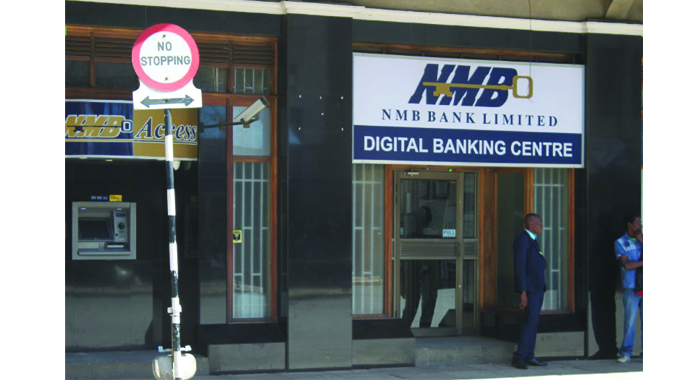
Business Writer
LISTED financial services provider NMB says its main subsidiary, NMB Bank Limited remains well capitalised with a total capital adequacy ratio of 27,79 percent indicating that discussions with various providers of debt financing are at various stages of completion.
It expects that draw-downs will commence in the third quarter of the year.
“The main subsidiary, NMB Bank Limited remains well capitalised with a total capital adequacy ratio of 27,79 percent. Risk-weighted assets stood at $1,2 trillion, up 675 percent from December 2022 levels.
“The bank is in discussion with various providers of debt financing and the discussions are at various stages of completion. It is expected that draw-downs will commence in the third quarter of 2023,” reads part of its half-year financial statement.
According to the mid-term monetary statement, as of June 30, 2023, 15 out of 18 banking institutions excluding POSB, reported core capital levels that were above the minimum capital requirements.
The deadline for compliance with the minimum capital requirements by non-compliant banks was extended by a further 12 months to December 31, 2023, to allow for the completion of the recapitalisation processes.
According to the central bank thresholds, tier one banks, large indigenous commercial banks and all foreign banks are now required to have US$30 million minimum capital.

Tier two commercial banks, merchant banks, building societies, development banks, finance and discount houses are now required to have a US$20 million minimum capital, while Tier three deposit-taking microfinance banks, such as Get Bucks, are required to have US$5 million minimum capital.
NMB said it achieved operating income of $283 billion in the first six months of the year from $51 billion recorded in the comparative period. The operating income was driven by a significant increase in interest income and continued growth in fees and commission income. In the period under review, total assets increased by 145 percent to close the period at $1 trillion largely responding to inflation and movements in the exchange rate. Loans and advances closed the period at $363 billion, up 151 percent from December 2022 levels.



 Online Reporter
 derick.khumalo