admin
admin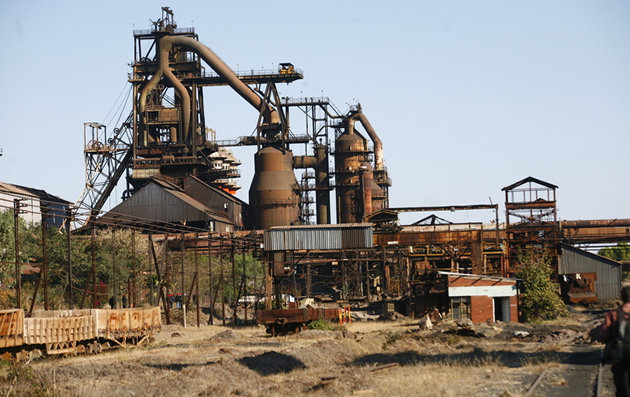
The year 2015 will mark exactly four years after Government and Indian conglomerate, Essar Africa Holdings, put pen to paper in a deal that put smiles on the faces of millions of Zimbabweans – the revival of Kwekwe-based steel manufacturer, Ziscosteel.
After a number of failed deals with other potential suitors, a rescuer had finally come to the aid of the defunct steel giant.
At the time in 2011, the Ziscosteel revival deal was estimated to be worth over $750 million and promised to resurrect economic activity not only in the small town of Redcliff but in the Zimbabwean economy as a whole.
This was one of the biggest ever foreign direct investment deals that Zimbabwe clinched in the aftermath of the imposition of sanctions on the country by the United States and the European Union following a strain in political relations.
Its timeous and effective implementation, analysts said, could have opened doors for other investors to come into the economy.
The collapse of Ziscosteel, re-christened NewZim Steel after the Essar deal, had had ripple effects on a number of companies, which depended on the steel maker for their survival.
But four years down the line, after the ink on the papers on which the deals where signed at a ceremony presided over by President Mugabe, nothing but only the name of the company has changed.
The firm remains a shell of its former, there is no smoke coming out of its chimneys, and its workers are scavenging for survival.
Some have even referred to the NewZim Steel plant as a museum for those interested in history.
Stories have been told and continue to be told by Government and Essar about why nothing has taken off till this day.
There has been a change of Government ministers in charge of the portfolio under which Ne Zim Steel falls, from Welshman Ncube during the era of the inclusive Government to Mike Bimha.
But the story remains the same – no smoke, no production at New Zim Steel.
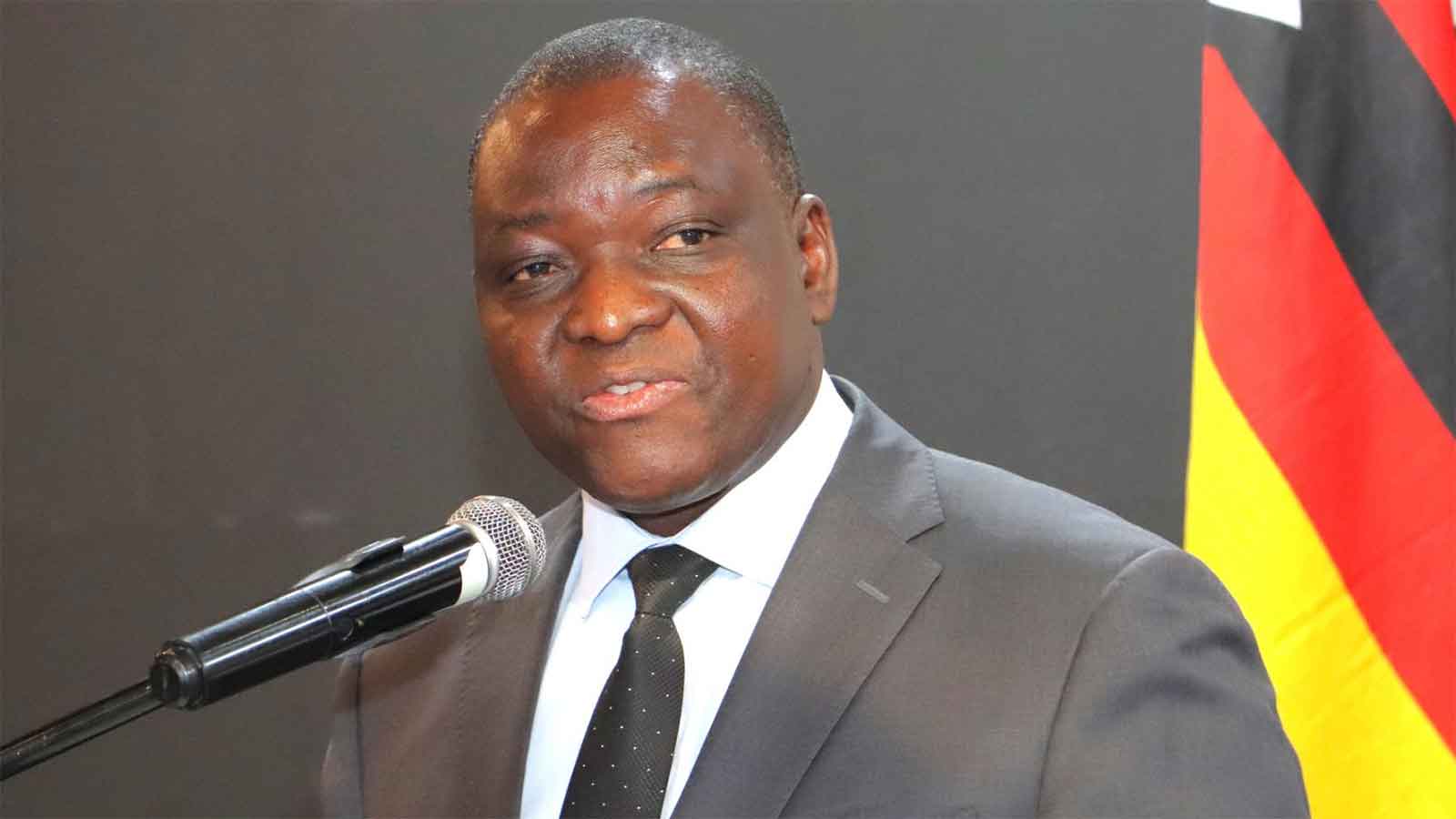
Bimha has said the steel giant is starting afresh and will only commence production of liquid steel in 2016.
“As per the original bid provisions, the initial phase of the project will involve the revival of NewZim Steel to a production capacity of 500 000 tonnes per annum within 24 months which would be increased to 1.2 million tonnes per annum in the second phase,” Bimha said in May last year.
Bimha and his lieutenants have called for patience in the revival of the steel giant but time appears not on their side.
There continues to be a flood of conflicting reports on actual progress that is being made in terms of overhauling the NewZim Steel plant in preparation for production.
Industry has prayed for the rejuvenation of the steel firm, touted as Africa’s second biggest producer at its peak in the 90s.
Resumption of production at NewZim Steel will have a ripple effect on the economy.
Firstly, Essar has promised it will create over 6 000 jobs when the company reopens.
Besides this, other local companies such as the National Railways of Zimbabwe, the steel industry in general and the construction industry will also markedly benefit from the steel makers revival.
Most players in the economy have been forced to import steel-related products which they once used to acquire locally and cheaply, which is straining their business.
The nation’s hope remains pinned on Minister Bimha’s words, that come next year, the steel market will once again do what it has always done best and end years of false starts and false hopes that the nation has had to endure over the years.
Faced with the threat of de-industrialisation, companies closure left, right and centre, Minister Bimha has the revival of NewZim Steel as his major ticket for his name to be engraved in the annuls of the country’s industrial history. – New Ziana.


 Online Reporter