

 admin
admin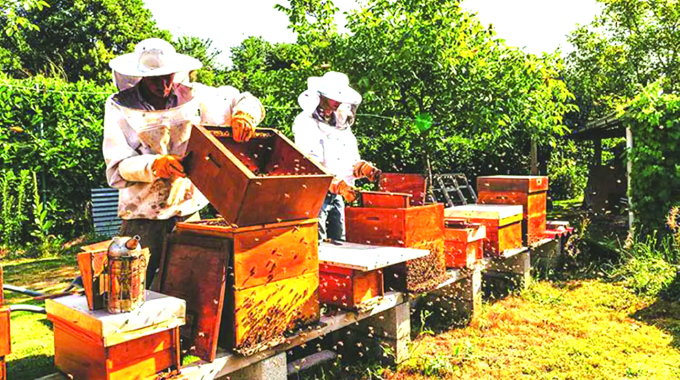
Obert Chifamba Agri-Insight
THE boot is on the other foot for the rural horticulture sector!
After decades of subsistence production characterised by the occasional random sale of surplus produce to local consumers or nearby urban areas, the rural horticulture sector is now transitioning into a commercial entity, thanks to the concerted efforts by various stakeholders including Government to change the production model.
This shift from the traditional model of production will unsurprisingly see communities embracing new horticultural crops and broaden their markets from the occasional local buyer to organised selling of produce that will see them dealing with big businesses and even going across the borders.
Obviously such a shift will also come with its benefits — the foreign currency component that will be realised through exporting produce to international and regional markets.
Under the current drive, the Agricultural Marketing Authority (AMA) has been mandated to establish fresh produce markets for crops produced under the Presidential Rural Horticulture Scheme, which takes the burden of searching for markets from farmers.
When operating at full throttle, the horticulture gardens that are part of the community integrated farming hubs consisting of solar powered borehole, fowl run for free range chickens, fish ponds, orchard and apiculture will be expected to generate a gross income of US$16 000 per village.
Of course for the successful roll out of these interventions, the communities need to accept that the time when farming was done just to realise enough for the belly and maybe sell a bit of the surplus, if any, to the local market is gone.
As custodians of the programme, the communities need to invest both time and other crucial resources to make sure the crops ranging from fresh vegetables to fruit trees receive proper care that will allow them to realise expected yields.
The fruit trees that farmers will receive under the programme should be protected from roaming animals especially during the dry season while special attention will also be vital in protecting them from the perennial rampaging veld fires that have become synonymous with every dry season.
It is a fact that farming is now a full time business requiring farmers to make those sometimes drastic and unpopular decisions that meant to put smiles on their faces later after they start bearing fruit.
The change from general farming to a business approach also comes with a new culture of doing things in which every activity has to be monetised on the backdrop of business practices.
Essentially, this kind of mentality will feed into the current horticulture recovery plan, which is part of the Government initiatives under the Agriculture and Food Systems Transformation Strategy (2020-2025).
The initiative is designed to transform agriculture from a US$5, 2 billion to a US$8, 2 billion sector that will contribute 20 percent of the gross domestic product (GDP) by 2025 in line with the vision of making Zimbabwe an upper middle income economy by 2030. The Presidential Rural Horticulture Transformation Plan, for instance, which is set to be rolled out this summer cropping season will boost rural incomes, improve family nutrition and open the way for local processing of foods.
The scheme will see 2, 3 million households benefiting from fruit production and village nutrition gardens with orchards and nutritional gardens expected to be generating an average of US$2 000 a year to each rural family by 2030.
Under the programme, each family will receive 10 saplings of apple, granadilla, pecan nuts, apple, guava, mango, lemon, avocado pears and macadamia trees.
Of course the allocation of trees will depend on the suitability of the fruit tree variety for the agro-ecological region and the potential income to be generated.
The first phase of the programme running to December this year has a target of 500 000 seedlings while a total of 35 000 gardens will be established and each will be equipped with a solar borehole, cattle water trough and an ablution facility. Each garden will cater for a village, school or youth ward centre.
The programme will effectively revolutionise rural agriculture, which will see remote areas of the country being transformed into exotic fruit production hubs that will be pivotal in boosting food security and nutrition while generating incomes for the smallholder families. Some of the communities currently boast forests teeming with deciduous fruit trees that they have been harvesting and selling so the arrival of exotic fruits on the scene will certainly bring more benefits in terms of both nutrition and incomes.
But the farmers will obviously need to explore markets as groups until such a time that they would have broadened their scale of production to allow individuals to produce enough volumes to trade on their own.
Groups will give them more bargaining powers and also promote a high exchange of production and marketing intelligence.
The programme’s success will not be realised overnight but will secure the future of the communities in terms of nutrition and socio-economic realities.
The aspect of food security and nutrition will inevitably go beyond the household, as farmers who would have produced in excess can always share the fruits with other communities and get some earnings in the process.
This programme may also be heralding the beginning of processing — drying, canning and bottling of agricultural produce in communal areas. The recently commissioned Mutoko vegetable and fruit processing plant becomes an example of the new latitude of doing business in line with the changing economic trends that require rural communities to become self-styled industrial hubs that create employment for locals and contribute to the mainstream national economy.
The programme will need the buy-in of all stakeholders to be successfully rolled out and eventually help improve health and boost incomes contributing to the eradication of poverty and unemployment among the rural communities.
On the one hand, the roll out of the programme is also bringing with it vital crucial infrastructural developments with the Ministry of Lands, Agriculture, Fisheries, Water and Rural Development working with the Zimbabwe National Water Authority (Zinwa) to undertake accelerated irrigation development around major dams (154 000 hectares) and rural horticulture schemes through enhanced borehole rehabilitation and drilling by providing 10 additional rigs for conducting ancillary activities.
Zinwa is in fact targeting to drill 35 000 boreholes across the country by 2025.
The Ministry has since indicated in its State of Preparedness document for the 2021/22 summer cropping season that there is need to provide Zinwa with additional resources to undertake the accelerated irrigation development bearing in mind that production of fruits, vegetables and other horticultural products for export has to be revived.
The sector also expanded with major investment from the private sector and the Government under the Horticulture Recovery and Growth Plan.



 Online Reporter