Online Reporter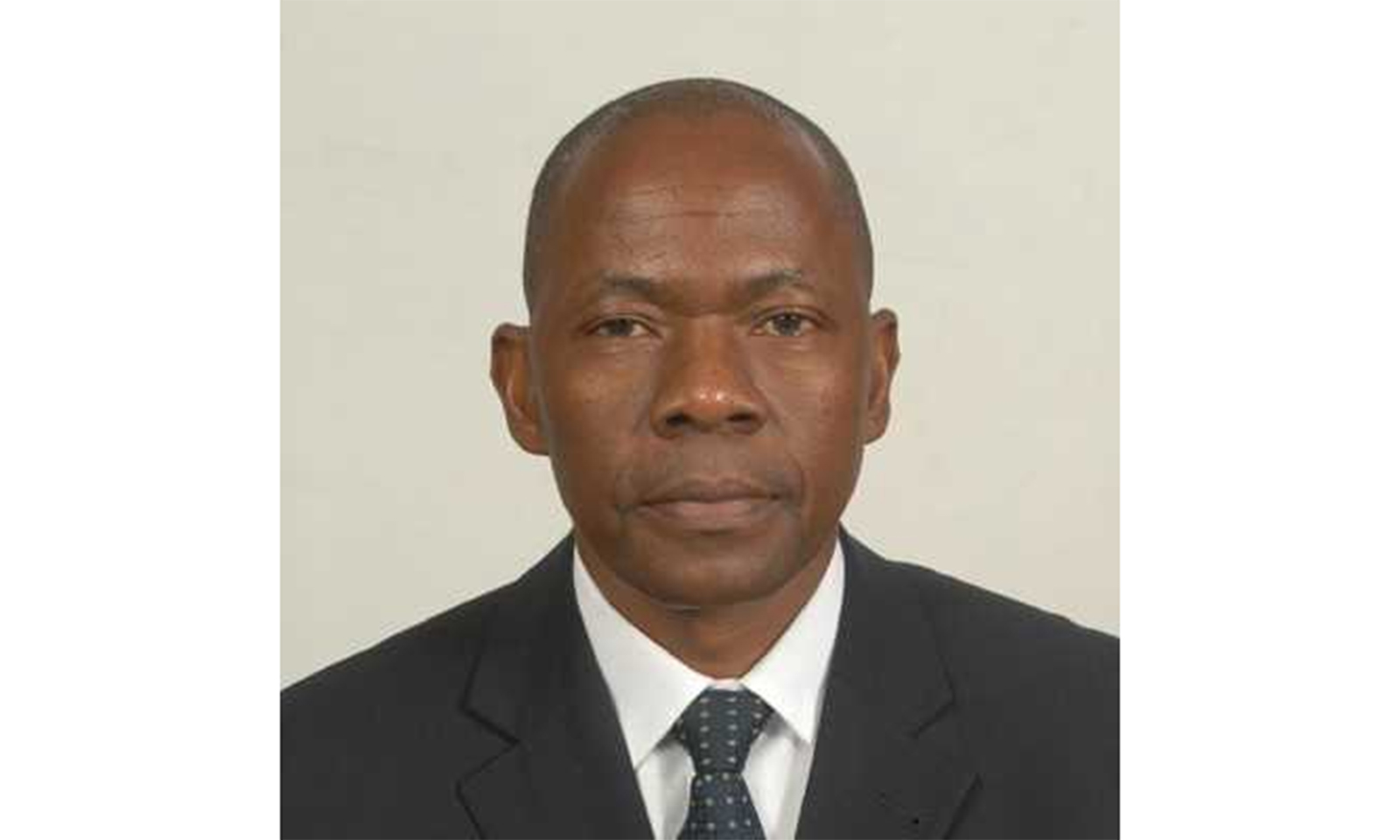
Golden Sibanda
ZIMBABWE has no intention of abandoning plans to return to an exclusively domestic currency monetary regime, with the central bank reaffirming its commitment to maintaining the gradual transition until 2030.
As it forges ahead with promoting wider use of Zimbabwe Gold (ZiG), the central bank said there was no going back on the plans, stressing everyone must “understand and internalise” this.
The bank recalibrated the country’s monetary regime in April last year, relaunching the domestic currency by scrapping the inflation-weary Zimbabwe dollar.
RBZ Deputy Governor Dr Innocent Matshe, in his closing remarks after presentation of the 2025 Monetary Policy Statement (MPS) by the apex bank’s Governor, Dr John Mushayavanhu, last week said a return to a full domestic currency regime was critical to achieving faster and sustainable economic growth.
This comes after President Mnangagwa, in 2023, extended the use of foreign currency in settling domestic transactions and payment of goods and services until December 2030.
This was done through Statutory Instrument 218 of 2023, which amended provisions of an earlier regulation that had set 2025 as the deadline for the multi-currency system, which had seen banks scale down on US dollar-denominated loans.
According to the central bank’s official data, the greenback presently accounts for about 70 percent of domestic transactions, while ZiG, introduced in April last year, accounts for the remainder.
Zimbabwe adopted the multi-currency regime in February 2009 as inflation took its toll on the economy, amid throttling Western sanctions prompted by the United States and Britain’s opposition to the country’s Land Reform Programme aimed at resettling the landless majority, with the economic embargoes weighing heavily on the economy.
However, economic experts and key stakeholders agree that Zimbabwe may never achieve quicker and sustainable economic growth using a foreign currency as its anchor unit of account, more so one of the world’s strongest, the US dollar.
The Western sanctions on Zimbabwe, especially through the US’ Zimbabwe Democracy and Economic Recovery Act (ZDERA), means Zimbabwe remains encumbered to obtain adequate foreign exchange inflows to support its economy.
For instance, ZDERA directs an American official seconded to a multilateral institution to veto a decision to extend financial assistance to Zimbabwe.
The Western economic embargo has resulted in the collapse of more than 100 correspondent banking relationships key to the flow of foreign exchange into the country, making the dominant use of an elusive foreign currency, especially the greenback, counterproductive.
Importantly, the overbearing use of foreign currency in the economy limits the central bank’s capacity to use the relevant monetary policy tools to influence interest rates and liquidity in the economy, yet such tools are prerequisites for dictating a country’s desired pace of growth.
It is against this background that Dr Matshe said there was no other viable option than to endure pain and ensure the success of the domestic currency and make it the sole unit of account by 2030.
“If we are going to progress, we need to put our shoulders to the wheel and get it moving. We cannot develop using another country’s currency. That is something that we need to understand and we need to internalise.
“There is no going back on the targets set by His Excellency for 2030. The Governor (Dr Mushayavanhu) has said we do not want 2030 to be an event, he means it, it has to be a process and we do not want to feel it when we get there.
“There would be administrative measures for that to happen; it should happen through the market and through that process,” Dr Matshe said.
Dr Mushayavanhu said the 2025 MPS was a result of the RBZ’s Strategic Plan (2025-2029), with particular focus on ensuring the bank goes back to the basics and does only what it is mandated to do.
“I did tell you in my maiden monetary policy that it is not my job to do other people’s jobs. We are going to do only that which is expected of the Reserve Bank in the Reserve Bank Act and that is, the first pillar, consolidating price, currency and exchange rate stability.”
He added the bank would also focus on enhancing monetary stability, research, policy and data integrity, as well as maintaining safety, soundness and resilience of the financial sector “to make sure banks do that which they are supposed to be doing”.
As part of the monetary policy interventions, Dr Mashayavanhu reduced the exporter forex retention threshold to 70 percent from 75 percent, in line with measures to support the wider use of the domestic unit in the domestic economy.
The thresholds will be gradually reduced, as the circulation of ZiG grows until it comes to zero. The bank has also built its reserves from roughly US$200 million to more than half a billion US dollars, a demonstration of its commitment to transition to full mono-currency by 2030.
Further, the bank has indicated plans to ensure that ZiG becomes the reporting currency for all entities operating in Zimbabwe, while every trader is now required to own a point-of-sale (POS) machine to allow swipe transactions, including those for ZiG.