Online Reporter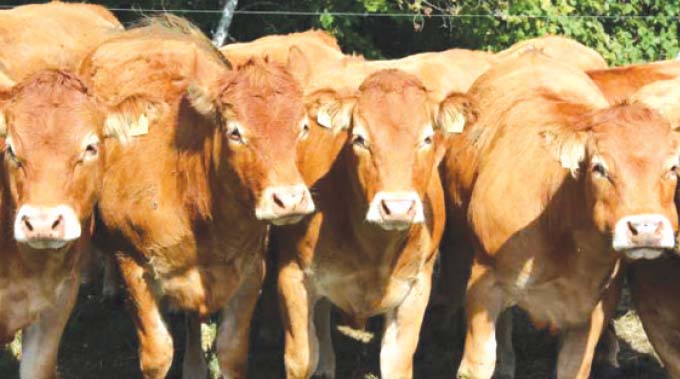
Precious Manomano
Herald Reporter
Government has assured Zimbabweans that no stray cattle will be killed either in the country or in neighbouring Botswana.
This announcement comes as part of heightened efforts to combat the spread of Foot and Mouth Disease (FMD), which has recently been reported in Botswana.
Lands, Agriculture, Fisheries, Water, and Rural Development, permanent secretary, Professor Obert Jiri, highlighted that robust surveillance measures have been implemented along the borders to safeguard livestock.
“We do have a Memorandum of Understanding with Botswana to ensure that stray cattle along our borders are taken care of,” he said.
“When our cattle stray to Botswana, they are kept there, and vice versa. Of course, we isolate them, and during that quarantine period, they are assessed for diseases like FMD.”
This collaborative agreement ensures that no cattle will be harmed during border crossings. The protocol specifies that both countries will care for strayed cattle in quarantine, with regular discussions on their management.
“No cattle will be destroyed by crossing any border, nor are they transferred back to the country,” Prof Jiri reaffirmed.
FMD poses a significant threat to livestock, with its presence reported in eight out of nine provinces in South Africa.
The viral infection affects cloven-hoofed animals, including cattle, goats, sheep, pigs, and antelopes, causing severe clinical symptoms in cattle.
Wild buffalo are known to be primary reservoirs of the virus in Southern Africa, facilitating its transmission to domestic animals.
In a recent interview, the Department of Veterinary Services’ chief director Dr Pious Makaya, underscored the need for heightened surveillance at the borders.
“The Zimbabwean Directorate of Veterinary Services remains vigilant and intensifies FMD surveillance along the South African and Botswana borders, strengthening movement controls and awareness campaigns,” he said.
The economic implications of FMD can be severe, particularly affecting beef exports and leading to trade embargoes that limit the movement of livestock and related products. To mitigate these risks, the DVS has established a high-alert surveillance system and conducts regular preventive vaccination programmes.
Mr Makaya advised farmers to dip their cattle emphasising the importance of strict adherence to animal health regulations.
FMD is characterised by painful blisters and lesions in affected animals, leading to severe health issues and in extreme cases, death.
As Zimbabwe’s national beef herd continues to grow, compliance with animal health acts is critical to protecting both farmers’ livelihoods and the health of livestock.
The DVS remains committed to safeguarding the nation’s agricultural assets, ensuring that the potential threat of FMD is effectively managed through ongoing vigilance and preventive measures.