Online Reporter
Chronicle Reporter
ZIMBABWE’S drive towards an empowered and prosperous society under Vision 2030 requires a generation of sober, skilled and productive youths, with communities being urged to confront drug and substance abuse while creating practical pathways for young people to earn a living.
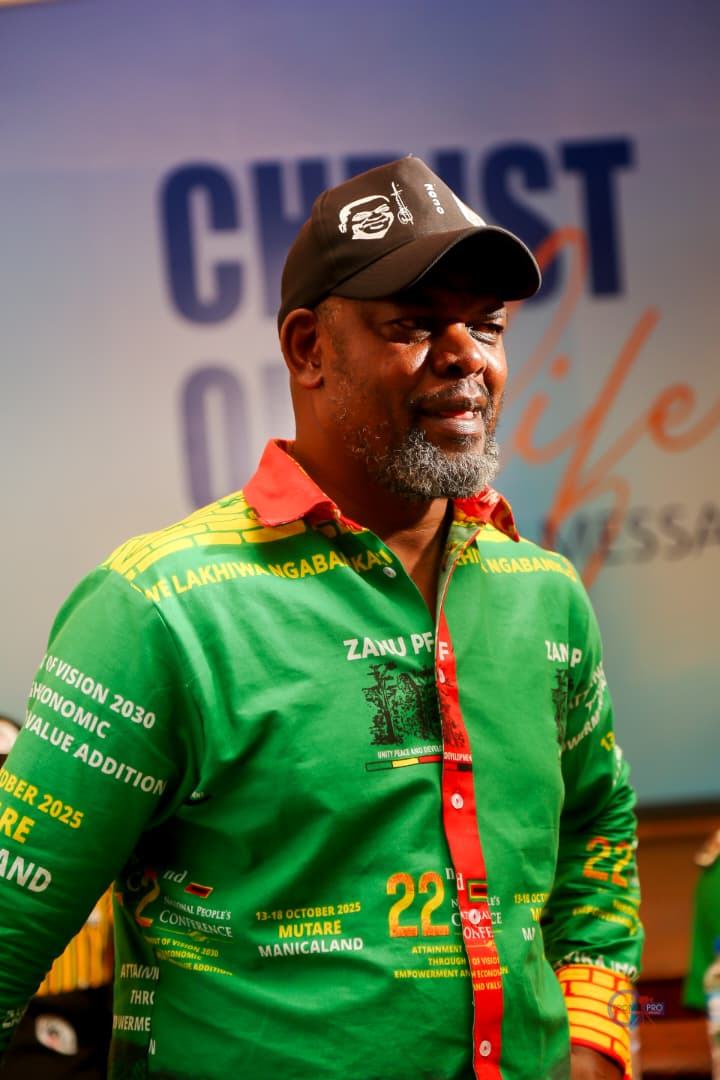
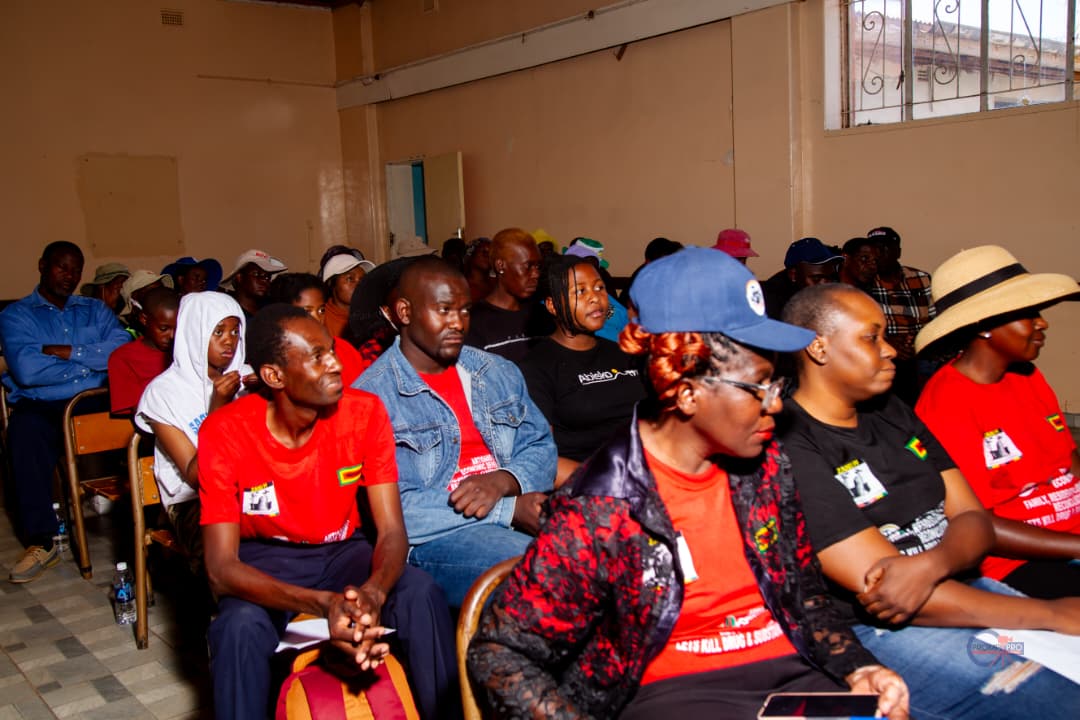
The message came through strongly in Ward 2, Bulawayo, at the weekend where residents, families, churches, Government departments and artisans converged at Montgomery Hall for the “Residents, Family & Community Reconciliation: Let’s Kill Drug and Substance Abuse” launch.

The gathering went beyond raising awareness about the dangers of drugs, placing skills development and economic empowerment at the centre of efforts to protect young people from substance abuse.
Artisans For Economic Development (AFED) national chairman, Tendai Matanga, linked the fight against drugs directly to the country’s development aspirations, stressing that young people must be equipped to become active participants in building the economy.
“No sober, skilled youth – No Vision 2030. Nyika inovakwa nevene vayo/ilizwe lakhiwa ngabanikazi balo, brick by brick,” he said.

The message resonated with the event’s emphasis on practical skills as an alternative pathway for youths who might otherwise be vulnerable to drug and substance abuse.
During the event, showcased skills in carpentry, welding, baking and solar, demonstrating how vocational skills can translate into livelihoods, entrepreneurship and productive participation in the economy.
The initiative immediately produced tangible results, with 20 skilled youths in need of capital to start small businesses registering with AFED.
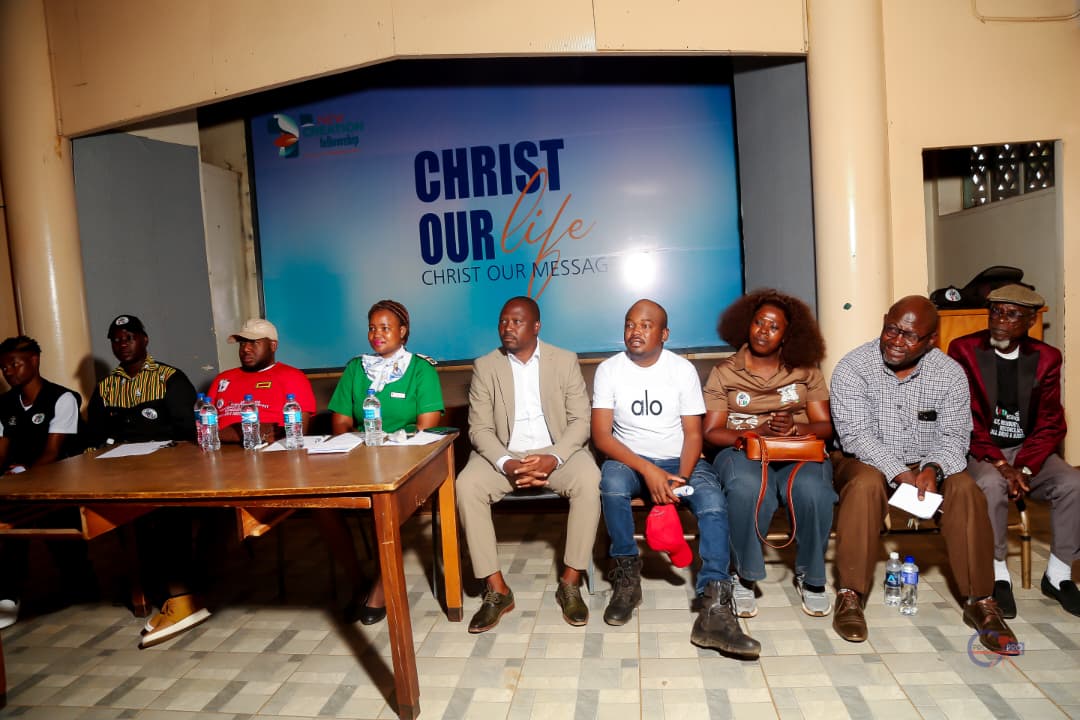
Their registration is expected to be followed by efforts to link them with capital or starter kits, while AFED plans to establish a Ward 2 Skills and Empowerment Desk.
The event also gave young people a platform to articulate their own message against drugs, with young Chloe Saushoma delivering an emotional poem titled “Put Down The Drug, Pick Up A Skill”, drawing tears and applause from the packed hall.

Her message captured the central thrust of the gathering — that fighting drug abuse must go hand in hand with giving young people viable alternatives through education, vocational training, entrepreneurship and access to economic opportunities.
The campaign also underscored the importance of a coordinated community response, bringing together the police’s Drugs and Narcotine Department, Department of Social Development,
Psychiatric Services, United Bulawayo Hospital represented by the Sister in Charge,Ward Councillor, churches and AFED artisans.
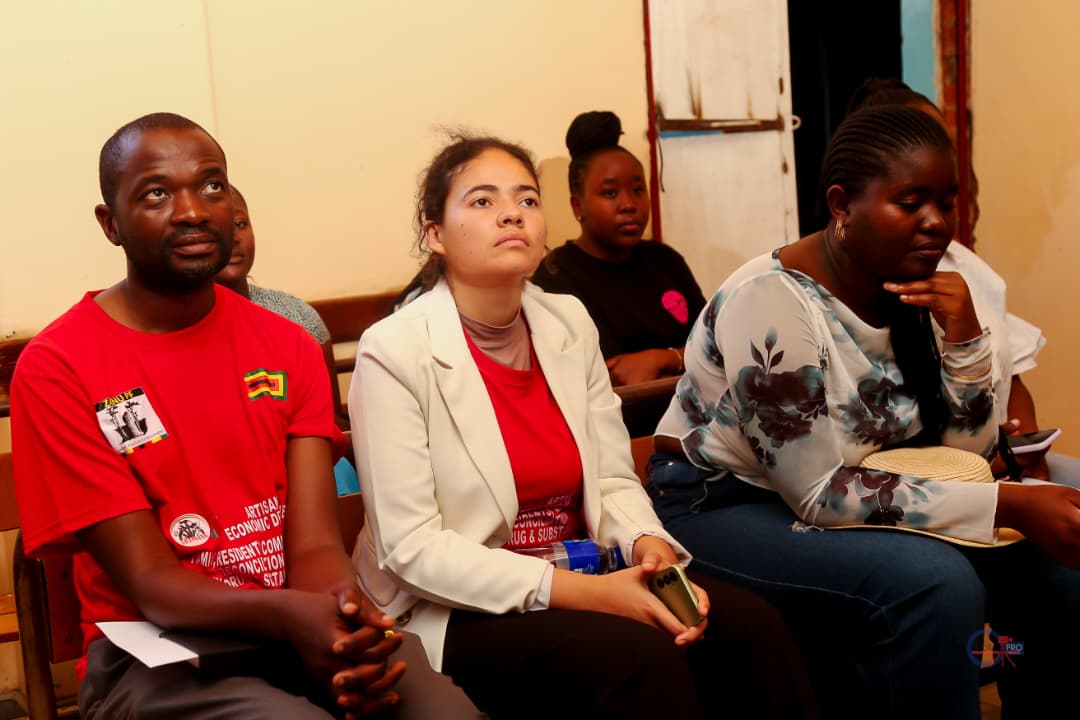
The involvement of health, social welfare, law enforcement, religious and community structures highlighted the need for families and institutions to work together in confronting drug and substance abuse.
A solidarity message from Harare province secretariat further demonstrated the campaign’s wider reach, with AFED positioning the initiative as a national movement against drugs.
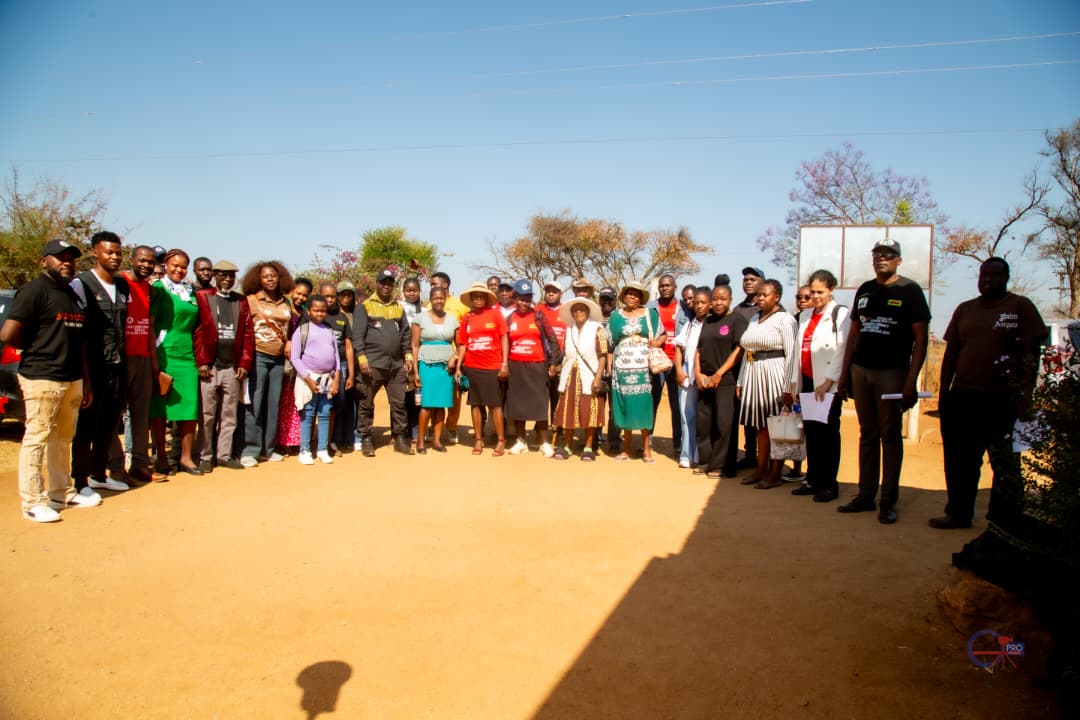
AFED secretary for information and publicity, Mr Edward Saushoma, who was director of ceremonies said beyond the launch, the next phase would focus on practical follow-through, including linking the 20 registered youths to capital/starter kits, follow-up family counselling and reconciliation, and establishing the AFED Ward 2 Skills and Empowerment Desk.
He said the approach places young people at the heart of both the fight against drugs and the country’s economic transformation agenda, reinforcing the message that skills, enterprise and productivity can provide a constructive alternative to substance abuse.
As Zimbabwe pursues Vision 2030, the Ward 2 initiative has framed the challenge in simple terms: “Put Down The Drug, Pick Up A Skill — Towards Vision 2030!”