

 admin
admin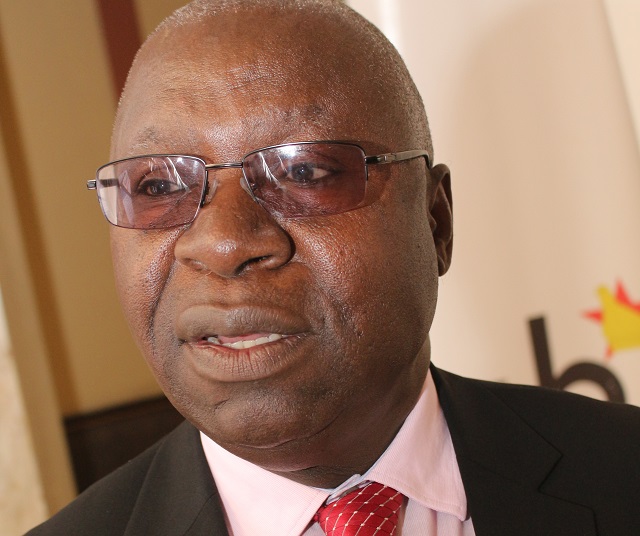

Lovemore Zigara, Midlands Correspondent
The Government has started reviewing the level of compliance of companies who were awarded independent power producers (IPPs) licences with a view to cancelling those held by non-performing licence holders.
There are over 30 companies who were awarded IPP licences by the Government but some 95 percent of the projects are yet to take off, a senior Government official said.
A few projects have been implemented where small hydro power projects in the eastern highlands are now operational, said Energy and Power Development Ministry permanent secretary Mr Partson Mbiriri.
He said the Government was scrutinising the licence holders on a “case by case basis” and warned that some will be cancelled for failure to implement projects on time.
“A number of reasons account for the non-implementation of some IPPs projects and unless there is a justifiable reason, we need to look at a case by case basis licensing.
“Where there is no appreciable movement in terms of implementation of the licensed project and then at some point in time the regulatory authority must cancel (the licence) and some have already been cancelled,” said Mr Mbiriri.
He would not disclose the names of cancelled licence holders but said further issuance of IPPs will be informed by a new renewable energy policy, which is currently being crafted.
“We are reluctant to continue issuing licences in this environment. Equally in the limited implementation of what we have realised and policy position in respect of renewable energy policy, which we are currently making consultations also addresses the issue of how we should assess IPPs.
“We are exploring ways of whether we should follow the route of unsolicited bids, which we are currently using or we should go for auctioning where we have a site and the best bidder would win,” Mr Mbiriri said.
The non implementation of IPPs comes as the country is facing power generation problems, which has forced the country to import power from neighbouring Mozambique and South Africa.
According to power utility, Zesa, power generation has declined to an average 800 megawatts (MW) from 1 200MW, a development, which has been blamed on ageing equipment that is prone to incessant breakdowns.
@lavuzigara1


 Online Reporter