Online Reporter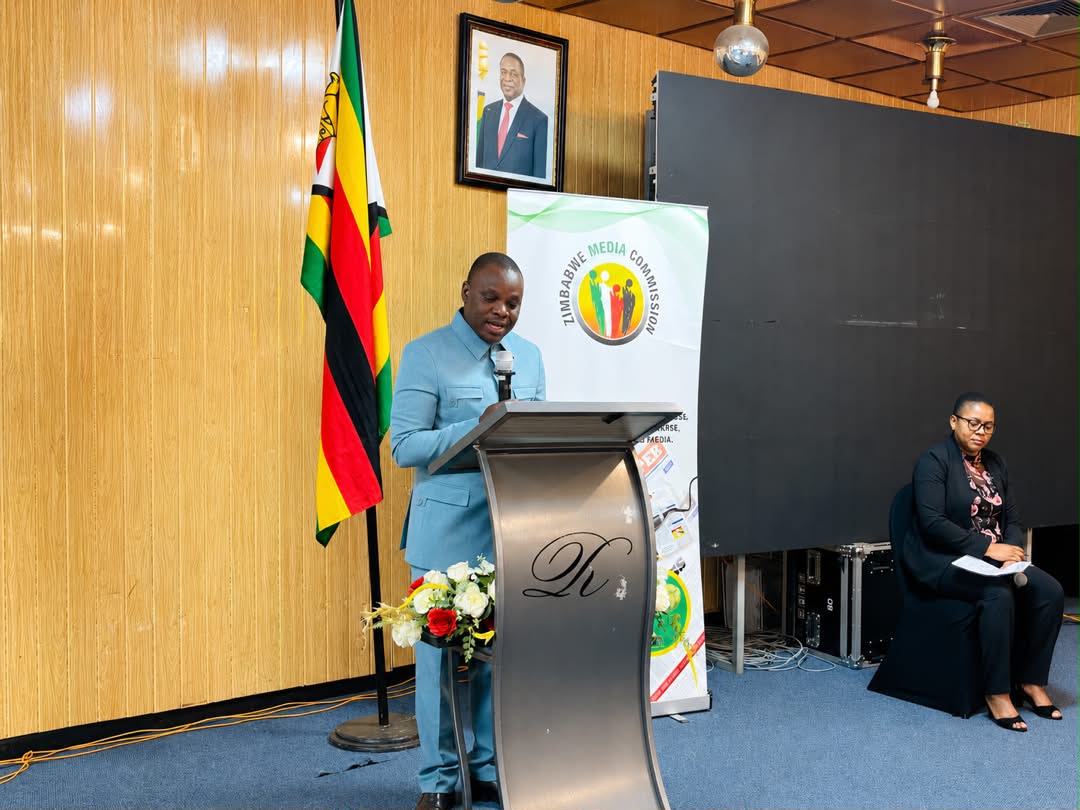
Gibson Mhaka in Harare
THE Zimbabwe Media Commission (ZMC) has intensified efforts to improve the quality of climate change reporting by validating a draft Climate Change Reporting Manual that is expected to become the national reference guide for journalists and media institutions.
Speaking during the validation workshop, ZMC Executive Secretary Mr Godwin Phiri said the manual was developed through support from the European Union Commission to strengthen climate literacy in the country’s media sector.
“It is against this background that the European Union Commission initiated the development of the draft Climate Change Reporting Manual,” said Mr Phiri.
“The manual is intended to serve as a practical resource for journalists, editors, planners and media institutions.
“It seeks to strengthen climate literacy within the media sector and provide guidance on key aspects of climate reporting, including climate science, policy and governance, impacts and adaptation, storytelling techniques, sourcing, climate finance, ethics and professional responsibility.”
Mr Phiri said the validation workshop was a critical stage in producing a practical and relevant document that would improve climate journalism in Zimbabwe.
“The validation process provides us with an opportunity to draw on the collective wisdom and experience present in this room to ensure that the final manual is comprehensive, accurate, practical and responsive to the realities faced by media institutions in Zimbabwe,” he said.
He said participants were expected to critically assess whether the draft adequately addressed the knowledge and practical needs of journalists reporting on climate change.
Mr Phiri said stakeholders would also identify gaps, inconsistencies and areas requiring clarification to ensure the manual remained relevant and effective.
“We want to gather expert input and recommendations from all stakeholders. Your insights will help us enrich the manual and ensure that it reflects current scientific knowledge, policy developments, best practices and emerging climate challenges,” he said.
Mr Phiri said another key objective was to build consensus on the proposed amendments before the manual is adopted as Zimbabwe’s national reference resource for climate change reporting.
He stressed that effective climate communication required strong collaboration among the media, Government institutions, academia, civil society organisations, development partners and local communities.
“As we deliberate today, let us remain guided by our common goal of enhancing the quality, accuracy and impact of climate change reporting in Zimbabwe.
“The outcome of this workshop will not only shape the final manual but will also contribute to building a more resilient and informed society,” he said.
Mr Phiri challenged participants to openly critique the draft document to ensure the final product meets the needs of the media sector.
“We are inviting participants here to please, where necessary, tear apart our manual,” he said.