Online Reporter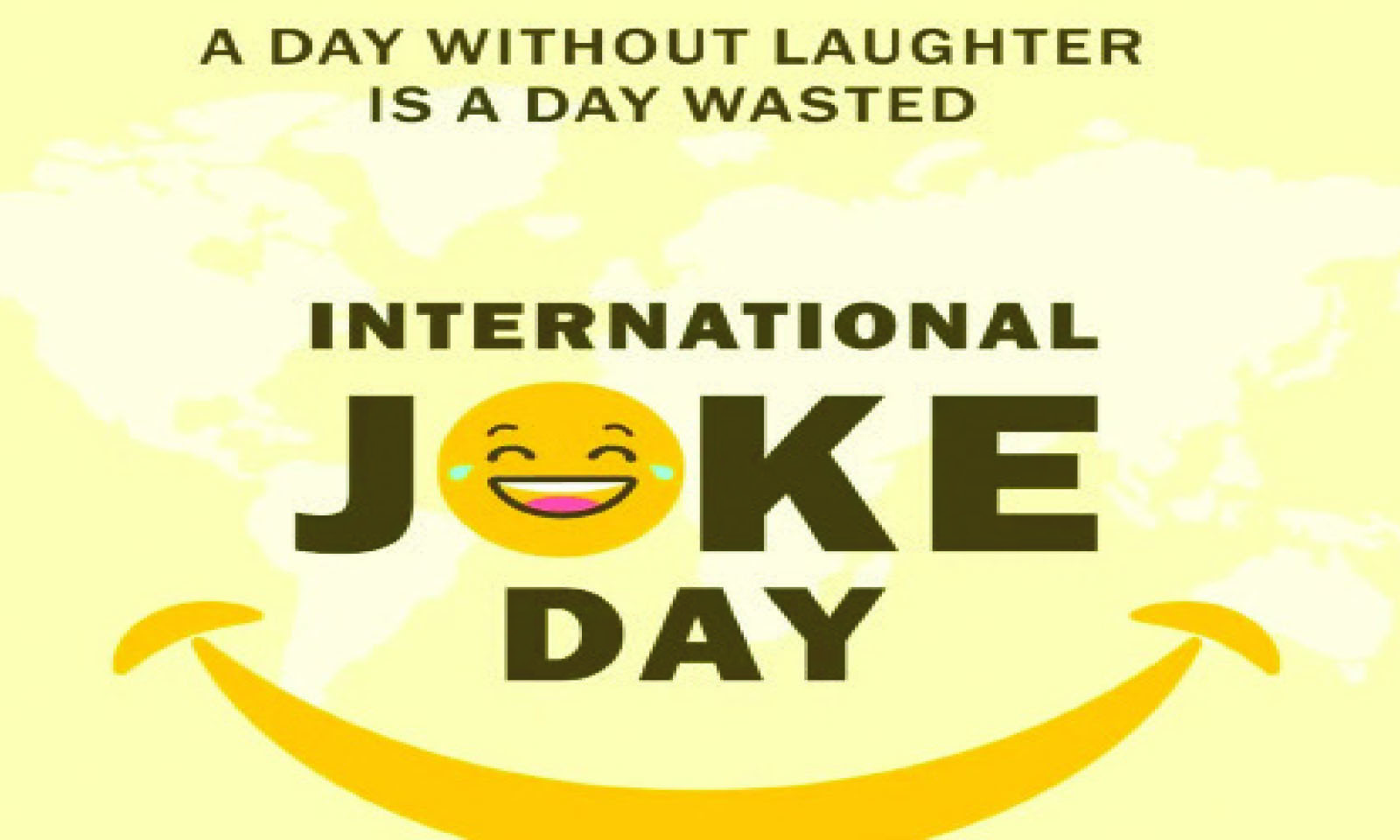
Fadzayi Maposah
Correspondent
There seems to be something to commemorate every day. Some commemorations we may not know about because they do not relate to our lives.
On Tuesday morning, I worked from home while I was preparing to travel with some colleagues. There are many advantages to working from home. One is that you can actually work and type on the computer while in the morning gown. Should one request for an online meeting, I just throw off the gown and wear a shirt or blouse instead of the pyjama top or nightdress! While in partial sleep wear, I articulate work issues. Since one has to go the extra mile, I do my best!
The other advantage of working from home is befriending the radio. I love working with music in the background. When at home, at times I opt to be loud. I am mature now, during my youthful years, I was very loud and even the small radio that I had would be at full volume! When I see young people playing loud music, I ask them to reduce the volume, but still understand that it is a phase that will pass. Even in my mature years, there are days that I reach for the volume knob and turn it up!
As I listened to the radio, I learnt that it was International Reggae Day. As I worked, I hummed to the music. Most of the music took me down memory lane. I read somewhere that there are songs that take us years back and I totally agree.
Reggae was a popular genre when I was growing up and the accompanying dances ensured that my peers and I had fun. I had fun working from home on reggae day and by the time my colleagues came to pick me up, I had many songs in my head.
I also discovered that the same day was International Jokes Day. People love jokes, especially clean ones that do not leave anyone embarrassed. There are some people who have bags full of jokes and will leave you laughing. At times when we see such people we smile remembering the jokes that they told us in the past.
Then there are those who have dirty jokes such that when they open their mouths, we cringe, fearing what will be said.
Laughter is good medicine.
The trick when sharing a joke is to observe the people listening. If you share the joke and you are the only one laughing, then either you missed the humour or it may not have gone down well with the audience.
There are some jokes that pregnant women cannot take. These include how women almost lose their mind in labour as they try to shed off the “wheel barrow” that they will be pushing.
Some people when explaining the level of pain proceed to act how the women behave. As far as I am concerned, it is making fun of an individual when one is most vulnerable. There are some circumstances, no matter how a person behaves, that should not be made public. It is about treating a person with dignity.
Pregnancy on its own is complicated and how one carries it through should not be treated as a joke, and I am sure that even the jokes that are considered funny at times do not apply. Pregnancy is not a laughing matter, labour and delivery are even worse.
I remember being scared prior labour because of what I had been told. A friend had told me that it was like sitting on red hot coal (up to now, I do not understand why she used that example).
Then my relatives encouraged me never to cry and scream, and they warned me that if that happened, nurses attending to me would not like it at all and that once people knew the person behind the cries and the screams, I would become a laughing stock.
Pain is pain. Different people tolerate pain differently, but that is not to say that they do not feel it. Just as every song has a story to tell, each one of us has a story to tell, and when we share our stories, those we tell should not take it as a joke .
I have come to realise that inside each one of us there are songs we carry that remind us of certain times, people and places. May the reminders be happy ones. It may not be reggae songs, but from another genre. It could be rhumba or sungura. Are there commemorations for these genres?
Next week, World Population Day will be commemorated under the theme, “Empowering young people to create the families they want in a fair and hopeful world”.
This reaffirms the promise of the 1994 International Conference on Population and Development: that every person has the right to make informed choices about their lives and futures.
Young people need to be supported to make informed choices, and it is a serious matter.