Online Reporter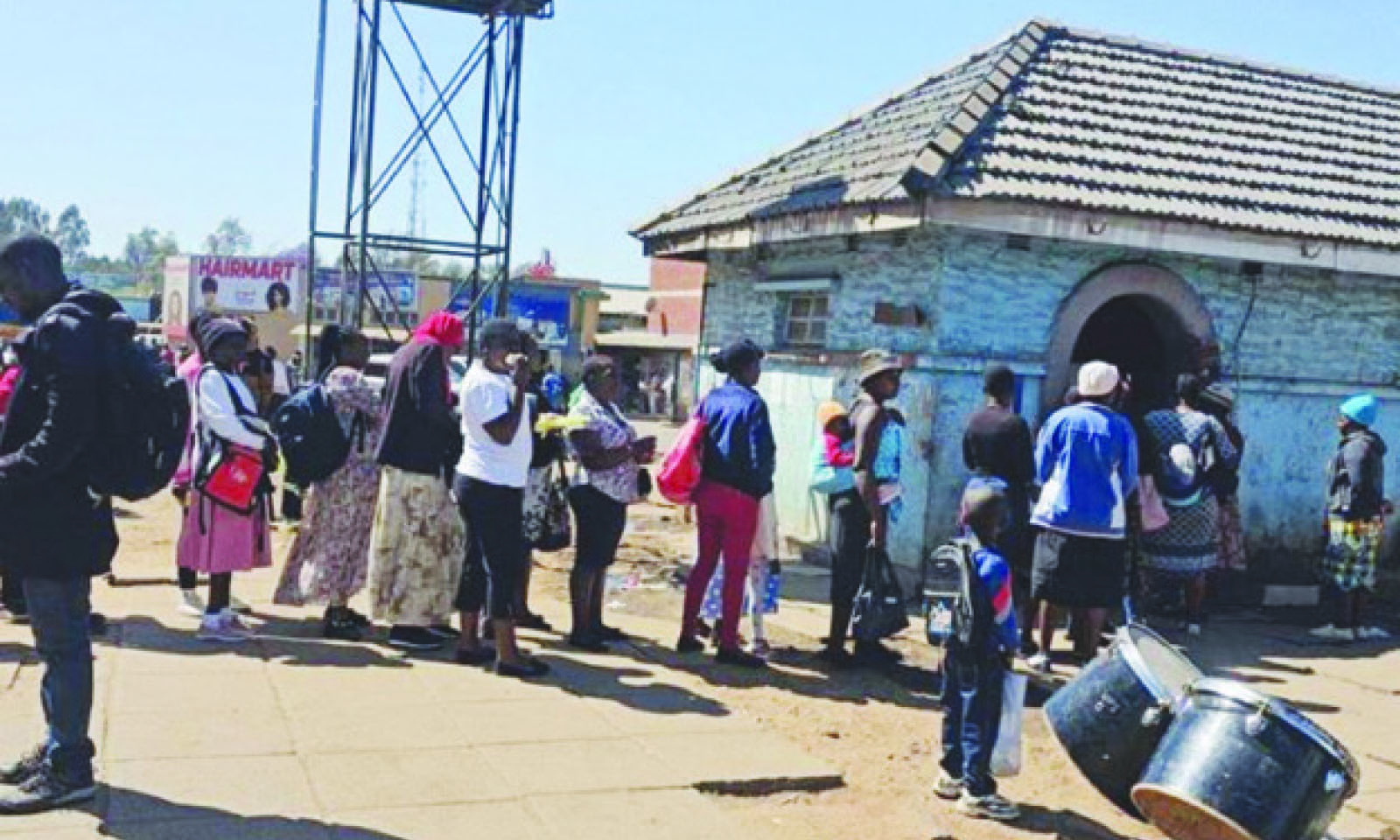
Ivan Zhakata
Check Point Desk
Public toilets in the capital city, meant to be a free basic service, continue to be a cash cow for some Harare City Council cleaners.
Despite continued complaints by residents over the issue, the problem remains.
Investigations by Check Point revealed that the cleaners are pocketing an average of US$30 a day from desperate users by forcing them to pay for access.
Despite clear policy that public toilets in Harare’s central business district (CBD) and across the city are free to use, a hidden “pay-to-pee” scheme has continued.
Only the basement toilet facility at the intersection of First Street and Jason Moyo is officially designated as a pay toilet.
Last year, the Harare City council said it was working with the Zimbabwe Republic Police (ZRP) to investigate and prosecute its workers who are charging the public to use the toilets.
An investigation conducted over several days revealed that the unofficial toilet toll system at several municipal rest rooms across the CBD, including those in Harare Gardens, Africa Unity Square and at Copacabana Terminus, Market Square Terminus and Julius Nyerere Way, is continuing unabated.
“We are told not to charge, but if you do not make people pay, the place gets overwhelmed and dirty,” admitted one toilet cleaner at Market Square, who asked not to be named for fear of reprisal.
“Most people do not complain. They just pay and go.”
Another attendant at the Copacabana Terminus was boastful.
“On a good day I make between US$25 and US$35. People would rather just pay than walk across town to find a free one.”
Users are typically charged between US$0,50 and US$1 per visit.
In many instances, they are even denied entry unless they pay up front.
“I just wanted to relieve myself after a long bus ride,” said Mrs Memory Chikwava from Murewa.
“The lady at the door said I had to pay a dollar or look elsewhere. I thought these were public toilets.”
Many residents feel the practice is exploitative, especially given the city’s worsening sanitation challenges and growing informal sector.
“This is daylight robbery,” said a vendor, Mr James Marume near Copacabana.
“Council is doing nothing while people are being fleeced for using what should be free.”
The “pay-to-pee” scheme likely affects vulnerable populations more.
“For women and girls, the lack of accessible free sanitation increases risks of urinary tract infections and limits mobility in the CBD”, said a health worker with a local non-governmental organisation.
Zimbabwe, as a United Nations member state, is committed to achieving the Sustainable Development Goals (SDGs) by 2030.
SDG 6: Clean Water and Sanitation obligates the country to ensure availability and sustainable management of water and sanitation for all.
Asked for comment, Harare City Council spokesperson Mr Stanley Gama said it was a criminal offence to charge members of the public for using municipal toilets.
“Public toilets are a free service to the people. It is a criminal offence if they (toilet cleaners) are doing that and we urge residents to report such cases to the City of Harare,” he said.
He said disciplinary measures would be taken against any workers caught soliciting money from the public.
But, critics argued that the Council has turned a blind eye to the rot for too long.
“Council knows what is happening,” said a former employee familiar with city operations.
“It has been going on for years. Cleaners are rarely supervised and in some cases senior officials benefit from the informal revenue.”
While some cleaners said they use the money to supplement their salaries, the ethics of monetising basic services remain questionable.
“I do not want to do this forever,” said a young attendant at Julius Nyerere Way.
“But, how do you survive on US$80 a month?”
As Harare continues to grapple with budget constraints and sanitation failures, the toilet toll scheme is just one more symptom of a system where public service delivery has become a private hustle.
While Council authorities have long pledged to investigate and restore order, for now, those in urgent need of a toilet break may still need to reach for their wallets.