Chronicle Editor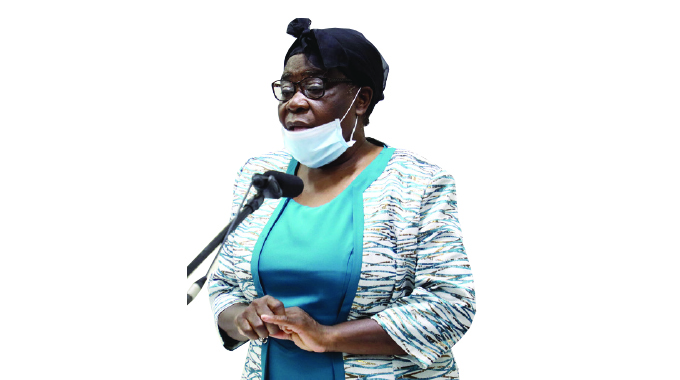
Nqobile Tshili, Chronicle Reporter
THE National Peace and Reconciliation Commission (NPRC) has resumed community consultation meetings to address the issue of Gukurahundi among others after its programmes had been hit by Covid-19 pandemic.
Before the outbreak of Covid-19, NPRC had lined up several programmes but the outbreak of the pandemic restricted movement of people due to lockdowns and the commission consequently shelved some of its programmes.
Government’s relaxation of lockdown measures has seen the commission resuming meetings with communities.
Last week, NPRC commissioners held a meeting with the Bulawayo Provincial Peace Committee as part of shaping the way forward on peace building processes, including addressing the Gukurahundi issue.
A provincial peace committee consists of various players including political parties, academia, religious groups, security services, youths and people living with disabilities who have joined forces to address conflicts in the community.
Bulawayo Provincial Affairs and Devolution Minister Judith Ncube was the guest speaker during the event.
In an interview on the sidelines of the meeting, NPRC vice chairperson Lilian Chigwedere said kickstarting the dialogue processes is aimed at coming up with ways of tackling Gukurahundi among other conflicts.
The commission has declared Gukurahundi the top conflict that it seeks to address.
President Mnangagwa is already engaging chiefs and civil society organisations to address Gukurahundi saying there is a need for the country to address its dark past.
“As a commission when Covid-19 came we had lined out a number of programmes which were affected by the pandemic. And this dialogue that we are having now is the beginning of the process and everything else that is going to come will be based on these preventive dialogues,” said Comm Chigwedere.
“Gukurahundi is part of the preventive dialogues that we are tackling and in terms of where we are now. We have new commissioners and by coming here today we are trying to make sure we are on the same page so that we can resume our programmes.
“The programmes can only be lined up after these preventive dialogues have been conducted. As we consult, as we meet with people and also the new commissioners, meet the people then we can have a way forward.”
She said while the pandemic has limited the activities of the commission, some of its contributions are being adopted by Government.
Comm Chigwedere said the public should be patient with the commission as peace building is a process.
“A peace process has no time limit and a peace process has many other intermediate steps to be taken. At the moment, I cannot give you a timeline or anything (about how we are rolling our programmes) but I think you need to be also aware that when the commission came, it took up a lot of issues related to that (Gukurahundi). They were recommendations that were made and some of the recommendations, I want to believe that the respective authority is implementing them,” said Comm Chigwedere.
“There were issues of birth certificates and all those issues, the commission did not sit on those issues, we took them up for implementation by relevant authorities and I’m that sure you are aware that something is being done. And that is a process, peace building is a process, things don’t just happen at once.”
Addressing delegates, Comm Chigwedere said the Covid-19 pandemic has become a source of conflict where the marginalised and the underprivileged are among the worst affected.
She said peace committees should take an active role in building sustainable peace in communities.
“People caught up in conflict are especially vulnerable in terms of lack of access to healthcare, socio-political rights as well as livelihoods support. As peace committees it is your role to be observant and intervene whenever and wherever possible,” said Comm Chigwedere.
“The pandemic has also been accompanied by a surge in stigma, discrimination, unresolved disputes and hatred, which only cost more lives instead of saving them. Covid-19 has also made Zimbabweans more aware of the need to come up with measures to address conflicts at a local level hence the emphasis on the preventative dialogues.”
She said preventive dialogues are necessary especially as the country moves towards the 2023 harmonised elections where incidents of political violence may occur.
Comm Chigwedere said there is a need to come up with strategies to curb electoral violence while promoting social cohesion.
Delivering her keynote address, Minister Ncube implored the commission to be more inclusive in its peace building processes. She said some social groups had not been included in the provincial peace committee structures.
The Minister said the peace building initiative is important for national development.
“This is also consistent with the major thrust of the National Development Strategy NDS 1 which seeks to promote inclusive dialogue and tolerance among citizens, promote peace building initiatives among communities and strengthen citizens engagement through establishment of local peace committees such as the provincial and district peace committees which I am reliably informed that their establishment is also work on the to-do list of the commission,” she said.
Minister Ncube said it was pleasing to note that Government is capacitating the NPRC with both financial and human capital to execute its mandate.
“The achievement of peace and harmony among us is a key enabler for the attainment of the country’s vision 2030 of becoming an upper middle-income economy by 2030. It goes without saying that peace and tranquility are cornerstones of achieving this vision,” said Minister Ncube.
“This is why NDS1 is emphasising on enhancing social cohesion and promoting peace as part of the governance reforms. If we continue to uphold the principles of independence, inclusivity, diversity and totality, constitutionalism, ubuntu, local ownership and formulating strategic partnerships and linkages we will definitely achieve our socio-economic dreams and aspirations as a nation.” — @nqotshili


 Online Reporter