Chronicle Editor
Sikhulekelani Moyo
THE National Railways of Zimbabwe (NRZ) is developing a US$2,4 million concrete manufacturing plant and is actively seeking investors and partnerships for the project.
NRZ’s Chief Strategy and Planning Manager, Mr Jacob Chionyere, announced this initiative at the recent Bulawayo Investment Indaba, where NRZ appealed to investors to consider participating in the project.
“This project, which we are embarking on as NRZ, will assist us in covering our existing and proposed rail routes that are being operated by NRZ, as well as those that have the potential for our investors to join us in operationalising them, thereby creating demand for concrete sleepers,” said Mr Chionyere.
The project will produce pre-stressed monolithic concrete sleepers and rail products, with an anticipated annual factory output of 60 000 sleepers. It is projected to generate approximately US$4,6 million in revenue, with a payback period of six months.
Mr Chionyere highlighted the existing market, noting that the National Railways of Zimbabwe (NRZ) is expected to purchase 60 percent of the factory’s output.
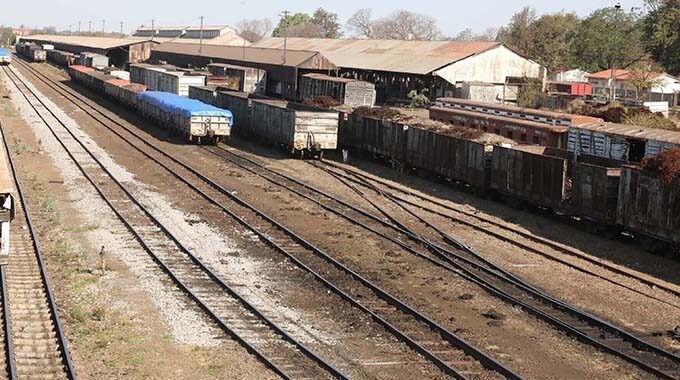
The national railway operator is among nearly 30 state-owned companies, whose assets were transferred to capitalise the Mutapa Investment Fund. NRZ has been struggling with declining revenue due to a significant drop in business volumes from 12 million tonnes annually in the 1990s to current levels of 2,3 million tonnes. This decline is largely attributed to outdated infrastructure and a deteriorating fleet.
Zimbabwe’s rail network is not only hindering NRZ’s operations but also poses a significant challenge to businesses across the country. The inefficiencies of the Zimbabwean railway system are creating a ripple effect, placing considerable strain on the country’s road network.
With a decline in freight being transported by rail, there has been a corresponding rise in the number of heavy goods vehicles using the roads.
The increased traffic load can lead to premature road degradation, necessitating more frequent and expensive repairs.
The compromised state of roads not only increases transportation costs for businesses but also disrupts travel and commerce, hindering overall economic activity.
Mr Chionyere said establishing the sleeper plant would help reduce costs for the entity, as most of the sleepers are currently being imported. He added that local suppliers were demanding payment in hard currency.
“If we have our plant, we can take advantage of our Nalatale Quarter plant that we are running to produce quarry aggregation, to supply the production of concrete sleepers. From the 60 000 we are assuming to produce, NRZ will take about 60 percent, with the balance supplied to other rail entities around us,” he said.
He said that having their plant would also help improve the quality of the sleepers, as they would be working with their engineers according to their specifications. The plant would require approximately US$2,4 million, with some of the requirements being fulfilled internally.


 Online Reporter