admin
admininformal sector.
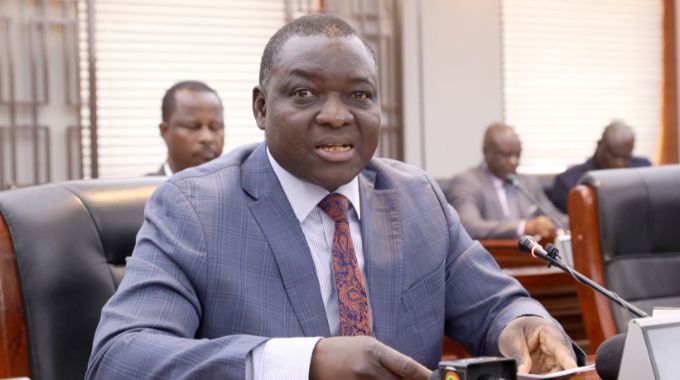
Mr Matiza made the remarks at a recent session of the International Labour Organisation in Geneva, Switzerland.
He said the extensive size of the informal sector in many African countries necessitated the need for the extension of social protection to constituents of this sector.
“The scope of social security coverage in Africa is largely confined to a comparatively small formal sector and the effects of the HIV/Aids pandemic have slowed economic growth and created an additional burden on social protection systems and services.
“A lack of comprehensive national health insurance programmes has also impacted on the social well-being of populations.
“The global financial crisis has exacerbated the situation, with large segments of the population losing their sources of income,” he said.
He, however, noted that some countries in the region had deployed social protection scheme funds to provide working capital for affected companies, create employment and help steer economies out of the crisis.
Analysts, however, contend that any horizontal extension of social protection should be accompanied by a vertical dimension of social security coverage that would provide higher levels of income security and access to health care.
The presentation by Mr Matiza was part of a paper drawn up by NSSA on the strategic objective of social protection and was subsequently adopted by Sadc as expressing the region’s position at the meeting.
At the same event, Mr Matiza represented the country on the conference’s Committee for the Recurrent Discussion on Social Protection, where he was appointed its rapporteur, with the task of reviewing the committee’s report and presenting it to the conference plenary session for adoption.
The committee was tasked with discussing the role of social security in social and economic development, policies extending social security coverage and the affordability and financing of social security.
Other topics include governance of social security and the role of standards in social security, as well as the role that the International Labour Office could play in helping implement its recommendations.
The International Labour Conference, which is held annually by the ILO, was attended by more than 4 000 delegates, representing governments, employers and employees from all over the world.
Speaking on his return recently, NSSA boss reiterated the need for broadening of social security services.
“In developed countries the informal sector is small and the favoured means of extending social protection to those in this sector is to bring these informal businesses into the formal sector.
“However, we felt it was important to try to find ways of extending social protection to the informal sector, given its size in many African countries, rather than waiting until informal businesses could be brought into the formal sector,” said Mr Matiza.


Online Reporter
- Herald
- July 29, 2026
- 68 views
IMF impressed by Zim economy . . . meets all end-March targets . . . rating boon for economy
Nqobile Bhebhe-Zimpapers Business Hub ZIMBABWE has reached another significant milestone in its economic reform and international re-engagement drive after the International Monetary Fund (IMF) Management approved the completion of the…