Online Reporter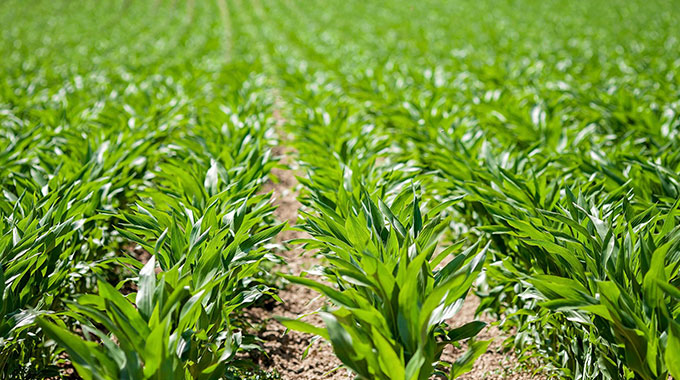
Raymond Jaravaza
WHAT was once a mere place of confinement is gradually redefining its role, as Zimbabwe Prisons and Correctional Service turns Ntabazinduna Satellite Prison into a hub of rehabilitation, productivity and hope.
For inmate Prince Mlandu, serving an 18-month sentence for theft, prison has become an unlikely turning point.
Behind the walls of the satellite facility, he has discovered purpose, not in punishment, but in the soil beneath his feet.
Classified as a low-risk B Class inmate, Mlandu spends his days in the fields alongside fellow prisoners, tending crops and caring for livestock as part of ZPCS’s rehabilitation programme anchored on agriculture.
“In the last year I have been here, I have learnt that the food we buy in shops can be produced even in a place like this.
“All it takes is dedication and hard work. I now consider myself a farmer because I have been part of the team that planted and nurtured the maize that will feed others,” he said.
For Mlandu and many others, Ntabazinduna is no longer just a correctional facility. It is a place where mistakes are confronted, skills are learned and futures are rebuilt.
Ntabazinduna Prison, a satellite of Bulawayo Prison, houses inmates serving shorter sentences, with a deliberate focus on equipping them with practical, income-generating skills before release.
From vast maize fields nearing harvest to thriving vegetable gardens, piggery, poultry runs and even fish farming projects, the institution has evolved into a model of agricultural self-sufficiency.
The produce does not only feed inmates within the facility but is also distributed to other prisons across the region. Surplus harvests are sold in Bulawayo, generating revenue to sustain operations and reduce reliance on Treasury.
The impact is twofold, that is, enhancing food security within correctional facilities while simultaneously easing the financial burden on the Government.
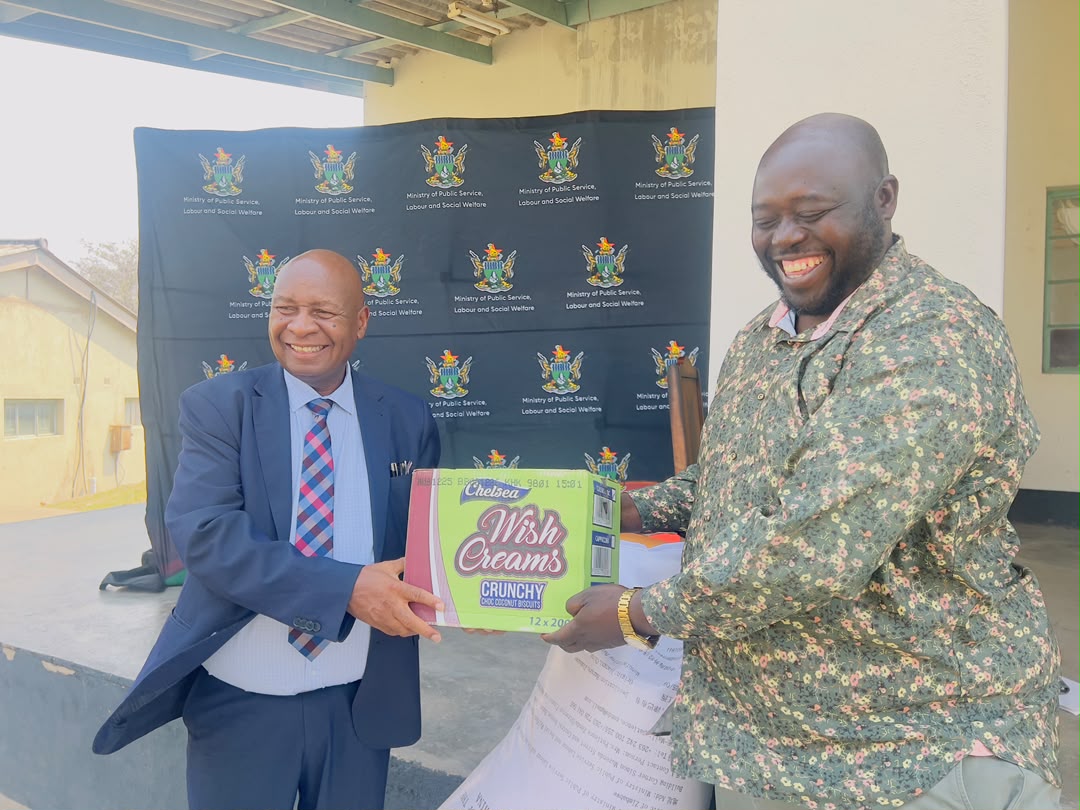
During a field day yesterday, local farmers, seed companies, community members and senior prison officials converged at the institution to witness what has become a success story.
ZPCS rehabilitation coordinator for Matabeleland North, Principal Correctional Officer Katswairo Shingirai, said agriculture lies at the heart of inmate transformation.
“When an inmate walks through the Ntabazinduna Prison gates we do not see them as an offender who wronged society but someone that have been taught new skills that will forever change their lives,” he said.
“We have a number of rehabilitation projects that we teach inmates but agriculture sits at the core of our rehabilitation strategy.”
Principal Correctional Officer Katswairo added that such programmes significantly reduce the likelihood of reoffending, as former inmates leave prison equipped to earn a living.
“Through farming, we are able to transform inmates into economically active members of society using the skills that they would have learnt while in prison,” he said.
Principal Correctional Officer Katswairo also implored seed companies to assist inmates released after serving their sentences with inputs and farming equipment to jump-start their own income-generating projects.
Umguza District agricultural extension officer, Mr Thulani Ndlovu, commended the initiative, saying it aligns with broader national efforts to promote climate-smart farming.
He urged farmers to grow crops suited to their regions. In Matabeleland, small grains are ideal due to low rainfall, while maize thrives in regions with higher rainfall.
Mr Ndlovu said the prison’s productivity is not only commendable but commercially viable, with maize deliveries to the Grain Marketing Board (GMB) contributing meaningful revenue.
“ZPCS is doing a wonderful job here at Ntabazinduna Prison by utilising its land and producing excess food that will be sold to the Grain Marketing Board (GMB).
“A tonne of maize is currently selling at US$363 at GMB and the crop that will be harvested can contribute significant revenue for ZPCS,” said Mr Ndlovu.