

 Online Reporter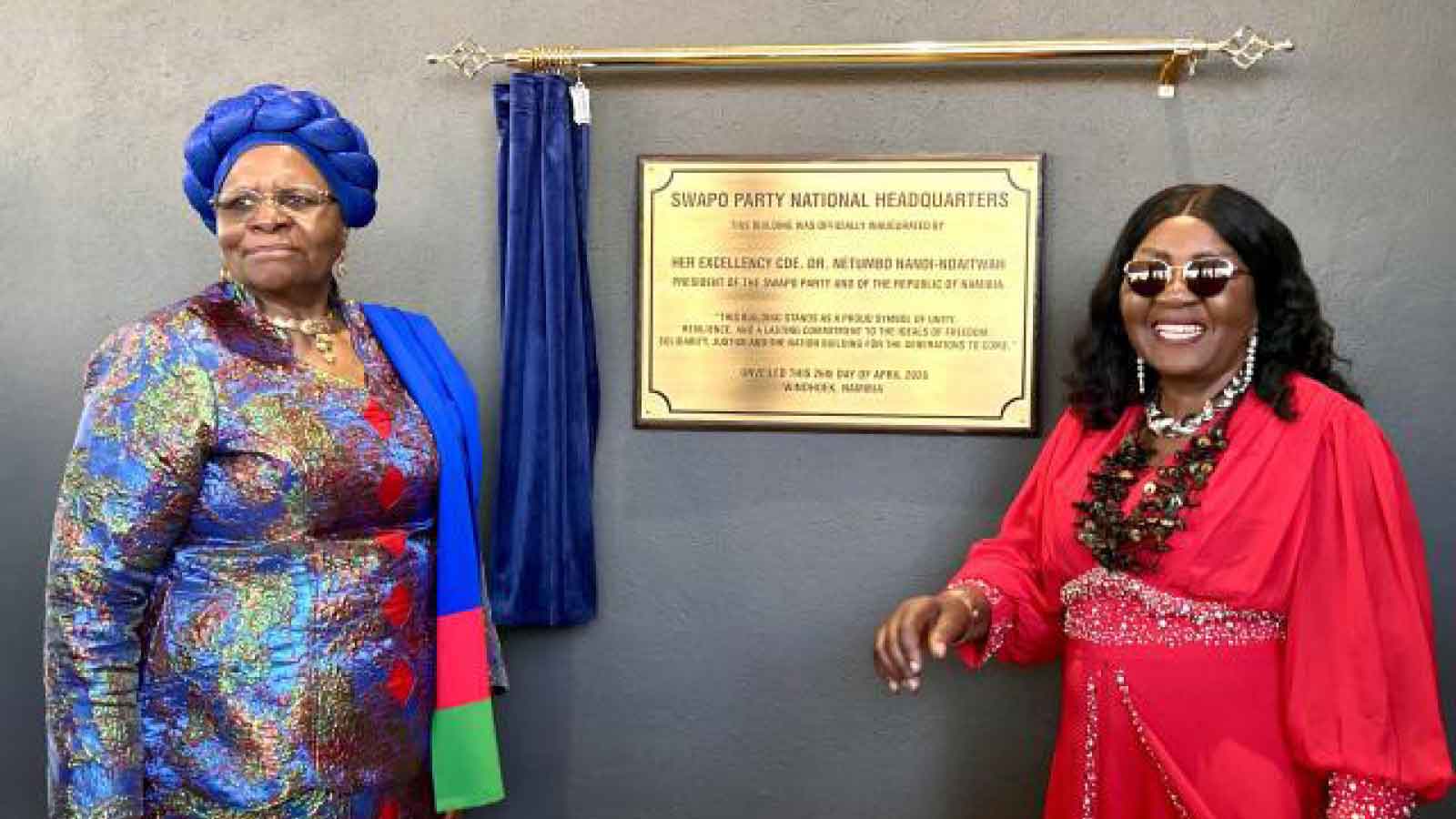
Richard Muponde
Zimpapers Politics Hub
THE inauguration of the new headquarters of SWAPO in Windhoek is not merely a national milestone for Namibia, but a moment deeply embedded in the shared liberation history of southern Africa.
The ideological and military kinship between SWAPO and ZANU PF in Zimbabwe dates back to the anti-colonial resistance period, when both movements confronted settler regimes and apartheid structures through coordinated regional solidarity.
During the liberation struggles, ZIPRA and ZANLA forces from Zimbabwe operated in tandem with SWAPO’s PLAN fighters, often sharing training camps, logistical support, and ideological grounding.
The Frontline States, anchored by countries like Zambia, Tanzania and Angola became crucibles of revolutionary cooperation.
It is from this historical matrix that the enduring political and diplomatic relationship between SWAPO and ZANU PF emerges, now reflected symbolically in their respective headquarters.
A Monument to Memory and Power
The newly unveiled eight-storey SWAPO headquarters, housing 150 offices, a congress hall for 1 500 delegates, a media centre, and the “Sam Nujoma Square” amphitheatre, stands as a physical embodiment of institutional consolidation.
Officially inaugurated by President Netumbo Nandi-Ndaitwah, the building coincided with the party’s 66th anniversary, merging celebration with solemn remembrance.
In her keynote address, President Nandi-Ndaitwah underscored that the inauguration was not only a celebration of infrastructure but a reaffirmation of SWAPO’s historic role in the liberation struggle, which combined political, diplomatic, and armed resistance against apartheid.
This framing situates the building within a broader narrative of sacrifice and continuity, elevating it beyond a functional headquarters into a shrine of national memory.
The cost, exceeding N$900 million, signals not extravagance but commitment, an investment in political permanence and ideological clarity.
Much like liberation movements that transitioned into governing parties, SWAPO seeks to anchor its legitimacy in both history and visibility.
Harare’s Counterpart: The Zanu PF Building
This development finds a striking parallel in the iconic ZANU PF Building in Harare. Completed in 1990, shortly after Zimbabwe’s independence decade, the 15-storey structure became a defining feature of the capital’s skyline.
Built through support from the Chinese Communist Party, it symbolised not only political power but international solidarity.
Often referred to as the “Shake Shake” building due to its resemblance to the popular opaque beer container, the headquarters houses the party’s Politburo offices, archives of the liberation war, and key administrative functions. Its archives preserve records from the Rhodesian Bush War, making it both a centre of governance and a repository of revolutionary history.
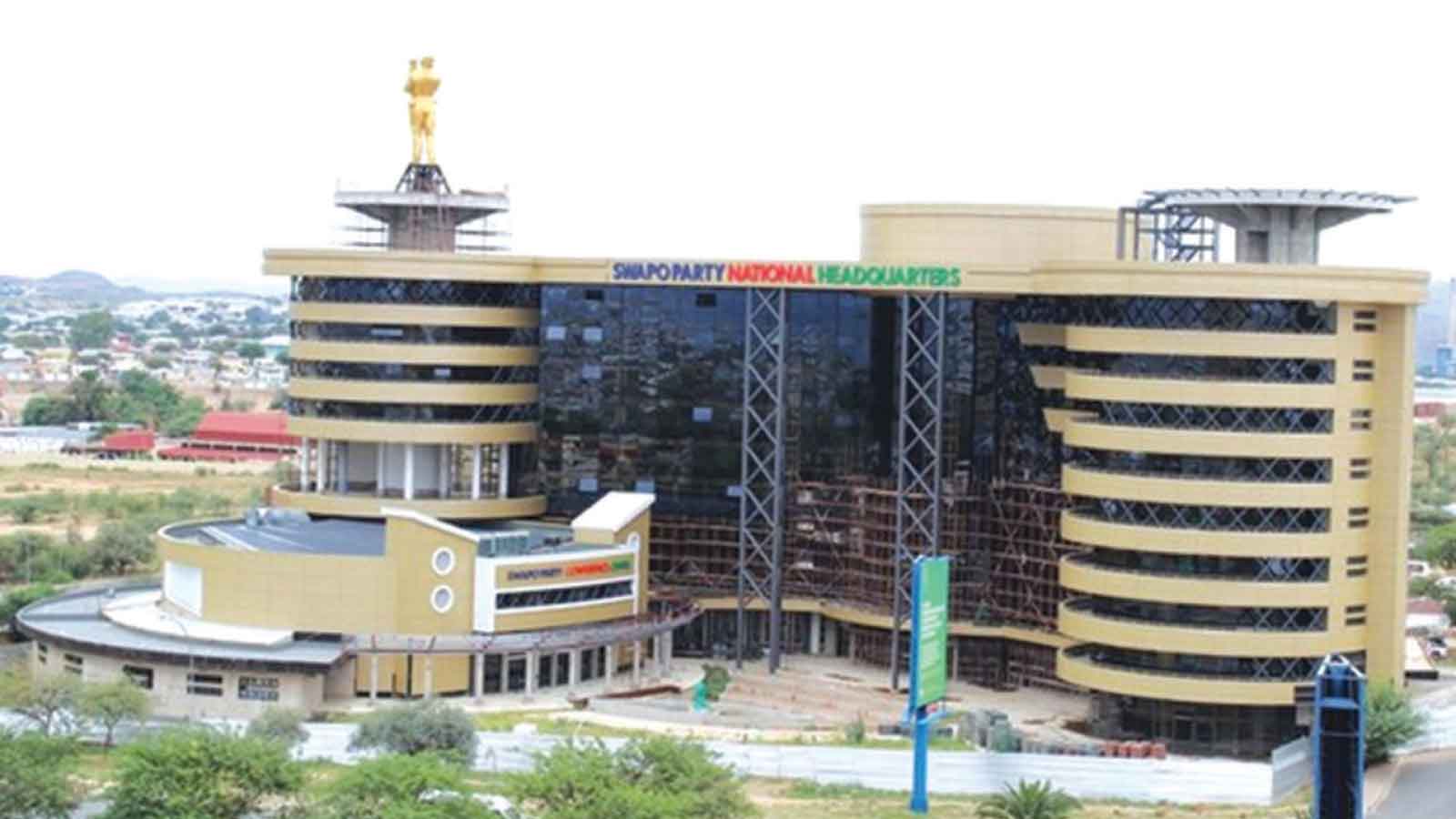
Like SWAPO’s new headquarters, the ZANU PF building transcends architecture. It is a monument to the triumph of indigenous rule, a daily reminder of the cost of independence, and a centre from which ideological direction continues to flow.
Architecture as Ideology
Both buildings reveal how liberation movements institutionalise memory through physical space.
The SWAPO headquarters, with its amphitheatre named after founding president Sam Nujoma, mirrors ZANU PF’s archival preservation of the liberation struggle.
These are not neutral office blocks; they are carefully curated environments where history is preserved, narrated, and projected into the future.
In this sense, architecture becomes ideology made visible. The scale, design, and centrality of these buildings communicate authority, continuity, and permanence.
They also serve as rallying points, spaces where party faithful gather, decisions are made, and national narratives are reinforced.
Symbolism in Attire: The Politics of the Scarf
An intriguing dimension of the SWAPO inauguration lies in the visual symbolism embodied by President Nandi-Ndaitwah’s attire, particularly her scarf.
In liberation politics, clothing often carries coded messages of identity, allegiance, and continuity.
Her scarf, worn prominently during the inauguration, can be interpreted as an extension of SWAPO’s liberation aesthetics, rooted in struggle-era symbolism yet adapted for contemporary leadership.
This invites comparison with President Mnangagwa, whose signature scarf has become an enduring emblem since the advent of Zimbabwe’s Second Republic in 2017.
His scarf, often adorned with national colours, operates as a political brand, projecting accessibility, continuity, and a break from the past while remaining anchored in liberation credentials.
Both leaders, through these sartorial choices, reinforce the visual language of liberation politics. The scarf becomes more than an accessory; it is a wearable manifesto, linking past to present governance.
Continuity and Generational Transition
The unveiling of SWAPO’s headquarters under President Nandi-Ndaitwah also signals generational transition within liberation movements. As one of the few female leaders to emerge from the liberation struggle generation, her presidency embodies both continuity and evolution.
Similarly, ZANU PF’s leadership under President Mnangagwa reflects a recalibration of liberation ideals within a modern governance framework.
The Second Republic has sought to reassert economic development, engagement, and reform, while maintaining the foundational ethos of the liberation struggle.
The headquarters in both Windhoek and Harare thus function as anchors during this transition, reminding both leaders and citizens that while leadership may evolve, the ideological core remains intact.
Regional Solidarity in Contemporary Context
The relationship between Namibia and Zimbabwe continues to be shaped by this shared heritage. Bilateral cooperation spans political, economic, and cultural domains, with both countries often aligning on regional and continental issues within SADC and the African Union.
The parallel existence of these monumental party headquarters reinforces a broader narrative, that liberation movements, now governing entities, continue to draw legitimacy from their historical roles. Their physical headquarters become sites of pilgrimage for party members and symbols of sovereignty for the nation.
Concrete Legacies of Liberation
The inauguration of SWAPO’s new headquarters is a powerful statement of identity, continuity, and ambition. When viewed alongside the ZANU–PF building in Harare, it becomes clear that such structures are not only administrative centres but living monuments to liberation history.
They encapsulate the journey from resistance to governance, from exile camps to executive offices. They remind citizens of sacrifices made, victories won, and responsibilities inherited.
In Windhoek and Harare alike, these towering edifices stand as enduring testaments, that the spirit of liberation, once forged in past, now resides in institutions built to last generations.



