Pauline T Nenerai
Adolescence is often remembered as a season of firsts — first dreams, first friendships, and the first real taste of independence — but it is also a period that carries quiet pressures which many young people in Matabeleland South and across Zimbabwe are navigating without adequate support.
The years between 10 and 19 are marked by rapid physical growth, shifting emotions, and the search for identity. During this time, young people begin to make choices that will shape their education, careers, and relationships.
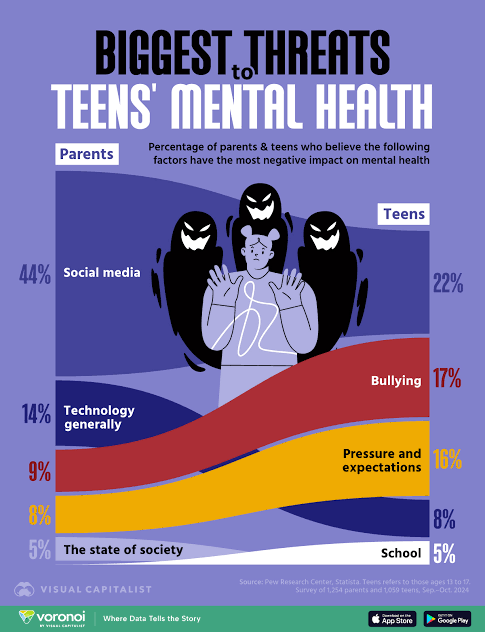
While growth is a natural part of this stage, the weight of academic expectations, economic uncertainty at home, and the constant pull of social media can turn normal challenges into overwhelming stress.
In our communities today, adolescents are contending with issues that previous generations did not face in the same way, including rising school fees and limited job prospects that leave many questioning their future, as well as online spaces that offer connection but also expose them to cyberbullying and unrealistic standards of beauty and success.
To these are added peer pressure, family conflict, substance use, gender-based violence, and grief, all of which can take a heavy toll when there is no safe outlet for expression.
Mental health conditions such as anxiety and depression commonly begin during adolescence, yet they are too often dismissed as moodiness or “just teenage behaviour” by adults who mean well but lack information.
As a result, many young people retreat into silence, their school performance slips, sleep patterns change, and interest in sport, church, or cultural activities fades; in the most serious cases, untreated distress can lead to self-harm.
Parents and caregivers remain the first line of support, and creating a home where children feel heard without fear of criticism can make a lasting difference in how adolescents cope with pressure.
Spending intentional time together, noticing changes in mood or behaviour early, and encouraging open conversations about emotions helps young people to understand that they are valued beyond their grades or achievements.
Schools across Matabeleland South also have a critical role to play beyond delivering the curriculum, because guidance and counselling services, anti-bullying programmes, and life-skills lessons equip learners with practical tools to manage stress and build resilience.
When teachers are trained to recognise warning signs and refer learners to professional help, schools become safe spaces where mental well-being is treated with the same seriousness as physical health.
Community structures, including churches, traditional leaders, youth clubs, and health facilities, must also work to break the stigma that still surrounds mental illness, and seeking help for emotional pain should be regarded in the same way as visiting a clinic for malaria or a wound.
By hosting awareness campaigns and linking families to nurses, social workers, and support groups, local leaders can ensure that adolescents do not have to suffer alone.
Young people themselves can protect their well-being by nurturing healthy friendships, staying active through sport or dance, getting enough rest, limiting excessive time on social media, and avoiding alcohol and drugs that often worsen anxiety and depression.
Most importantly, they must be reminded that asking an elder, teacher, or counsellor for help is an act of strength and not a sign of weakness.
The future of Matabeleland South depends on a generation that is not only educated but also emotionally sound, because resilient young people grow into adults who contribute to families, businesses, and community development.
Investing in adolescent mental health today is therefore an investment in stronger homes, more productive schools, and a province that thrives.
Mental health is not a luxury reserved for a few; it is a necessity for all, and protecting the minds of our adolescents is one of the most important ways we can secure a brighter tomorrow for our families and our nation.