Chronicle Editor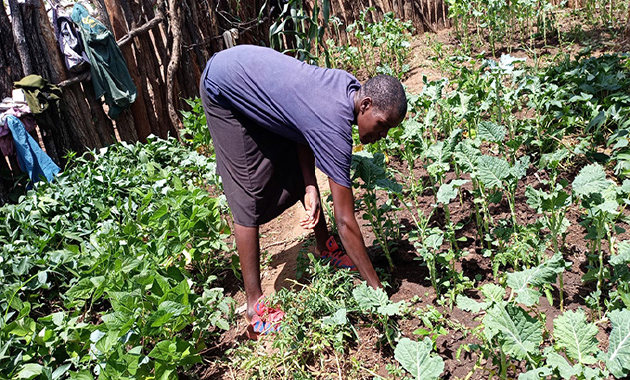
Midlands Bureau
MUTORA Nutritional Garden in Nembudziya, Gokwe North in the Midlands province is changing lives for the previously marginalised villagers who are now earning a decent living through farming.
The project, which is part of the Government’s Agriculture 8.0 model, has seen the community practising diversified projects.
The Ministry of Lands, Agriculture, Fisheries, Water and Rural Development launched the Rural Development 8.0 model which is aimed at eradicating poverty in all its forms, including food and water poverty through an agricultural development-rural industrialisation-rural development — Vision 2030 nexus.
The garden specialises in fisheries and horticultural products and it has solarised boreholes to ensure a continuous power supply.
Located at Mutora Growth Point in Gokwe North, the garden is a source of livelihood for about 21 villagers.
The garden is an initiative of Government in partnership with World Vision. The beneficiaries also have a drier on site where they can dry vegetables to help minimise loss of their produce.
Mrs Lilian Gidiri, one of the nine villagers who are into fish farming said they have been able to farm and sell fish at the nutritional garden.
“We are nine villagers who are into fish farming and we are all very excited about this project created for us by the Government. We are realising good returns from the fish that we sell and our lives have indeed changed for the better,” she said.
Mr Joe Gwafa, one of the 12 greenhouse farmers, said they are growing horticulture products for the local market.
“I am glad that I can now send my children to school and also feed them with high nutritional value from what we get in the garden,” he said.
The Agricultural Advisory and Rural Development Services officer responsible for the nutritional garden, Mr Macdonald Nyamunohe said the nutrition garden is important to the community in terms of food security and nutrition.
“The nutritional garden provides a continuous supply of nutritious food as a relish for beneficiaries. Also, the participants or beneficiaries market their fish and vegetables and obtain cash,” he said.
“So, the project is an income generating one thereby enabling households to pay school fees, buy uniforms, stationery and pay for other household needs.”
Mr Nyamunohe said some of the beneficiaries were people who lost their sources of livelihood at the height of Covid-19.
“This programme has enabled them to start gardening and fishing. Due to current low water tables, borehole watered schemes like the one at the nutritional garden site are sustainable,” he said.
“This area falls under ecological region 4 characterised by a low rainfall pattern hence most villagers buy fresh, dried vegetables from the scheme and that has helped improve food security and nutrition.”
Mr Nyamunohe said the fish pond has 4 000 fish which are also a source of protein.


 Online Reporter