Moffat Mungazi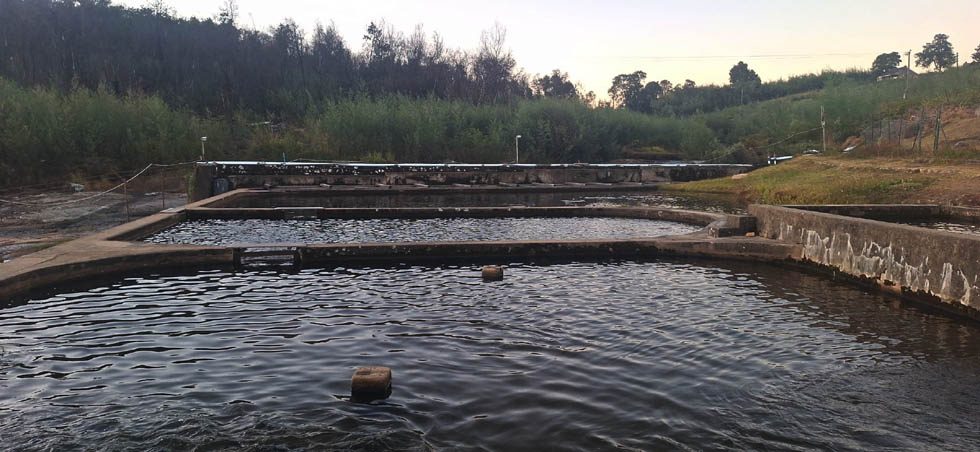
Liberty Dube
Tourism Correspondent
DUE to its favourable climate, and the presence of cool spring waters, Nyanga has become a prime destination for trout fishing.
The Nyanga Trout hatchery, located within the picturesque Nyanga National Park, has, not only become a popular tourist spot, but also a hub for educational experiences.
Visitors from all over come to witness the unique species of trout as they swim, feed, and thrive in the cold and clear waters.
Moreover, the hatchery has grown into an important learning centre, attracting a diverse range of school groups.
Learners from across the country and even those from as far as South Africa and Mozambique, regularly visit for educational trips to gain firsthand knowledge about aquaculture and the life cycle of these special fish.
The hatchery’s commitment to education and conservation has turned it into a vital resource for both tourists and learners alike.
It is among the only trout research centres in Zimbabwe.
Nestled within the stunning Nyanga National Park, the Nyanga Trout Hatchery is set amidst a pristine landscape teeming with abundant wildlife and rich biodiversity.
The park itself is renowned for its tranquil, untamed animals, lush flora, and serene water bodies, making it a natural haven for nature lovers and adventurers alike.
This idyllic setting enhances the hatchery’s appeal, drawing visitors who seek both education and relaxation in a picturesque, unspoiled environment.
The hatchery is more than just a place to learn about the fascinating life cycle of trout, but an immersive experience that offers a unique opportunity to connect with nature.
Surrounded by crystal-clear streams, vibrant forests, and rolling hills, it is a perfect retreat for eco-tourism enthusiasts looking to explore the area’s diverse ecosystems.
Visitors can enjoy tranquil walks along scenic trails, birdwatching, or simply bask in the serenity of the landscape while observing the trout in their natural habitat.
Beyond the hatchery, Nyanga National Park offers a wealth of outdoor activities such as hiking, camping, and fishing, making it an all-encompassing destination for nature lovers.
With its blend of education, adventure, and scenic beauty, the hatchery is undoubtedly one of Zimbabwe’s hidden gems, attracting both local and international tourists who seek a deeper connection with the natural world.
Visiting the hatchery and its surrounding ponds can be made truly beautiful and memorable by incorporating a variety of sensory, educational, and interactive experiences.
It is truly exhilarating to witness fish thriving in their natural aquatic habitat, gracefully swimming and living freely in the cool, clear waters.
Observing their carefree existence as they glide through the streams evokes a sense of tranquility and awe.
The sight of these vibrant and playful fish living harmoniously in their environment serves as a reminder of the delicate balance of nature, offering a profound connection to the beauty and serenity of the natural world.
It is a captivating experience that not only brings joy but also fosters a deeper appreciation for the wonders of aquatic life.
Visitors can take a leisurely stroll along well-maintained trails that wind through the lush surroundings, offering visitors the chance to experience the rich flora and fauna of the area.
Walking through serene forests or along tranquil streams, every step offers an opportunity for peaceful reflection and nature immersion.
The site boasts of well experienced ZimParks guides who can provide fascinating insights into the hatchery’s operation, the life cycle of the trout, and the broader ecosystem of the Nyanga National Park, adding depth and meaning to the visit.
Trout feeding sessions have also become popular as visitors can witness the excitement of the fish as they feed in the cool waters.
This hands-on experience has been educational for children and adults alike, offering a unique, interactive way to learn about aquatic life.
There are surrounding ponds, with their glassy water reflecting the sky and surrounding nature, provide an idyllic setting for quiet contemplation.
Visitors can enjoy a peaceful picnic by the water’s edge, relaxing while listening to the sounds of the forest and the gentle flow of the stream.
The area around the hatchery is home to a wide range of bird species.
With the right time of year, birdwatchers can enjoy spotting rare species and witnessing the unique interaction of wildlife within this diverse ecosystem.
One of ZimParks officers and tour guides, who boasts of more than 30 years in the industry, Mr Shadreck Rufuse said visitors are also fascinated by the ‘Golden Hour’ period which is early morning or late afternoon light, when the sun casts a warm glow over the tranquil ponds and surrounding hills.
“We are nearing the breeding season, which begins in winter. By mid-winter, the fish will start hatching. To ensure that they thrive, the fish are fed with stock feed, providing them with the necessary nutrients to stay healthy. The hatchery attracts many tourists, particularly school groups, who come for educational tours. Buses full of learners often visit, as the hatchery is a key destination for learning.
“The idea of establishing a hatchery in Nyanga National Park was first tested in 1935, and the development of the Nyanga Trout Hatchery began in 1950. Following this, other hatcheries, such as those at Nyakupinga and Claremont at Tsanga Lodge, were established, stemming from research conducted at the Nyanga Trout Hatchery. Trout require fresh, flowing water to survive. Stagnant water is not suitable for them, as it can lead to the death of young fish, such as fingerlings. Additionally, trout are highly sensitive to temperature changes.
“In Nyanga, the maximum temperature typically reaches 27 degrees Celsius, but if it rises to 28 degrees Celsius or 29 degrees Celsius, the fish start showing signs of stress and fatigue,” said Mr Shadreck Rufuse.
He added that the hatchery is diligently protected by security personnel who oversee the entire Nyanga National Park.
Some security staff even stay overnight to ensure the uninterrupted flow of water in the ponds, particularly after heavy rains.
This vigilant protection is crucial to maintaining the health of the trout.
He said one of the key distinguishing features of the trout, unlike other fish, is, its bones do not pierce, making it easier and more enjoyable to eat.
Additionally, the trout has a greater proportion of tender, flavourful flesh compared to other species, such as bream, making it a prized catch for both anglers and food lovers alike.
Even its price can tell, it usually costs between US$13 to US$16 per kilogramme of trout fish.


 Online Reporter